
Phishing: It's Not Just for Pentesters - 2017
Explore effective social engineering awareness programs and learn to create internal phishing simulations to measure and improve organizational security against human-targeted attacks.

Enterprise-Wide Multi-Factor Authentication: Beyond Passwords - 2017
Explore enterprise-wide multi-factor authentication deployment, focusing on passwordless solutions for secure, flexible access across devices and work scenarios. Learn technical challenges and user experience considerations.

Breaking into Security - Career Paths and Strategies
Experienced pentesters share diverse paths to cybersecurity careers, offering insights on certifications, education, networking, and practical skills for aspiring security professionals.

Mobile Security Testing and Penetration Techniques - 2017 Keynote
Insightful keynote address exploring cutting-edge cybersecurity trends, challenges, and innovations in the rapidly evolving digital landscape.
Malware Clustering - Static and Dynamic Behavior Analysis
Explore innovative malware clustering techniques using static and dynamic behavior analysis, machine learning, and similarity search for robust, scalable, and repeatable results.

Responsible Disclosure Preparedness for IoT Security - 2017
Exploring IOT security flaws in garage door systems, from discovery to responsible disclosure. Learn about research techniques and the process of addressing vulnerabilities in connected devices.

Tangled Web: Defense in Deception - 2017
Explore defensive deception strategies for web applications, including tools and techniques to detect, confuse, and corral attackers. Learn to plan, execute, and monitor effective deception in cybersecurity.

The Role of Empathy in Vulnerability Disclosure Practices for Software Vendors - 2017
Explore empathy's role in vulnerability disclosure, focusing on cross-functional collaboration, customer-centric decision-making, and building trust through effective communication in software security.

Detection Is Not Enough - Attack Recovery for Safe and Robust Autonomous Robotic Vehicles
Explore novel frameworks for safe attack response in autonomous robotic vehicles, enabling mission continuation despite malicious interventions through feed-forward control and sensor isolation techniques.

Burnout and Post-COVID Stress Disorder - Placing Teams at Risk
Exploring burnout and Post-COVID Stress Disorder in cybersecurity teams, discussing impacts on mental health, company structure, and offering solutions for support in the post-pandemic era.
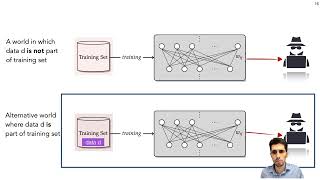
Auditing Data Privacy for Machine Learning
Explores privacy risks in machine learning, including data extraction from models, membership inference attacks, and tools for auditing privacy. Discusses implications for AI regulations and privacy-by-design approaches.

Rethinking Security in an Era of Online Hate and Harassment
Explore the evolving landscape of online threats, focusing on hate and harassment. Learn about different attack types, their prevalence, and gaps in current protections to better address these challenges.
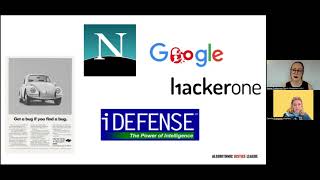
Bug Bounties for Algorithmic Harms Discovery and Disclosure
Exploring bug bounty programs' potential for addressing algorithmic harms, analyzing design levers, tradeoffs, and recent trends in expanding these programs to socio-technical issues.
Why Has Your Toaster Been through More Security Testing than AI Systems
Exploring the lack of standardized security testing for AI systems in critical sectors, contrasting with rigorous certifications for everyday appliances and traditional software.

Exposing Influence in Cyber Social Engineering - Thinking Slow
Explores machine learning methods to expose influence tactics in online deceptive content, aiming to improve human detection of phishing, disinformation, and deceptive ads.

Implementing Differential Privacy for the 2020 US Census
Explore the implementation of differential privacy for the 2020 US Census, including technical challenges, organizational hurdles, and the development of innovative algorithms to protect respondent privacy.

Tales of Intimate Gender-Based Online Abuse in the Global South
Exploring intimate gender-based digital violence in the Global South, focusing on Latin America. Examines abuser methods, societal factors, and lack of legal support, highlighting the need for global perspectives on online abuse.
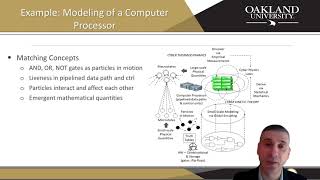
A Quest for the Physics of Cyberspace
Exploring the fundamental laws governing cyberspace dynamics through statistical physics and dynamical systems theory, with insights from hardware architectures and operating systems.
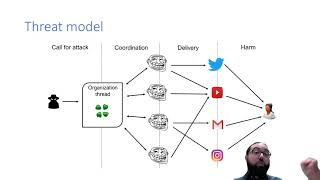
Computational Methods to Understand and Mitigate Online Aggression
Explores computational methods to understand and mitigate coordinated online aggression, focusing on hate attacks against YouTube creators and Zoom bombing incidents, while discussing challenges in developing effective countermeasures.

The Full Stack Problem of Election Security
Comprehensive analysis of election security vulnerabilities and solutions, covering voting infrastructure, campaign protection, and public confidence. Explores technical measures and collaborative efforts to safeguard electoral processes.
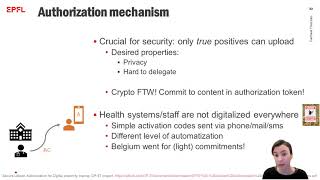
Contact Tracing Apps - Engineering Privacy in Quicksand
Explore privacy challenges and solutions in contact tracing apps, focusing on end-to-end protection within complex ecosystems and overcoming obstacles in real-world implementation.