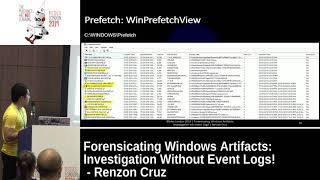
Forensicating Windows Artifacts - Investigation Without Event Logs
Discover essential Windows artifacts for forensic investigations without event logs. Learn to leverage prefetch files, registry keys, and browser data for effective incident response.
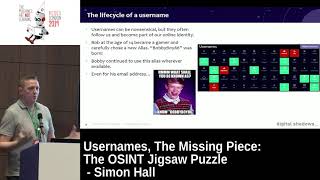
Usernames, The Missing Piece - The OSINT Jigsaw Puzzle
Explore the risks of shared usernames across services and their significance in OSINT investigations, challenging assumptions about username disclosure and recycling.
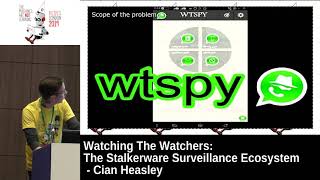
Watching the Watchers - The Stalkerware Surveillance Ecosystem
Explore the hidden world of consumer-grade surveillance tools and their impact on privacy, based on months of research into the stalkerware industry's technical and non-technical aspects.
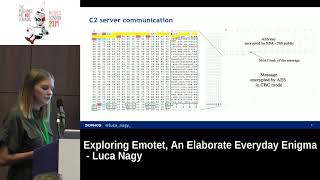
Exploring Emotet, An Elaborate Everyday Enigma
Dive into the intricacies of Emotet, the notorious and evolving malware family. Learn about its sophisticated operation, components, and the investigative techniques used to reverse engineer this digital threat.
A Newbie's Talk On Mobile Dangers Through The Looking Glass
Explore vulnerabilities in rooted Android devices and potential attacks using Raspberry Pi and USB-OTG accessories. Discusses programmatic rooting, charging port risks, and past iOS vulnerabilities.
SOC It Up! - Common Frustrations and Solutions in SOC Teams Today
Explore common SOC team challenges, current solutions, and future strategies for enhancing security operations effectiveness and team cohesion.
Fixing the Internet's Auto-Immune Problem - Bilateral Safe Harbor for Good-Faith Hackers
Exploring legal protections for ethical hackers, advocating for standardized Safe Harbor language in vulnerability disclosure programs to encourage cybersecurity collaboration without legal risks.
Breaking the Bodyguards - Tech Enabled Crime
Explore tech-enabled crime and its impact on personal security, with insights on protective measures and emerging threats in the digital age.
Diggin Deep into Newly Created Domains
Explore techniques for investigating newly registered domains, uncovering potential threats, and enhancing cybersecurity through proactive domain analysis.
Recreating an iOS 0-Day Jailbreak Out of Apple's Security Updates
Detailed walkthrough of recreating an iOS jailbreak from security updates, covering vulnerability discovery, exploit development, and jailbreak creation. Includes practical demonstration and insights.
Never Gonna Give You Up, Never Gonna Let You Down
Explore 30 years of hacking evolution and its impact on cybersecurity. Learn key insights and prepare for future challenges in the rapidly evolving landscape of digital security and cyberwarfare.
A Pre-Auth RCE on Leading SSL VPNs
Unveiling critical vulnerabilities in leading SSL VPNs, including pre-auth RCEs and backdoors. Demonstrating exploitation techniques, post-exploitation strategies, and discussing mitigation measures for enterprise security.
Advanced Mutation Fuzzing Method for Wireless Protocols
Explore advanced mutation fuzzing techniques for wireless protocols, covering basics, new fuzzer development, and smart payload mutation. Includes demos on mobile, IoT, and automotive vulnerabilities.
4G to 5G - New Attacks
Explores vulnerabilities in 5G/4G protocols affecting network operators and consumer devices. Demonstrates new hijacking, bidding down, and battery draining attacks using low-cost tools. Discusses worldwide testing results and potential fixes.
Scare - Static Code Analysis Recognition Evasion
Explore techniques to evade static code analysis tools, including covert data flow, deep call stacks, and taint laundering. Learn how malicious code can be camouflaged to avoid detection.

Abusing Over-The-Air Client Provisioning
Uncovers vulnerabilities in major phone brands' network settings, allowing attackers to manipulate user data. Demonstrates attack flows and discusses vendor mitigations for these security risks.
Perfidious - Make PE Backdooring Great Again
Explore PErfidious, a Python tool for PE file manipulation and shellcode injection. Learn about its capabilities in bypassing endpoint detection systems and its potential as a modern PE file analysis library.

How to Detect Fake Faces - Manipulated Images Using CNNs
Explore CNN-based methods for detecting manipulated facial images, including Deepfakes and face merging. Learn effective techniques using low-level and high-level features for automatic detection of facial manipulation.

Car Hacking Made Easel
Demonstrating a systematic approach to reverse engineer and exploit car systems through CAN bus communication protocol analysis, packet spoofing, and payload crafting within a month-long prototype build.
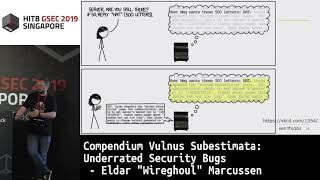
Underrated Security Bugs
Explore underrated security bugs with code snippets, exploitation examples, and impact assessments. Learn to identify and understand these overlooked vulnerabilities for better cybersecurity practices.
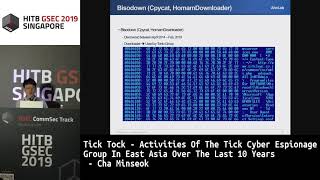
Activities of the Tick Cyber Espionage Group Over the Last 10 Years
Comprehensive analysis of the Tick cyber espionage group's decade-long activities, focusing on their tactics, malware, and impact on East Asian targets, particularly in Korea and Japan.