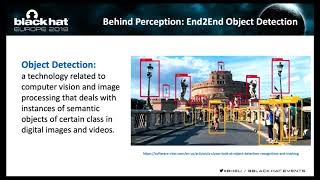
Perception Deception - Physical Adversarial Attack Challenges
Explore physical adversarial attacks on object detection systems, focusing on YOLOv3. Learn tactics to overcome challenges in real-world scenarios and understand implications for AI security.
Don't Eat Spaghetti with a Spoon - An Analysis of the Practical Value of Threat Intelligence
Explore the effectiveness of Threat Intelligence in predicting Internet malicious activity through analysis of over a million indicators across diverse real-world network sensors.
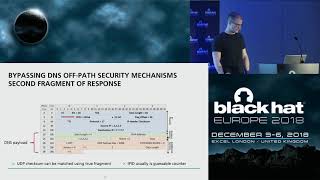
Off-Path Attacks Against PKI
Explore vulnerabilities in Certificate Authorities and learn how off-path attackers can compromise PKI security, undermining the foundation of Internet application trustworthiness.

The Undeniable Truth - How Remote Attestation Circumvents Deniability Guarantees in Secure Messaging Protocols
Explore protocol design to resist remote attestation attacks in secure messaging, covering cryptographic methods and TEE-based approaches for enhanced deniability and security.

Divide et Impera - MemoryRanger Runs Drivers in Isolated Kernel Spaces
Explore Windows 10 kernel memory protection, its vulnerabilities, and MemoryRanger's innovative approach to isolating drivers for enhanced security against malware attacks.
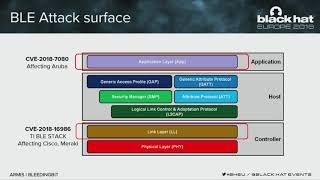
BLEEDINGBIT - Your APs Belong to Us
Explore BLEEDINGBIT vulnerabilities in BLE chips, allowing unauthenticated network penetration. Learn attack methods, packet structures, and prevention strategies for enterprise wireless access points.
Straight Outta VMware - Modern Exploitation of the SVGA Device for Guest-to-Host Escapes
Explore modern exploitation techniques for VMware Workstation's virtual graphics device, analyzing the graphics pipeline to achieve guest-to-host code execution in this in-depth security presentation.
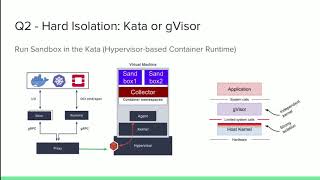
Cloud-Native Sandboxes for Microservices - Understanding New Threats and Attacks
Explore redesigned sandboxing for container environments, improving detection of microservice-oriented attacks and addressing performance challenges in contemporary systems.
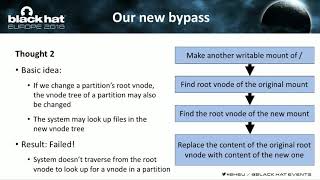
The Last Line of Defense - Understanding and Attacking Apple File System on iOS
Explore APFS architecture, previous attacks, and a new method to bypass mitigations, potentially compromising iOS file system security.

AI Gone Rogue - Exterminating Deep Fakes Before They Cause Menace
Explore the dangers of deepfakes and learn about an innovative deep learning solution for identifying complex deepfake videos, with a live demonstration of the proposed technology.

Applied Self-Driving Car Security
Explore self-driving car security with industry experts, covering technology, potential attacks, and defense strategies for this emerging field.
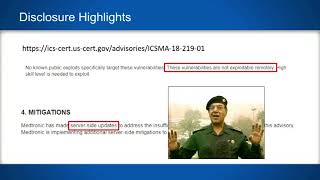
Understanding and Exploiting Implanted Medical Devices
Explore vulnerabilities in implanted medical devices, including pacemakers and neurostimulators. Learn about remote exploitation risks, therapy disruption, and patient safety concerns in this technical presentation.

Protecting the Protector - Hardening Machine Learning Defenses Against Adversarial Attacks
Strategies for enhancing machine learning model resilience against tampering, comparing cloud and client-based models, and exploring defense techniques for endpoint protection systems.
Unpacking the Packed Unpacker - Reverse Engineering an Android Anti-Analysis Native Library
Gain tools and techniques to expose hidden Android malware through reverse engineering of anti-analysis native libraries, enhancing your ability to combat mobile threats.

Automating Exploit Generation for Arbitrary Types of Kernel Vulnerabilities
Explore automated exploit generation techniques for kernel vulnerabilities, reducing development time from thousands of hours to minutes and enhancing cybersecurity practices.
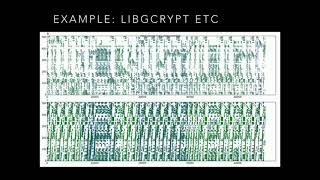
TLBleed - When Protecting Your CPU Caches is Not Enough
Explore TLBleed, a novel side-channel attack leaking information from Translation Lookaside Buffers, demonstrating vulnerabilities beyond CPU caches and challenging current security measures.
Windows Offender - Reverse Engineering Windows Defender's Antivirus Emulator
Dive into the internals of Windows Defender's antivirus emulator, exploring its binary analysis techniques for potentially malicious PE files. Gain unique insights into reverse engineering antivirus systems.
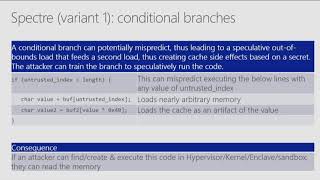
Wrangling with the Ghost - An Inside Story of Mitigating Speculative Execution Side Channel Vulnerabilities
Explore Microsoft's approach to mitigating speculative execution vulnerabilities, including research, collaboration, and industry-wide efforts. Learn about Spectre, Meltdown, and strategies for robust security measures.
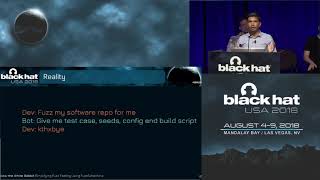
Follow the White Rabbit - Simplifying Fuzz Testing Using FuzzExMachina
Explore FuzzExMachina, a framework for efficient fuzz testing. Learn how it uncovered 11 crashes and 6 exploitable vulnerabilities in Arch Linux packages, simplifying security analysis.
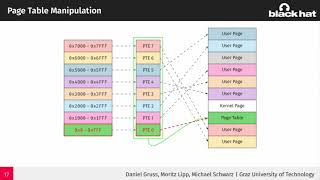
Another Flip in the Row
Explore the Rowhammer bug in DRAM modules, its security implications, exploitation techniques, and potential mitigations in this comprehensive overview of hardware vulnerabilities.
Playback - A TLS 1.3 Story
Explore TLS 1.3's 0-RTT feature, its risks, and real-world replay attacks. Learn about potential solutions and mitigation controls for secure deployment of TLS 1.3-supported software.