
How ELISA Is Helping Use Linux in Safety-Critical Systems
Explore how the ELISA Project facilitates Linux adoption in safety-critical systems, enhancing reliability and security for critical applications across industries.
Consolidating Real-Time and HMI with ACRN Hypervisor for Industrial Automation
Explore ACRN Hypervisor's innovative approach to consolidating real-time and HMI systems, addressing challenges in industrial automation with virtualization and strict real-time performance requirements.
The Renaissance of Cyber Physical Offensive Capabilities
Explore the resurgence of cyber-physical offensive capabilities and their implications for modern security landscapes in this insightful presentation by Daniel Kapellmann Zafra.
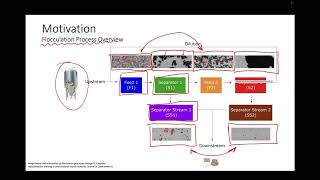
Convolutional Neural Networks for Visual Inspection in Industrial Processes
Explore CNNs for industrial visual inspection, learning how to train robust networks with limited datasets using PLS-inspired constraints. Gain insights for effective implementation in downstream processes.
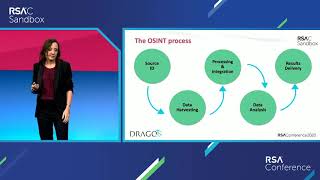
ICS OSINT - An Attacker’s Perspective
Explore ICS-specific OSINT techniques and freely available data used by adversaries in attacks. Learn to decrease attack surface and increase adversary friction in industrial control systems.

Process Control Through Counterfeit Comms - Using and Abusing Built-In Functionality to Own a PLC
Explore vulnerabilities in PLCs, learn discovery methods, and see how minor flaws can lead to device takeover. Gain insights into industrial control system security and potential exploits.
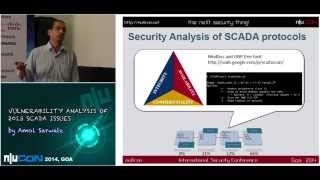
The Year in Which We Cannot Ignore SCADA
Comprehensive analysis of recent SCADA vulnerabilities in industrial control systems, covering root causes, attack vectors, consequences, and remediation strategies for critical infrastructure security.

Securing ICS-SCADA Systems
Explore vulnerabilities in ICS-SCADA systems for critical infrastructure, comparing IT and OT security approaches. Learn from an expert about protecting industrial control systems against sophisticated cyber attacks.
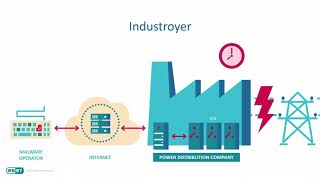
Industroyer - Biggest Threat to Industrial Control Systems Since Stuxnet
Análisis del malware Industroyer, diseñado para atacar redes eléctricas. Se explora su funcionamiento, impacto en Ucrania y potenciales amenazas globales para infraestructuras críticas.
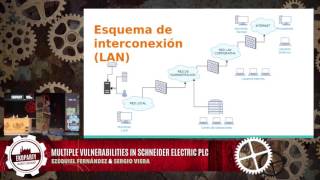
Multiple Vulnerabilities in Schneider-Electric PLC
Presentación de vulnerabilidades en PLC de Schneider-Electric, demostrando vectores de ataque y herramientas para automatizar procesos maliciosos en infraestructuras críticas industriales.

ICS Cyberkillchain
Introducción al modelo de seguridad industrial y simulación de un ataque en tiempo real a dispositivos ICS. Descubre cómo identificar y explotar vulnerabilidades en sistemas de control industrial.
Breaking the Laws of Robotics - Attacking Industrial Robots
Explore vulnerabilities in industrial robots, uncovering potential security risks and attack vectors. Learn about the implications for safety and productivity in automated manufacturing environments.

Introducción a la Captura de Amenazas en Entornos Industriales
Exploración de la captura de amenazas en entornos industriales, abordando tecnología operacional, ciberseguridad en ICS, honeypots y estrategias para proteger sistemas industriales.
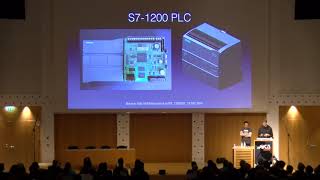
A Deep Dive Into Unconstrained Code Execution on Siemens S7 PLCs
Explore unconstrained code execution on Siemens S7 PLCs, revealing bootloader vulnerabilities and security implications. Learn about the special access feature and its potential for exploitation or forensic use.
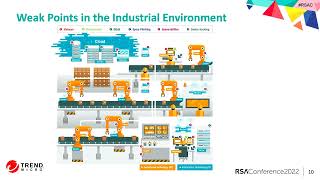
Bringing Zero Trust to Industrial Control Systems
Explore Zero Trust concepts for Industrial Control Systems, addressing vulnerabilities and improving cybersecurity readiness across IT and OT domains for enhanced threat response.
Standing Up a Successful Product Security Program
Insights from industry leaders on establishing effective product security programs, covering design, awareness, and response strategies for major cyber threats.

The 5 Most Dangerous New Attack Techniques, and What's to Come
Experts from SANS Institute discuss the most dangerous new attack techniques, including hardware attacks, big data weaponization, crypto mining, ICS safety threats, and cloud breaches, offering insights on defeating these evolving threats.
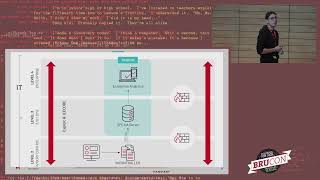
INCONTROLLER - New Malware Developed to Target Industrial Control Systems
Analysis of INCONTROLLER: a rare and dangerous state-sponsored malware targeting industrial control systems, with focus on its components, attack scenarios, and implications for cybersecurity professionals.
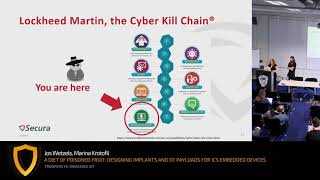
A Diet of Poisoned Fruit - Designing Implants and OT Payloads for ICS Embedded Devices
Explore designing implants and payloads for ICS embedded devices, covering discovery, attack design, and damage stages in cyber-physical attacks on industrial control systems.
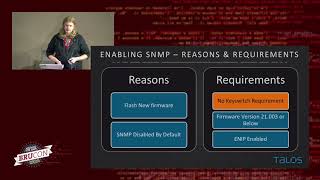
Process Control through Counterfeit Comms
Explore vulnerabilities in PLCs, focusing on discovery methods and how combining minor flaws can lead to device takeover. Learn about SNMP exploitation, memory manipulation, and firmware modification.
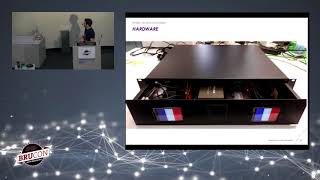
DYODE - Do Your Own Dyode
Explore DYODE, a low-cost DIY data diode for securing Industrial Control Systems. Learn about its development, components, and applications in file transfer, Modbus data, and remote debugging.