How to Use Kubernetes to Build a Data Lake for AI Workloads
Learn to build a cloud-agnostic data lake using Kubernetes, Rook, and Ceph for AI workloads. Discover how to provide unified data access across multiple data centers for data scientists and developers.
Rook Deep Dive - Ceph
Explore Rook's Ceph storage provider for Kubernetes, covering architecture, improvements, and production-ready management features for cloud-native environments.
Is There a Place For Distributed Storage For AI - ML on Kubernetes
Explore distributed storage for AI/ML on Kubernetes, discussing performance tradeoffs, scalability, and machine learning formats like RecordIO and TFRecord for enhanced model validation and utility.
Performance Optimization – Rook on Kubernetes
Explore optimization techniques for Rook/Ceph on Kubernetes, focusing on network stack improvements to match bare-metal performance. Learn measurement, discovery, and optimization processes across architectures and CNI plugins.
Intro to Rook - Storage for Kubernetes
Explore Rook, an open-source cloud-native storage orchestrator for Kubernetes. Learn about its benefits, use cases, and various storage providers, including Ceph, EdgeFS, and YugabyteDB.
Rook - Intro and Ceph Deep Dive
Explore Rook, a cloud-native storage orchestrator for Kubernetes, and dive deep into Ceph storage provider. Learn about architecture, improvements, and production-ready features for managing data in cloud environments.
Deep Dive - Rook
Explore Rook's architecture, Kubernetes extension mechanisms, and cloud-native storage orchestration. Learn about controllers, operators, and automated storage solutions for Ceph, CockroachDB, Minio, and NFS.

Intro - Rook
Explore Rook, a cloud-native storage orchestrator for Kubernetes. Learn its benefits, architecture, and how it automates storage management, turning software into self-managing services.
Writing for Developers - Take Your Project Docs to the Next Level
Enhance your project documentation skills with insights on user-centric writing, structuring content effectively, and creating impactful technical documentation for developers.
Rook - Intro and Ceph Deep Dive
Explore Rook, a cloud-native storage operator for Kubernetes. Learn about its benefits, use cases, and storage providers, with a deep dive into Ceph for stable block, file system, and object storage in production environments.
Rook - Intro and Ceph Deep Dive
Explore Rook, a cloud-native storage operator for Kubernetes, and dive deep into Ceph storage provider. Learn about block, file system, and object storage management in production environments.
Real-Time Data Anonymization the Serverless Way
Explore serverless real-time data anonymization using KEDA and Rook, focusing on privacy protection in Edge infrastructures through Cloud Native architecture and object detection AI models.
The Essence of Testing
Explore the core principles of software testing, focusing on ScalaTest's evolution, propositional and predicate logic, and property-based testing advancements.
Tales of the Autistic Developer - The Expert
Explore the concept of expertise through the lens of an autistic developer, examining its evolution, dangers, and impact on career development.
What Poetry Workshops Teach Us about Code Review
Explore how poetry workshop techniques can enhance code review, fostering better communication, team cohesion, and more effective software development practices.
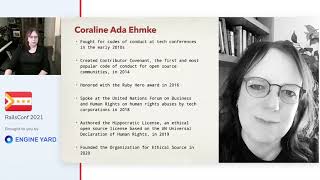
The Rising Storm of Ethics in Open Source
Exploring the ethical challenges in open source software and potential solutions, including procrastination, assimilation, or revolution, as the community faces a critical juncture.
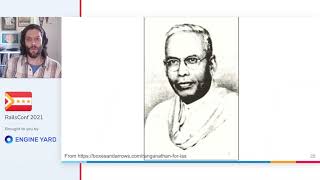
How Reference Librarians Can Help Us Help Each Other
Discover how reference librarian practices can improve team communication and knowledge sharing, breaking down barriers to asking for and providing help in engineering environments.
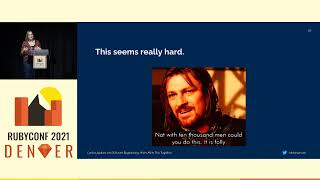
Contractualism + Software Engineering - We're All In This Together
Explore ethical decision-making in software engineering through contractualism, focusing on treating users as part of a larger community and considering the "user stack" in your work.
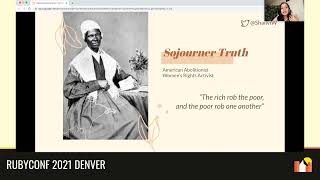
The Intentional Plan for Intersectionality
Explore intersectionality in STEM, addressing challenges faced by underrepresented groups. Learn to recognize privilege, workplace issues, and create an intentional plan for inclusivity.
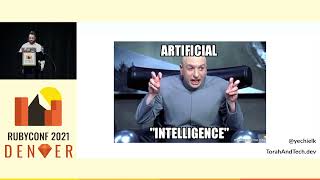
The Algorithm Ate My Homework
Explore ethical implications of AI decision-making through a Talmudic lens. Examine ancient case laws to draw parallels with modern AI challenges and spark crucial conversations about responsibility.
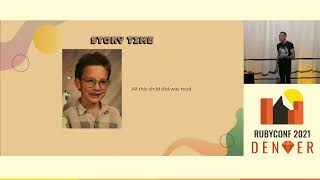
I Read It But Don’t Get It, or How to Tackle Technical Texts
Discover effective techniques for tackling technical texts, enhancing engagement, and maximizing knowledge retention. Learn to apply these skills to various reading materials and improve your learning process.