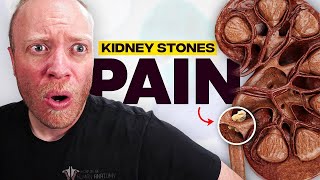
The Most Painful Thing a Human Can Experience - Kidney Stones
Explore kidney stone formation, pain perception, treatments, and prevention strategies through an in-depth anatomical perspective, offering valuable insights for understanding and managing this painful condition.
Carpal Tunnel Syndrome & the Median Nerve
Explore the anatomy of the median nerve and carpal tunnel, understanding the causes and implications of carpal tunnel syndrome through detailed explanations and visual demonstrations.
An In-Depth Look at the Kenhub Anatomy Platform
Explore the Kenhub anatomy platform's features, comparing digital resources to actual cadavers for an in-depth look at effective human anatomy study methods.

Muscles of the Upper Limb
Comprehensive overview of upper limb muscle anatomy, covering shoulder, arm, wrist, and hand using a SOMSO model. Ideal for students and professionals seeking detailed musculoskeletal knowledge.

Muscles of the Thorax and Abdomen - Anatomy Model
Comprehensive exploration of thoracic and abdominal muscles using an anatomy model, providing detailed insights into their structure, function, and anatomical relationships.
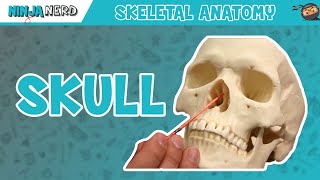
Skull Anatomy
Comprehensive overview of skull anatomy, covering key structures and features. Ideal for medical students and anatomy enthusiasts seeking a detailed understanding of cranial bones.
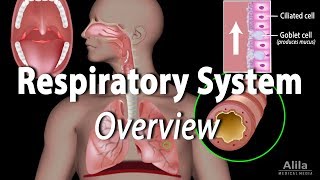
Basic Physiology - Overview of All Systems
Comprehensive animated overview of human body systems, covering anatomy, physiology, and key functions for a foundational understanding of human biology.

Metabolism
Explore metabolism, regulation, and disorders through animations covering carbohydrates, lipids, proteins, hormones, and key physiological processes. Gain insights into diabetes, cholesterol, and metabolic syndrome.
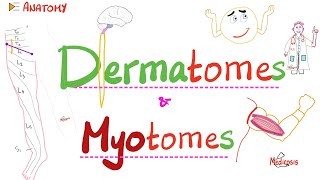
Dermatomes and Myotomes - Anatomy Series
Comprehensive overview of dermatomes and myotomes in human anatomy, covering sensory and motor nervous systems, embryology, and dermatome overlap. Enhances understanding of neurological examination and diagnosis.

Living Body - Forensics in the Courtroom - Christmas Lecture 3
Forensic anthropologist Sue Black investigates a heist, demonstrating forensic techniques and their courtroom applications in this engaging Royal Institution Christmas lecture.
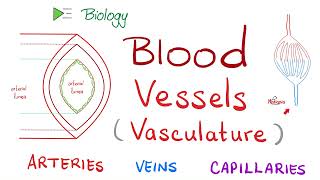
Blood Vessels - Arteries, Arterioles, Capillaries, Venules & Veins - Biology
Comprehensive overview of blood vessel types and functions in the circulatory system. Explores structure and roles of arteries, arterioles, capillaries, venules, and veins in blood transport and distribution.

Pharyngeal Arches, Pouches, and Clefts - Grooves
Explore the embryonic development of pharyngeal structures, including arches, pouches, and clefts, and their significance in forming various anatomical features of the head and neck.
Gastrointestinal Physiology - The Ultimate Quick Review
Comprehensive overview of GI physiology, covering processes from chewing to elimination. Explores digestive organs, enzymes, hormones, and key physiological mechanisms for optimal understanding.
Pathophysiology of Gastrointestinal Diseases and Gastrointestinal Reflexes
Explore gastrointestinal pathophysiology and reflexes, focusing on digestive system disorders, liver and pancreas function, and conditions like lactose intolerance and vomiting.
Small Intestine Motility and Secretions - GI Physiology
Explore small intestine motility and secretions in gastrointestinal physiology, focusing on digestion and absorption processes for a comprehensive understanding of GI function.
The Skin - Integumentary System
Explore the skin's structure, functions, and importance as the body's largest organ. Learn about its protective role, sensory capabilities, and role in temperature regulation.
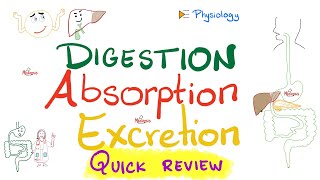
Digestive System - Quick Review - Digestion, Absorption & Excretion
Comprehensive overview of digestive processes, covering digestion of macronutrients, absorption of nutrients, and excretion. Ideal for biology and gastroenterology students seeking a quick review.
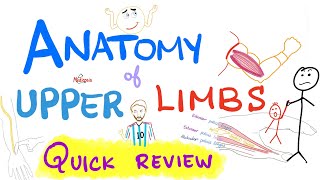
Anatomy of the Upper Limbs - Quick Review - Brachial Plexus
Comprehensive review of upper limb anatomy, covering nerves, muscles, bones, and joints. Focuses on brachial plexus and key structures for medical students and professionals.
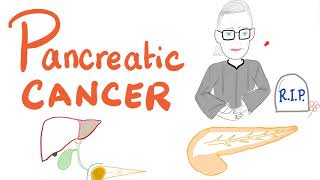
Pancreatic Cancer
Explore pancreatic adenocarcinoma, its aggressive nature, and metastasis patterns. Learn about its impact as the 4th leading cause of cancer-related deaths in the US.
Osmoregulation and the Urinary System - Chapter 26
Explore the fascinating world of osmotic regulation and kidney function, delving into key concepts from Raven's Biology and supplementary resources.

The Science of Hydration - How Much Water You Really Need
Explore the science of hydration, including water needs, electrolyte balance, and optimal hydration strategies for daily life and exercise routines.