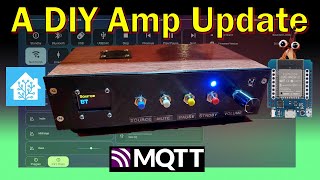
Adding an ESP32, MQTT and More to the Arylic Amp
Enhance an Arylic Amp with ESP32, MQTT, and Home Assistant integration. Learn to add a rotary volume knob, buttons, OLED display, and create a custom enclosure for a feature-rich audio streaming device.
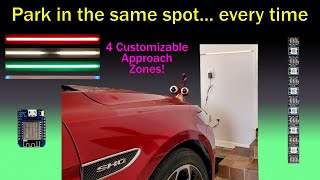
A New Parking Assistant Using ESP8266 and WS2812b LEDs
LED parking assistant using ESP8266 and WS2812b LEDs guides drivers to optimal parking position with color-coded zones and effects. Features web app control, MQTT integration, and over-the-air updates for a smart garage upgrade.
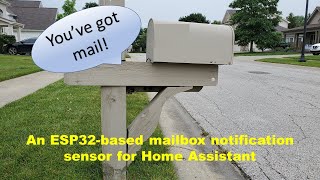
An ESP32-Based Mailbox Sensor for Home Assistant
Learn to build an ESP32-based mailbox sensor for Home Assistant, enabling voice or push notifications when mail arrives. Covers hardware assembly, ESPHome setup, and Home Assistant integration.

MQTT 102 - Adding Home Assistant Discovery to Your Devices
Learn to integrate MQTT devices with Home Assistant using auto-discovery. Simplify setup, create custom entities, and optimize device integration without complex coding or manual YAML configuration.

Auth for IoT - Securing Your Smart Home
Explore IoT security for smart homes, covering existing platforms and DIY projects. Learn to implement robust authentication, protect your network, and adopt a zero-trust approach for safer home automation.

Create a Generic Thermostat Control for Simple Temp Sensor and Binary Switch in Home Assistant
Learn to create a generic thermostat control in Home Assistant using a binary switch and temperature sensor, enabling easy comfort level management for your smart home setup.
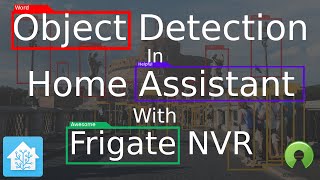
Frigate NVR in Home Assistant for Automation and Notifications Based on Object Detection
Explore Frigate NVR integration with Home Assistant for advanced object detection, automation, and notifications. Learn setup, configuration, and practical applications for smarter home surveillance.

Home Assistant Scenes - Bring Your Smart Home Devices Together and Make Your Life Easier
Learn to create and use Home Assistant Scenes to group smart devices, automate your home, and simplify daily routines. Discover how to set up, customize, and integrate scenes with automations.
Home Assistant Grids for Beautiful, Functional Dashboards
Learn to create visually appealing and functional Home Assistant dashboards using grid layouts. Discover nested grids, mobile-friendly designs, and tips for effective dashboard organization.
Using Message Queues in Home Assistant to Trigger Automations More Efficiently
Learn to use MQTT with Home Assistant for efficient automation triggers, focusing on setup, integration, and practical application with a Shelly Button device.
Move Home Assistant to Proxmox - A Complete Step-By-Step Guide
Comprehensive guide for migrating Home Assistant to Proxmox, covering hardware requirements, installation, VM setup, backups, and system optimization. Ideal for users seeking improved performance and reliability.
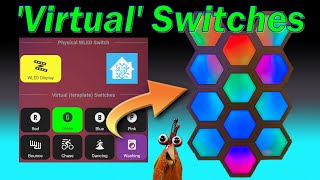
How to Create Virtual Switches in Home Assistant
Learn to create and utilize virtual switches in Home Assistant for enhanced automation and control. Explore practical examples including light brightness, streaming services, WLED displays, and input booleans.
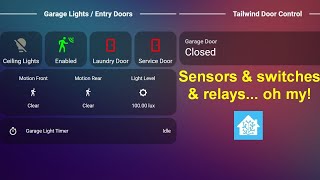
Automated Garage Lighting with Home Assistant
Learn to automate garage lighting using Home Assistant, exploring various sensors and relays for reliable motion detection and energy efficiency. Gain practical insights on overcoming challenges in smart home automation.
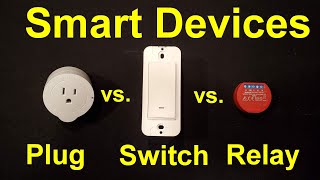
Smart Plugs vs. Switches vs. Relays
Explore smart plugs, switches, and relays for home automation. Compare features, installation, and use cases. Learn about custom firmware and integration with Home Assistant.

Home Assistant - How to Install HACS
Learn to install and use HACS (Home Assistant Community Store) for easy access to community-developed integrations and frontend features. Includes GitHub setup and step-by-step installation guide.
Home Assistant 101: Integrating MQTT Devices Manually
Learn to integrate MQTT devices into Home Assistant, covering sensors, switches, and lights. Gain practical skills to add various MQTT devices and better understand official documentation.
Rootless Containers with Podman
Explore rootless containers with Podman, covering benefits, requirements, and practical applications like Home Assistant deployment. Learn troubleshooting and maintenance tips.

Home Assistant 101: Splitting Your Configuration
Learn to split and organize your Home Assistant configuration into multiple files, improving manageability and intuitiveness. Covers YAML basics, file editing, backups, and various splitting techniques.

Enough Automation in Home Automation?
Explore the potential for enhanced automation in smart homes, focusing on device interconnectivity and user-friendly, shareable automations beyond basic control methods.
Comparison of Open Source Software Home Automation Tools
Explore popular open source home automation tools like Home Assistant, OpenHAB, and Domoticz. Learn about supported devices, practical examples, and customization options for controlling IoT appliances.
Home Automation with MQTT
Explore MQTT protocol for home automation, including integration with open-source platforms, message conventions, and practical examples using Raspberry Pi and Arduino-based sensors.