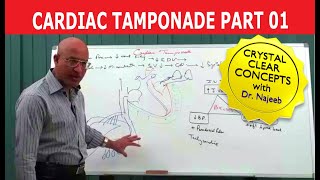
Cardiac Tamponade - Cardiology - Part 1
Comprehensive exploration of cardiac tamponade, covering pathophysiology, clinical presentation, and diagnostic approaches in cardiology. Ideal for medical students and healthcare professionals.
Pulmonary Hypertension - Primer for the Internist
Gain expert insights on pulmonary hypertension diagnosis, management, and treatment strategies for internists from Prof. Alberto Marra's comprehensive webinar.
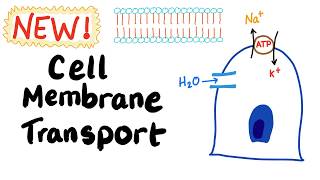
Introduction to Fluids and Hemodynamics
Learn key concepts of fluid dynamics and hemodynamics in medicine, covering fundamental principles and their applications in understanding blood flow and circulation.
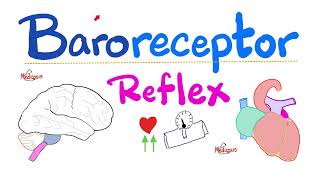
Baroreceptor Reflex in Cardiovascular Physiology - Carotid Sinus and Aortic Arch
Comprehensive exploration of the baroreceptor reflex, covering its anatomy, physiology, and role in blood pressure regulation. Ideal for medical students and healthcare professionals.
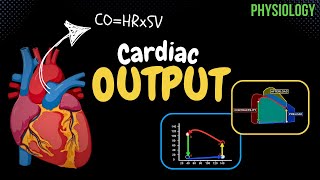
Cardiac Output and Pressure-Volume Diagram Explained
Explore cardiac output, pressure-volume relationships, and factors affecting heart function. Learn about preload, afterload, and contractility to understand cardiovascular physiology in depth.
Enabling Real-Time Insights into Hemodynamic Blood Flow
Discover how innovative optical technology and advanced algorithms enable real-time visualization of blood flow dynamics during open surgery, advancing surgical precision and patient outcomes.
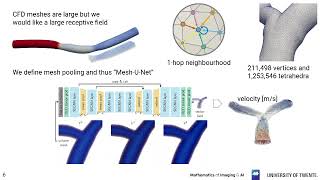
SE3 Equivariant Hemodynamic Field Estimation in 3D Artery Models via Graph Neural Networks
Estimate hemodynamic fields in 3D artery models using SE3 equivariant graph neural networks, enhancing accuracy and efficiency in cardiovascular research.
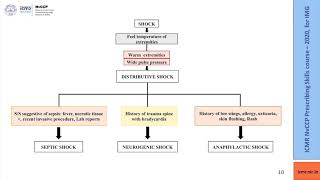
Management of Shock
Learn essential strategies for managing shock, including diagnosis, treatment, and patient care techniques from an expert in the field.
The Personalisation of Cardiovascular Models Using Julia
Innovative workflow for personalizing cardiovascular models using Julia, combining data assimilation, sensitivity analysis, and optimization to enhance clinical decision-making and improve patient outcomes.
Commissural Alignment and TAVR - Structural and Hemodynamic Impact
Explore the structural and hemodynamic effects of commissural alignment in transcatheter aortic valve replacement (TAVR) procedures through detailed clinical insights and analysis.
Hemodynamic Reserve and Right Heart Failure Prediction After LVAD Implantation
Explore how hemodynamic reserve and right ventricular function serve as predictive indicators for post-LVAD right heart failure outcomes in cardiovascular patients.
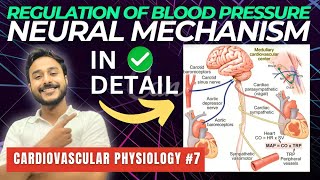
Regulation of Blood Pressure: Short-Term Physiological Mechanisms
Explore short-term blood pressure regulation mechanisms, including baroreceptors and neural control, to understand cardiovascular homeostasis maintenance.

Cardiac Dysfunction in Aortic Valve Stenosis
Delve into the pathophysiology and clinical implications of cardiac dysfunction caused by aortic valve stenosis, exploring diagnostic approaches and treatment strategies.
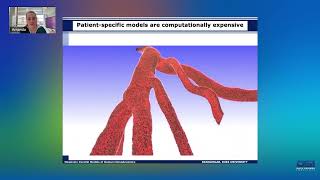
Using Data Science to Advance the Impact of Vascular Digital Twins in Medicine
Explore high-resolution digital twins of vascular anatomy to inform disease treatment. Learn how data science and physics-based modeling combine to address personalized medicine challenges.

Developing Vascular Digital Twins to Shift from Reactive to Proactive Care
Discover how digital twin technology revolutionizes healthcare through advanced vascular system simulations, enabling personalized treatment planning and early disease detection using high-performance computing.