
Psychological Disorder Chapter 7
Explore psychological disorders, their types, and classifications in this comprehensive overview for university freshmen studying psychology.
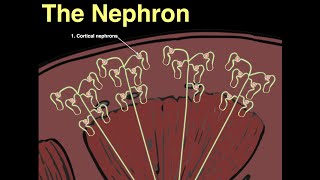
The Nephron
Comprehensive exploration of nephron structure and function, covering renal corpuscle, tubules, and juxtaglomerular apparatus. Explains key processes and components for a deep understanding of kidney physiology.

Thoracic and Abdominal Wall
Comprehensive exploration of thoracic and abdominal wall anatomy, covering skeletal structure, muscles, fascial layers, and vascular-nervous systems for a deeper understanding of trunk anatomy.
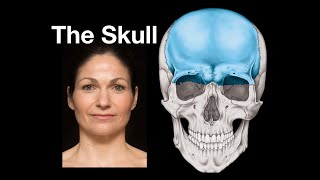
Skull Bones, Sutures and Landmarks
Comprehensive exploration of skull anatomy, covering bones, sutures, and landmarks from multiple perspectives. Includes study tips and detailed examination of cranial fossae.
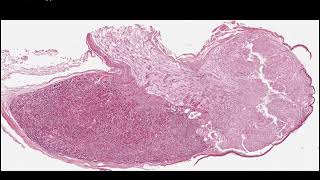
Pituitary and Hypothalamus
Comprehensive exploration of pituitary gland and hypothalamus anatomy, embryology, vascular supply, histology, and hormones. Covers anterior and posterior pituitary hormones, including FSH, LH, ACTH, TSH, PRL, GH, ADH, and OT.

Female Reproductive System - Pelvic Organs
Comprehensive overview of female pelvic organs: anatomy, function, and vascular supply. Covers ovaries, uterine tubes, uterus, and vagina, including ligaments and topography.

Digestive System
Comprehensive overview of the digestive system, covering anatomy, function, and vascular supply. Explores major organs, GI tract layers, and accessory structures, providing a thorough understanding of digestive processes.
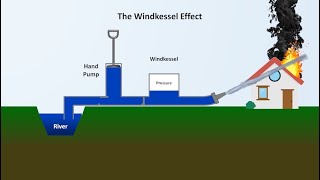
The Arterial System and Blood Pressure
Explore factors influencing blood pressure, including Windkessel effect, arterial compliance, and age. Learn about respiratory pulse pressure variation and its clinical significance.

Hemodynamics
Explore cardiovascular fluid dynamics, including hydrostatic pressure, flow equations, and resistance laws. Gain insights into key principles of hemodynamics for a deeper understanding of cardiovascular physiology.

Cardiac Mechanics - Preload, Afterload, Contractility, Ejection Fraction, and Cardiac Output
Comprehensive exploration of cardiac mechanics, covering key factors influencing heart function, measurement techniques, and the Frank-Starling mechanism for a deeper understanding of cardiovascular physiology.
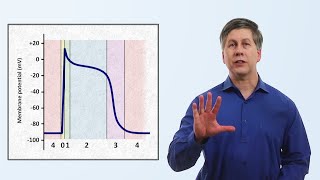
The Cardiac Action Potential
Comprehensive exploration of cardiac action potentials, covering ion channels, membrane potentials, and fast/slow responses, essential for understanding cardiovascular physiology.
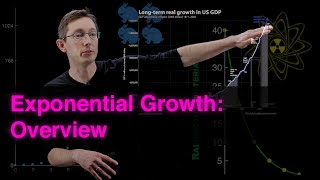
Control Theory and COVID-19
Explore exponential growth, its applications, and control theory in relation to COVID-19, covering models, sensors, and control design strategies.

COVID-19 - Coronavirus: Epidemiology, Pathophysiology - April Update
Comprehensive overview of COVID-19's virology, epidemiology, and pathophysiology, covering transmission rates, infection methods, and organ damage, based on research as of April 2020.

Neurology - Cranial Nerves: Overview
Comprehensive overview of all 12 cranial nerves, detailing their origins, structures supplied, fiber types, and functions. Ideal for medical students and neurology enthusiasts seeking in-depth understanding.

Autonomic Pharmacology - Muscarinic Antagonists
Comprehensive exploration of muscarinic antagonists, covering cholinergic physiology, types, toxicity, and practical applications. Ideal for medical students and healthcare professionals seeking in-depth pharmacological knowledge.

Autonomic Pharmacology - Cholinergic Agonists
Comprehensive exploration of cholinergic agonists, covering system mechanics, receptor types, clinical applications, and potential side effects. Includes practice problems for reinforced learning.

Pharmacodynamics
Comprehensive exploration of pharmacodynamics, covering drug-receptor interactions, dose-response relationships, therapeutic index, and agonists vs antagonists, with practice problems included.

Pharmacokinetics - Drug Absorption
Comprehensive exploration of drug absorption, covering routes, mechanisms, influencing factors, bioavailability, and practical applications in pharmacokinetics.
Antimycobacterials - Anti-TB Drugs
Comprehensive overview of antimycobacterial drugs, covering mechanisms, clinical uses, and side effects. Includes case studies for practical application of knowledge in treating tuberculosis.

Antifungals
Comprehensive overview of antifungal medications, covering mechanisms of action, clinical applications, and side effects. Includes case studies for practical understanding.

Antivirals - HIV, Hepatitis, Influenza, Herpes Treatment
Comprehensive overview of antiviral medications for HIV, hepatitis, influenza, and herpes, covering mechanisms, treatments, adverse effects, and contraindications. Includes case studies for practical application.