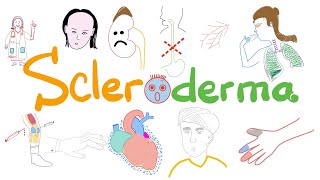
Scleroderma - Systemic Sclerosis
Comprehensive overview of scleroderma, covering symptoms, diagnosis, and treatment. Learn about skin thickening, Raynaud's phenomenon, and organ involvement in this autoimmune connective tissue disorder.
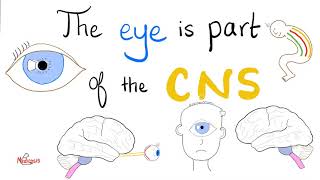
The Eye Is Part of the CNS
Explore embryology of the central nervous system, including eye development, and learn about related conditions like holoprosencephaly and multiple sclerosis.
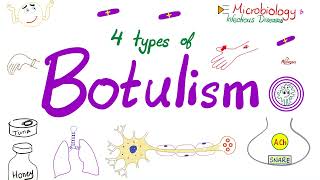
Four Types of Botulism - Food-Borne Botulism, Infant Botulism, Wound Botulism & Inhalation Botulism
Explore the four types of botulism, including causes, symptoms, and treatments. Learn about the neurotoxin's effects and its medical applications in cosmetic procedures.
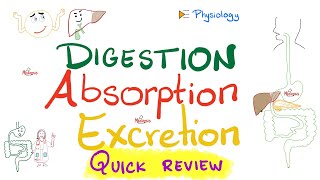
Gastrointestinal Physiology - The Ultimate Quick Review
Comprehensive overview of GI physiology, covering processes from chewing to elimination. Explores digestive organs, enzymes, hormones, and key physiological mechanisms for optimal understanding.
Microbiology with Picmonic - Shigella, EHEC, HUS, Yersinia Enterocolitica & Pestis
Explore key bacterial pathogens: Shigella, EHEC, and Yersinia species. Learn about their characteristics, associated diseases, and clinical implications in this comprehensive microbiology lecture.

Ventilation, Compliance and Lung Pressures - Respiratory Physiology - Pulmonology
Comprehensive exploration of respiratory mechanics, covering lung volumes, capacities, pressures, and compliance. Ideal for medical students and healthcare professionals studying pulmonary physiology.
Pathophysiology of Gastrointestinal Diseases and Gastrointestinal Reflexes
Explore gastrointestinal pathophysiology and reflexes, focusing on digestive system disorders, liver and pancreas function, and conditions like lactose intolerance and vomiting.
Vomiting - How Does It Protect You?
Explore the protective function of vomiting, its reflex mechanism, and the role of the chemotactic trigger zone in the medulla. Learn about antiemetics and related gastrointestinal physiology.
Clostridium Botulinum Characteristics - Microbiology and Infectious Diseases
Explore Clostridium botulinum's characteristics, its role in botulism, and the mechanism of botulinum toxin in inhibiting acetylcholine release, causing flaccid paralysis.
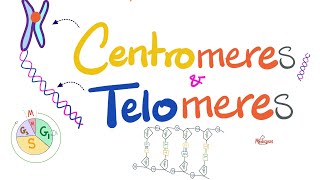
Telomeres, Centromeres, Telomerase, Heterochromatin, Euchromatin, Histones - Molecular Biology
Explore key concepts in molecular biology: telomeres, centromeres, telomerase, heterochromatin, euchromatin, and histones. Learn their roles in DNA structure, aging, and cancer pathogenesis.
Bilirubin Metabolism and Jaundice - Gastrointestinal Physiology and Pathology
Comprehensive overview of bilirubin metabolism and jaundice, covering types, causes, and physiological processes. Ideal for medical students seeking in-depth understanding of gastrointestinal pathology.
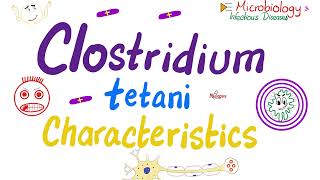
Clostridium Tetani Characteristics - Tetanospasmin- Paralysis - Microbiology and Infectious Disease
Explore Clostridium tetani's characteristics, tetanospasmin's role in causing spastic paralysis, and its impact on infectious disease. Gain insights into this gram-positive rod's pathogenesis and clinical significance.

Cardiovascular Physiology - Pressure-Volume Loops, Cardiac Cycle, ESV, EDV, SV, CO, Starling Law
Comprehensive exploration of cardiovascular physiology, covering pressure-volume loops, cardiac cycle, and key metrics like ESV, EDV, SV, and CO. Includes Frank-Starling Law and concepts of preload, afterload, and compliance.
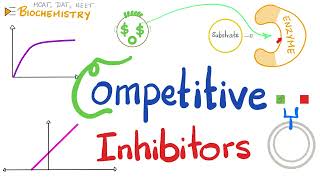
Competitive Inhibition and Enzyme Kinetics - Biochemistry
Explore competitive inhibition in enzyme kinetics, focusing on Michaelis-Menten and Lineweaver-Burk graphs. Gain insights into biochemical processes and their applications in medicine.
Gram-Positive Cocci - Quick Review - Microbiology and Infectious Diseases
Comprehensive review of gram-positive cocci bacteria, covering key aspects for medical exams. Focuses on bacteriology, infectious diseases, and clinical relevance for healthcare professionals.

The Ultimate Biology Review - Last Night Review
Comprehensive biology review covering key concepts for medical exams. Ideal for last-minute preparation, offering concise explanations of essential topics for MCAT, NCLEX, USMLE, and other healthcare-related tests.
Streptococcus Pneumoniae Diagnosis and Treatment - Microbiology and Infectious Diseases
Comprehensive overview of pneumococcal infection diagnosis and management, covering clinical presentation, laboratory tests, and treatment strategies for various manifestations.
Streptococcus Pneumoniae - Microbiology and Infectious Diseases
Comprehensive overview of Streptococcus pneumoniae, covering microbiology, clinical features, diagnosis, and treatment. Ideal for medical students preparing for USMLE, NCLEX, and other exams.
Streptococcus Agalactiae - Neonatal Meningitis, Sepsis, Pneumonia
Comprehensive overview of Streptococcus agalactiae, focusing on its role in neonatal infections like meningitis, sepsis, and pneumonia. Explores pathogenesis, diagnosis, and treatment strategies.
Streptococcus Pyogenes Diagnosis and Treatment - Microbiology and Infectious Diseases
Comprehensive overview of Streptococcus pyogenes, covering diagnosis methods and treatment options for this beta-hemolytic bacterium. Ideal for medical students and healthcare professionals.
Streptococcus Pyogenes Diseases - Microbiology & Infectious Diseases
Comprehensive overview of Streptococcus pyogenes infections, covering pathogenesis, clinical manifestations, diagnosis, and treatment options for various diseases caused by this bacterium.