Mindwandering: Stimulating Creativity and Boosting Focus
Explore the benefits of mindwandering with neuroscientist Moshe Bar. Learn how this natural brain activity can enhance creativity, focus, and mood, revolutionizing our understanding of cognitive processes.

The Science of Cooperation - Evolution of Social Behavior in Humans and Animals
Explore the evolution of cooperation in humans and animals, its role in our social structures, and its dark side. Gain insights into why we cooperate and how it shapes our behavior and relationships.
The Science of Sleep - From Melatonin to Neural Pathways
Experts discuss the science of sleep, exploring circadian rhythms, hormones, and neural pathways. Learn how sleep affects health and strategies for better sleep hygiene.
The Science of Collaboration
Explore the evolutionary importance and cognitive science behind human collaboration with experts Uta and Chris Frith, examining advantages, decision-making, and social cognition in group settings.
Why Dirt and Microbes Could Be Good for Us
Explores the potential benefits of exposure to dirt and microbes, challenging the notion of excessive hygiene and suggesting a balanced approach to microbial interactions for improved health.
Is Obesity a Choice? The Genetics of Human Appetite
Geneticist Giles Yeo explores the complex relationship between genetics and obesity, challenging the notion that obesity is simply a matter of personal choice or willpower.
Harnessing the Power of Immunology to Heal Ourselves
Explore the complex interplay between immunology and microbes, uncovering potential for novel medicines and therapies. Learn how immune responses in the gut are triggered by infection or inflammation.
PTSD, Psychological Trauma and Head Injuries: New Brain Imaging Insights
Neuroscientists explore cutting-edge brain imaging and olfactory research to understand psychological trauma, head injuries, and PTSD, revealing new insights into memory triggers and brain function.
How Far Can We Push the Human Body? - Exploring Human Resilience and Medical Advancements
Explore the remarkable resilience of human bodies and modern medicine's impact on pushing physical limits in extreme environments, with insights from cardiologist Dr Rohin Francis.
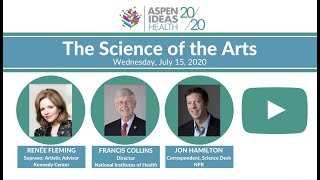
The Science of the Arts - Exploring Music's Impact on Brain Health and Well-being
Explore the fascinating intersection of neuroscience and the arts, uncovering how music and creativity impact brain function, health, and well-being.
Intersections of Climate Change and Health - Lessons from COVID-19
Explore the intersection of climate change and health, focusing on COVID-19, with insights from environmental leaders on systemic issues and future strategies.
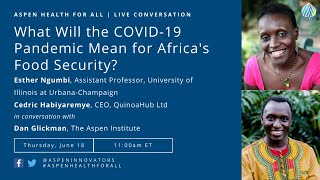
COVID-19 and African Food Security - Impact and Solutions
Experts discuss COVID-19's impact on African food security, exploring challenges to agricultural progress and potential solutions to minimize long-term effects on the continent's farming sector.
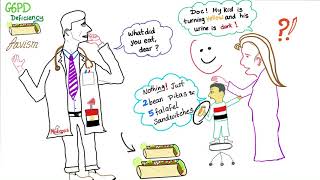
Glucose-6-Phosphate Dehydrogenase Deficiency - AKA Favism
Explore G6PD deficiency, an X-linked disorder causing hemolytic anemia. Learn about its protective effect against malaria, triggers like fava beans, and common symptoms including jaundice and fatigue.
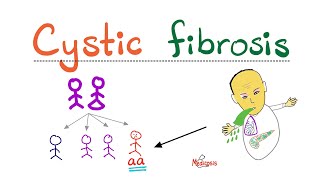
Cystic Fibrosis - Definition, Pathogenesis, Symptoms and Complications
Comprehensive overview of cystic fibrosis, covering its definition, underlying mechanisms, clinical manifestations, and potential complications. Ideal for medical students and healthcare professionals seeking in-depth understanding.

Tissue Hypoxia - Respiratory Physiology - Pulmonary Medicine
Explore tissue hypoxia causes, including ischemia, hypoxemia, and hemoglobin abnormalities. Learn about inadequate tissue oxygenation and its implications in respiratory physiology and pulmonary medicine.
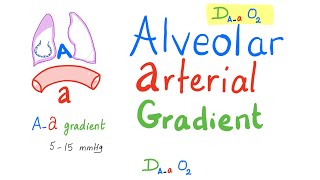
Alveolar-Arterial Gradient - Respiratory Physiology and Pathology - Pulmonary Medicine
Explore the Alveolar-arterial gradient in respiratory physiology, its calculation, and its role in differentiating lung diseases. Learn to interpret A-a gradient values for improved diagnosis.

Diffusion Capacity of Carbon Monoxide - Pulmonary Medicine
Comprehensive exploration of carbon monoxide diffusion capacity in lungs, covering physiological principles, measurement techniques, and clinical implications for respiratory health assessment.
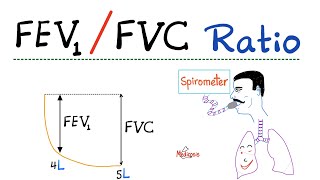
FEV1-FVC Ratio - Pulmonary Medicine - Obstructive vs Restrictive Lung Disease - Respiratory Physio
Explore FEV1/FVC ratio in pulmonary medicine, distinguishing obstructive and restrictive lung diseases through respiratory physiology concepts and diagnostic interpretations.
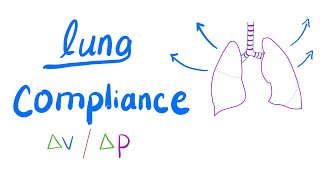
Lung Compliance - Surface Tension - Emphysema - Respiratory Physiology
Explore lung compliance, surface tension, and emphysema in respiratory physiology. Gain insights into pulmonary mechanics and their impact on breathing efficiency.
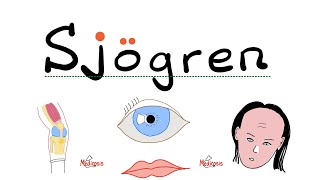
Sjögren Syndrome - Rheumatology
Comprehensive overview of Sjögren Syndrome, covering symptoms, affected glands, and diagnostic markers. Explains the autoimmune nature and distinguishes from Sicca syndrome.
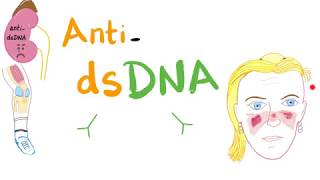
Anti-Double Stranded DNA Antibodies
Explores autoantibodies in systemic lupus erythematosus, rheumatoid arthritis, and vasculitis. Discusses specificity and sensitivity of various antibody tests, including anti-dsDNA, anti-CCP, RF, and ANCA.