How the Krebs Cycle Powers Life and Death – With Nick Lane
Explore the Krebs cycle's role in life's chemistry, from cellular respiration to cancer, and its impact on Earth's history. Discover how this metabolic process connects diverse biological phenomena.

Giant Fishing Dinosaurs - Uncovering Spinosaurus and Baryonyx – With David Hone
Explore the latest discoveries about Spinosaurus and Baryonyx, giant fishing dinosaurs. Learn about their anatomy, behavior, and unique adaptations for aquatic lifestyles through fossil evidence and scientific analysis.

Genetic Testing for Hereditary Neurological Disorders - Webinar - Ambry Genetics
Explore genetic testing for neurological disorders, covering diagnosis, treatment options, and ethical considerations for pediatric and adult cases.
What's Next in Epilepsy Genetic Testing - Webinar - Ambry Genetics
Explore advancements in epilepsy genetic testing, including refined panels, precision medicine, and next-generation sequencing techniques for improved diagnosis and treatment strategies.
Analyzing Historical Mutations in the Cystic Fibrosis Gene - Ambry Genetics
Genetic counselors analyze CFTR gene mutations, discussing reclassified variants and implications for genetic testing in cystic fibrosis and related disorders.
What Are the New Discoveries in Human Biology? - With Dan Davis
Explore groundbreaking discoveries in human biology and their potential impact on future medical treatments, diets, and genetic modifications, presented by immunologist Dan Davis.
Overloaded - How Your Brain Chemicals Influence Your Life - With Ginny Smith
Explore the fascinating world of neurotransmitters and their impact on our thoughts, emotions, and behaviors. Discover cutting-edge research on brain chemistry and its influence on everyday life.

How Do Crime Labs Translate Forensic Evidence into Proof? - With Beth Bechky
Exploring forensic science's role in criminal investigations and courtrooms, detailing the challenges scientists face in delivering unbiased evidence under pressure.
Viruses, Pandemics and Immunity - With Arup K Chakraborty and Andrey S Shaw
Experts explore virus emergence, immune system responses, and pandemic-fighting tools, providing insights into public health policies and future preparedness against global health threats.
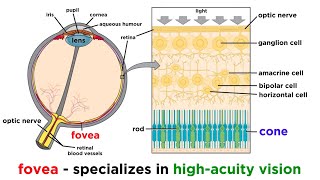
Visual Processing and the Visual Cortex
Explore the fascinating journey of visual information from the retina to the brain's visual cortex, uncovering the intricate processes behind our perception of the world around us.

Placenta-Derived Stem Cells: Novel Therapies for Crohn's Disease and Organoid Creation
Pioneering research on placenta-derived stem cells for treating Crohn's disease and creating organoids, with potential to revolutionize therapy and transplantation.

Disparity in Cancer Survival Rates for Young Adults
Exploring the survival rate disparity for young adult cancer patients and the crucial gap between pediatric and adult oncology approaches.
Blood Types - An Introduction to the ABO and Rh Systems
Explore the biology and genetics of ABO and Rh blood systems, their history, and medical implications including transfusion reactions and newborn health.
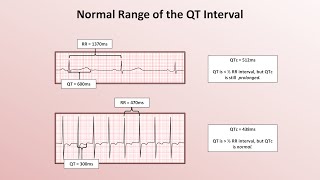
Advanced EKGs - The QT Interval and Long QT Syndrome
Explore QT interval measurement, long QT syndrome causes, and torsades de pointes arrhythmia. Learn to interpret EKGs and understand QT-related cardiac conditions for improved patient care.
Genomics, Medicine, Epidemiology and Data Interpretation
Explore racial bias in genomics, medicine, and epidemiology with experts discussing data interpretation challenges and the tension between quantitative and qualitative approaches.
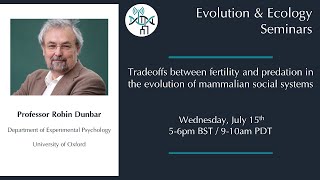
Tradeoffs Between Fertility and Predation in the Evolution of Mammalian Social System
Explore mammalian social evolution, examining fertility-predation tradeoffs, cognitive demands of bonding, and the impact of group size on various species' social structures.
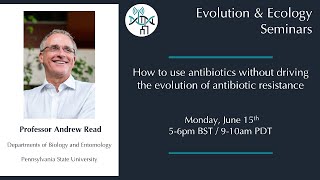
How to Use Antibiotics Without Driving the Evolution of Antibiotic Resistance
Explore strategies to combat antibiotic resistance, including novel approaches like competitive release and probiotic use, with insights from cutting-edge research and real-world applications.
Exploring XAI Techniques for Neuroimaging
Discover XAI techniques for neuroimaging with Pamela Douglas, exploring innovative approaches to gain novel insights and enhance understanding of brain imaging data analysis.
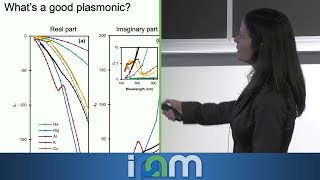
Electron and Optical Microscopy of Magnesium Nanoparticles - IPAM at UCLA
Explore advanced microscopy techniques for analyzing magnesium nanoparticles, including tomography, electron diffraction, and hyperspectral optical spectroscopy, with insights on plasmon resonances and photothermal effects.

Transverse Myelitis
Comprehensive overview of transverse myelitis, covering etiology, pathophysiology, clinical features, diagnosis, and treatment. Ideal for medical students and healthcare professionals seeking in-depth understanding of this neurological condition.

Ischemic Stroke - Case Study
Interactive lecture on diagnosing and managing ischemic stroke, offering practical insights for medical professionals and students interested in neurology and emergency medicine.