
Sympathetic and Parasympathetic Nervous System - Anatomy, Pharmacology Nursing
Comprehensive overview of autonomic nervous system anatomy, physiology, and pharmacology for nurses. Covers sympathetic and parasympathetic divisions, neurotransmitters, and related medications.
Emerging Aquatic Animal Viruses Lab Tour
Explore emerging aquatic animal viruses, lab techniques, and disease prevention in aquaculture with insights from international research and industry perspectives.

Type IV Hypersensitivity Reaction - Let's Make a Granuloma - Immunology
Explore Type IV Hypersensitivity Reactions and granuloma formation in this immunology lecture, covering clinical examples like poison ivy, tuberculosis, and sarcoidosis.
Type I Hypersensitivity Reaction - Asthma, Atopy, Anaphylaxis, Bee Sting - Immunology
Explore Type I Hypersensitivity Reactions, including asthma, atopy, and anaphylaxis. Learn about histamines, leukotrienes, and IgE in allergic responses and asthma pathophysiology.
Nerve Supply to Lacrimal Glands - Neuroanatomy
Comprehensive exploration of lacrimal gland innervation, covering brainstem pathways, nerve bundles, and sensory fibers. Enhances understanding of neuroanatomy for medical students and professionals.
Pons - Structure & Function - Neuroanatomy
Comprehensive exploration of the pons structure and function in neuroanatomy, covering its location, associated cranial nerves, and external anatomy from multiple perspectives.
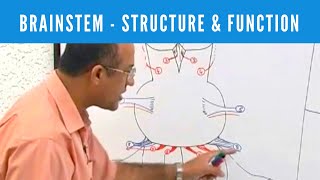
Brainstem - Structure & Function - Neuroanatomy
Comprehensive exploration of brainstem anatomy, including structure, function, and cranial nerve pathways. Detailed examination of midbrain, pons, medulla, and associated neural connections.

Hypothalamus - Structure & Function - Neuroanatomy
Comprehensive exploration of hypothalamus anatomy and physiology, covering structure, weight, and key components. Ideal for medical students seeking in-depth neuroanatomical understanding.

Innate Immunity - Complement System - Immunology
Comprehensive exploration of innate immunity and complement system, covering activation pathways, protein interactions, and immune responses. Ideal for medical students and professionals seeking in-depth immunology knowledge.

Jaundice - Part 1
Comprehensive exploration of jaundice, covering its definition, related conditions, bilirubin metabolism, and clinical correlations. Ideal for medical students seeking in-depth understanding of this common condition.

Basal Ganglia - Structure and Function - Neuroanatomy
Comprehensive exploration of basal ganglia structure, function, and related disorders. Covers anatomy, pathways, neurotransmitters, and clinical implications, including Parkinson's and Huntington's diseases.

Glycolysis - Metabolism
Comprehensive exploration of glycolysis, covering glucose transport, metabolic pathways, and energy production. Ideal for medical students seeking in-depth understanding of cellular metabolism and biochemistry.

Genetic Testing for Breast Cancer Susceptibility - Webinar - Ambry Genetics
Explore hereditary cancer genetics, testing technologies, and implications for breast and gynecologic cancers. Learn about key genes, risk factors, and the impact on medical management.
Inherited Cardiomyopathies - Genetic Heart Disease
Explore inherited cardiomyopathies, their genetic components, and management implications. Learn about diagnostic criteria, genetic testing, and clinical approaches for various heart conditions.

Familial Hypercholesterolemia - Genetic High Cholesterol - Webinar - Ambry Genetics
Explore genetic high cholesterol: symptoms, diagnosis, genetics, testing, and treatment. Learn about familial hypercholesterolemia and its impact on cardiovascular health.

Emphysema - COPD - Pulmonary Medicine
Comprehensive overview of emphysema, covering pathogenesis, diagnosis, and clinical aspects. Includes comparisons to COPD and insights on pulmonary function tests for effective understanding and management.

Flow Volume Loops - Pulmonary Medicine
Comprehensive exploration of flow-volume loops in pulmonary medicine, distinguishing obstructive and restrictive lung diseases through respiratory physiology analysis.

Lung Pressures - Intrapulmonary, Intrapleural and Transmural Pressures - Lung Physiology
Explore lung pressures, including intrapulmonary, intrapleural, and transmural pressures. Understand their roles in breathing mechanics and impact on venous return to the heart.

Lung Physiology Basics - Normal Quiet Breathing
Explore lung mechanics, including inspiration and expiration processes, muscle actions, and pressure changes during normal quiet breathing. Learn key concepts in pulmonary physiology.

Water and Body Fluid Compartments
Explore water distribution in the body, focusing on intracellular and extracellular fluids, plasma, and interstitial space. Learn about edema and effective arterial blood volume.
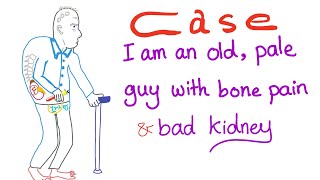
Case- Elderly Male With Bone Pain
Comprehensive review of multiple myeloma diagnosis, symptoms, imaging findings, lab results, complications, and treatment options for medical students and healthcare professionals.