Neurology - Trochlear Nerve: Cranial Nerve IV
Comprehensive exploration of the trochlear nerve's origin, course, function, and clinical relevance. Detailed analysis of cranial nerve IV's role in eye movement and associated disorders.

Special Senses - Pupillary Light & Accommodation Reflex
Comprehensive exploration of pupillary light and accommodation reflexes, including eye structure, vision problems, and mechanisms of light processing. Ideal for medical students and eye enthusiasts.

Special Senses - Eye Anatomy
Comprehensive exploration of eye anatomy, detailing structures and their functions. Includes clinical correlations for practical understanding of ocular physiology and potential pathologies.

Neurology - Oculomotor Nerve: Cranial Nerve III
Comprehensive exploration of the oculomotor nerve's anatomy, function, and clinical significance, covering its origin, course, innervation, and related syndromes.

Cardiovascular - Microcirculation
Explore the intricate world of microcirculation, examining blood flow through the smallest vessels and its crucial role in tissue perfusion and nutrient exchange.

Cardiovascular - Tunic Layers & Types of Capillaries
Explore tunic layers of blood vessels and types of capillaries, enhancing understanding of cardiovascular anatomy and physiology for medical students and professionals.

Cardiovascular - Cardiac Cycle
Comprehensive exploration of the cardiac cycle, including its phases, physiological processes, and related clinical conditions. Ideal for medical students and healthcare professionals seeking in-depth cardiovascular knowledge.
Cardiac Tumors
Comprehensive overview of cardiac tumors, covering primary and secondary types, invasion mechanisms, common tumors like atrial myxoma, diagnosis, and treatment options.
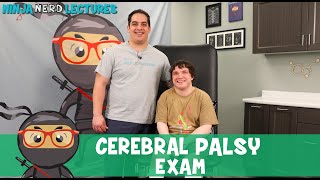
Cerebral Palsy Physical Exam
Comprehensive guide to conducting a neurologic physical exam on a patient with spastic quadriplegic cerebral palsy, highlighting key aspects and techniques for healthcare professionals.

Asthma - Clinical Features and Diagnosis
Comprehensive overview of asthma's clinical features and diagnostic criteria, including hallmark symptoms and pulmonary function tests for accurate identification and assessment.
Neurology - Cerebrum: Occipital Lobe Anatomy & Function
Explore the anatomy and function of the occipital lobe in the cerebral cortex. Learn about its role in visual processing and perception, enhancing understanding of brain structure and visual cognition.

Neurology - Spinal Cord: Golgi Tendon Organ Reflex
Explore the Golgi tendon organ reflex in this neurology lecture. Learn about its function, mechanism, and significance in spinal cord physiology and motor control.

Neurology - Spinal Cord Meninges
Comprehensive overview of spinal cord meninges, covering structure, function, and clinical relevance. Includes correction on spinal dura mater layers and offers detailed explanations for medical students and professionals.
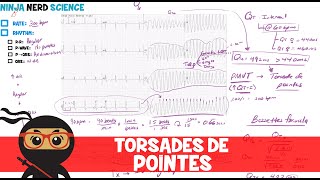
Rate and Rhythm - Torsades de Pointes
Comprehensive analysis of Torsades de Pointes ECG, including rate calculation, rhythm interpretation, and abnormality identification. Includes downloadable template for hands-on learning.

Rate and Rhythm - Premature Ventricular Contraction
Learn to interpret ECG rhythm strips, focusing on premature ventricular contractions (PVCs). Gain skills in calculating heart rate, analyzing rhythm, and identifying abnormalities in electrocardiograms.

Rate and Rhythm - Premature Atrial Contraction
Comprehensive explanation of premature atrial contractions in ECG, including rate calculation, rhythm interpretation, and abnormality detection. Includes downloadable templates for hands-on learning.

Rate and Rhythm - Supraventricular Tachycardia and Wolff-Parkinson-White Syndrome
Comprehensive analysis of supraventricular tachycardia and Wolff-Parkinson-White syndrome, including ECG interpretation, rate calculation, and rhythm assessment.
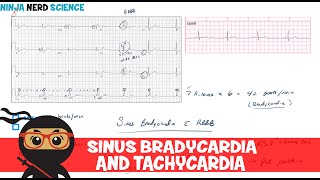
Rate and Rhythm - Sinus Bradycardia and Sinus Tachycardia
Comprehensive analysis of sinus bradycardia and tachycardia, including rate calculation, rhythm interpretation, and ECG strip abnormality detection. Includes downloadable templates for hands-on learning.

Rate and Rhythm - Junctional and Idioventricular Rhythm
Comprehensive analysis of junctional and idioventricular rhythms in ECG, including rate calculation, rhythm interpretation, and abnormality detection using real 12-lead ECG strips.

Neurology - Descending Tracts: Vestibulospinal Tract
Explore the medial and lateral vestibulospinal tracts in this neurology lecture. Learn about these descending spinal cord pathways and their role in maintaining balance and posture.

Circulatory System - Arteries of the Upper Limb - Flow Chart
Comprehensive flow chart presentation on upper limb arteries, detailing their branching patterns and anatomical relationships for a clear understanding of circulatory anatomy.