
Insulin Receptor Tyrosine Kinase - How Insulin Works
Explore the mechanism of insulin action through the Insulin Receptor Tyrosine Kinase, understanding its role in glucose metabolism and cellular signaling pathways.

Blood, Plasma, and Red Blood Cells - Physiology of Blood and Immune System
Comprehensive overview of blood components, focusing on plasma, red blood cells, and their physiological roles in the circulatory and immune systems.
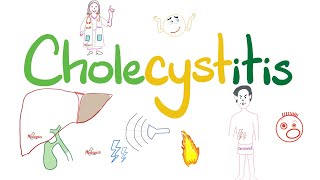
Cholecystitis - A Tale of One Cholelith - The Most Comprehensive Review
Comprehensive exploration of cholecystitis, covering symptoms, diagnosis, and treatment. Delves into gallstones, biliary disorders, and related complications for medical professionals and students.

Anatomy of Lower Limb - Quick Review
Comprehensive overview of lower limb anatomy, covering bones, muscles, nerves, and blood vessels. Ideal for medical students and healthcare professionals seeking a concise refresher.

The Placenta - Structure and Function - Biology
Explore placenta structure and function in human reproduction. Learn about its development, anatomy, and crucial roles in fetal growth, nutrient exchange, and hormone production.

Serum Ascites Albumin Gradient - Peritoneal Effusion - Lab
Comprehensive exploration of Serum Ascites Albumin Gradient (SAAG) and peritoneal effusion, covering causes, diagnosis, and clinical implications in liver and abdominal conditions.

Pharmacodynamics - Quick Review - Pharmacology Lectures
Quick review of pharmacodynamics, covering key concepts and mechanisms of drug action in the body. Ideal for medical students and healthcare professionals.
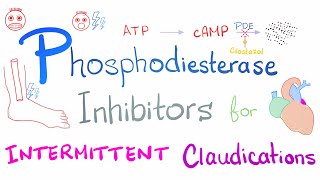
Intermittent Claudication Management
Explore phosphodiesterase inhibitors for managing intermittent claudication in peripheral arterial disease, improving blood flow and reducing symptoms in affected individuals.
Bones - Structure & Function - Anatomy
Comprehensive overview of bone structure, function, and composition, including osteoblasts, collagen types, and related clinical conditions like osteoporosis.
Cardiovascular & Respiratory Cases for USMLE - Anatomy, Physiology, Pathology, Microbiology, Pharmacology
Comprehensive review of cardiovascular and respiratory systems for USMLE Step 1, covering anatomy, physiology, pathology, microbiology, and pharmacology through TrueLearn cases.
Paget Disease of Bone - Osteitis Deformans - With a Mnemonic
Comprehensive overview of Paget's disease, covering pathophysiology, clinical features, diagnosis, and treatment. Includes mnemonic for easy recall of key concepts in bone pathology.

Gastrointestinal Secretions - Hormones - GI Physiology Series
Comprehensive overview of gastrointestinal hormones and their roles in digestive system physiology, ideal for medical exam preparation and understanding endocrine functions in the alimentary canal.
Nephrotic and Nephritic Syndrome - Quick Review - Nephrology & Pathology
Comprehensive overview of nephrotic and nephritic syndromes, covering key features, causes, and diagnostic criteria for these kidney disorders. Ideal for medical students and professionals.
Nephritic Syndrome - APSGN, RPGN, IgAN, Alport - Quick Review
Comprehensive overview of nephritic syndrome, covering APSGN, RPGN, IgAN, and Alport syndrome. Explores pathology, symptoms, and key features of each condition for medical students and professionals.
The Skin - The Largest Organ of Your Body - Anatomy & Histology
Explore the anatomy and histology of the skin, the body's largest organ. Learn about its structure, functions, and importance in protecting and regulating the human body.
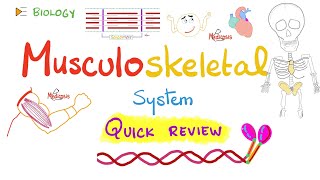
Review of Musculoskeletal System - Bones and Muscles - Biology Lecture Series
Comprehensive overview of musculoskeletal system anatomy and physiology, covering bone structure, Haversian system, tissue remodeling, and muscle function for medical exam preparation.
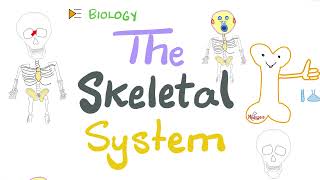
The Skeletal System - Bone, Cartilage, Joint & Ligament - Biology
Comprehensive overview of the skeletal system, covering bones, cartilage, joints, and ligaments. Ideal for medical students preparing for various exams and healthcare professionals seeking a refresher.

Kidney Physiology High-Yields - Quick Review
Comprehensive overview of kidney physiology essentials for medical exams. Covers key concepts and high-yield topics to enhance understanding of renal function and mechanisms.
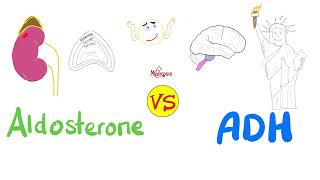
Aldosterone vs Antidiuretic Hormone - Kidney Physiology Basics
Comprehensive comparison of aldosterone and antidiuretic hormone (ADH) in kidney physiology, exploring their roles in fluid balance, electrolyte regulation, and blood pressure control.

Kidney Physiology Introduction
Comprehensive introduction to kidney physiology, covering embryology, anatomy, and basic nephrology concepts for medical exams like MCAT, USMLE, and NEET.
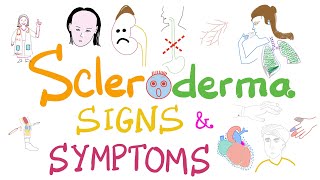
Scleroderma Pathogenesis and Clinical Manifestations - Detailed Explanation
Comprehensive exploration of scleroderma's pathogenesis and clinical manifestations, including Raynaud's phenomenon, organ involvement, and associated complications. Ideal for medical students and healthcare professionals.