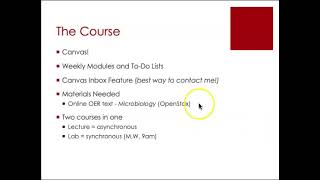
Microbiology Summer Course
Comprehensive microbiology series covering cell biology, microbes, biochemistry, genetics, immunology, and epidemiology. Includes lectures and lab sessions for in-depth understanding of microorganisms and their impact.

How to Sleep Better
Learn effective techniques to improve sleep quality, manage anxiety, and overcome insomnia through practical strategies, meditation, and lifestyle adjustments.
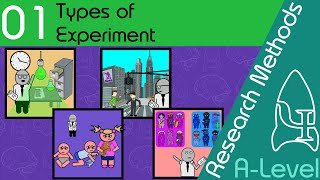
Research Methods - Psychology A-Level - AQA Paper 2
Comprehensive revision of research methods for AQA A-level Psychology Paper 2, covering experimental designs, data collection techniques, statistical analysis, and scientific principles.
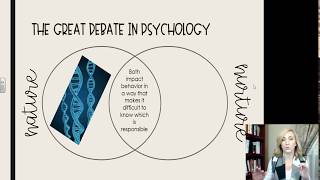
Development - AP Psychology Unit 6
Comprehensive exploration of human development stages, from prenatal to adulthood, covering genetic and environmental influences for AP Psychology students.

Mental Health Disorder Comparisons
Comprehensive exploration of distinctions between various mental health disorders, focusing on symptoms, diagnoses, and treatment approaches for better understanding and differentiation.

Personality Disorders
Explore various personality disorders, their characteristics, differences, causes, and related concepts in mental health through comprehensive comparisons and detailed explanations.
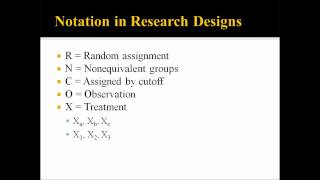
Research Methods in Counseling
Explore research methodologies in counseling, covering designs, variables, validity, statistics, and writing techniques. Gain insights into key psychological concepts and their applications in the field.

Developmental Psychology
Explore key concepts in developmental psychology, from prenatal stages to adulthood, covering theories by Erikson, Piaget, Vygotsky, and more. Gain insights into human growth and behavior across the lifespan.

Psychology - Consciousness
Explore consciousness, sleep, dreams, and altered states in this comprehensive tutorial series covering key concepts, theories, and practical implications of human awareness.
Genetic Paternalism: Striking the Balance Between Expert Perspective and Patient Autonomy
Panel discussion exploring the balance between expert guidance and patient autonomy in genomics research and medicine, offering strategies for ethical decision-making and community engagement in healthcare.
Julia for Biologists - A Perspective on Speed, Abstraction, and Metaprogramming
Explore Julia's potential in biology: speed, abstraction, and metaprogramming for data analysis, modeling, and research. Learn practical examples and discover the Julia ecosystem for biologists.
Tomographic Image Reconstruction with Julia
Explore Julia's capabilities for tomographic image reconstruction, focusing on large-scale inverse problems and matrix-free methods. Learn about package ecosystems for different imaging techniques.
Macroscopic Models of Epidemic Dynamics - Week 6
Explore macroscopic epidemic models, transitioning from stochastic to deterministic approaches. Learn about SIR models, continuous-time dynamics, and differential equations in epidemiology.
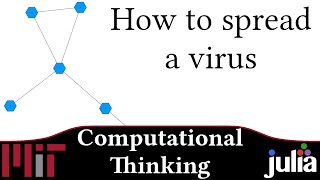
Graphs, Trees, and Spreading Disease - MIT 18.S191 Fall 2020 Week 5
Explore graph theory, tree traversal, and epidemic modeling using Julia programming, with hands-on demonstrations and practical applications in network analysis and disease spread simulation.
Concept Clearance - Analysis, Visualization and Informatics Lab-Space - AnVIL
Explore AnVIL's genomic data sharing platform, clinical research support, and cloud computing solutions. Learn about program renewals, key components, and future developments in this informative presentation.
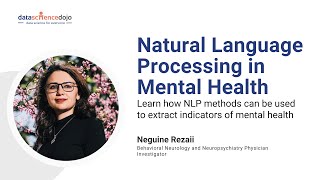
Natural Language Processing in Mental Health
Explore how natural language processing can extract mental health indicators from everyday language, aiding neuropsychiatry while considering potential risks and ethical implications.
JavaScript for Cancer Prevention Through Early Detection
Explore how JavaScript, TensorFlow.js, and React Native can enhance melanoma detection accuracy, aiding early skin cancer diagnosis and potentially saving lives through innovative technology.

Hyponatremia
Comprehensive exploration of hyponatremia, covering pathophysiology, types, diagnosis, and treatment strategies. Ideal for medical students and healthcare professionals seeking in-depth understanding.

Antiplatelet, Anticoagulant, Thrombolytic Agents
Comprehensive exploration of antiplatelet, anticoagulant, and thrombolytic agents, covering mechanisms, clinical applications, adverse effects, monitoring, and reversal strategies for healthcare professionals.

Antiarrhythmic Drugs
Comprehensive exploration of antiarrhythmic medications, covering cardiac physiology, drug classes, indications, and adverse reactions, with practice problems for enhanced understanding.

Drugs for Heart Failure
Comprehensive exploration of heart failure drugs, covering pathophysiology, treatment options, and management strategies. Includes practice problems for mastery of this critical topic.