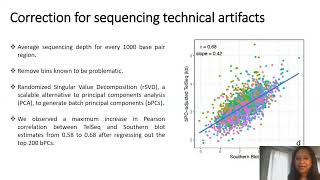
Sequencing the Genome: From Genotype to Phenotype and Extras in Between
Explore genome sequencing, from genotype to phenotype, with a focus on telomere length and its implications for aging, disease, and health disparities in minority populations.
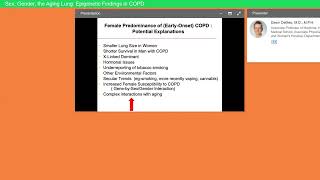
Sex, Gender, the Aging Lung - Epigenetic Findings in COPD
Explore sex and gender differences in COPD, focusing on epigenetic findings related to disease susceptibility, severity, and aging. Gain insights from a respiratory epidemiologist on this leading cause of death.
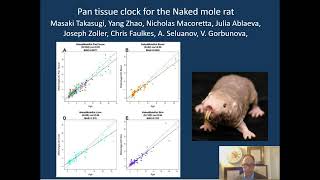
Epigenetic Aging Studies in Mammals - Universal DNA Methylation Clocks and Lifespan
Explore epigenetic clocks in mammals, their accuracy across species, and implications for aging research. Gain insights into DNA methylation's role in biological aging and lifespan.
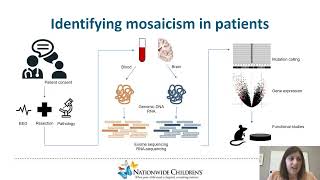
Deciphering Brain Mosaicism with Long-read Sequencing
Explore how somatic mutations in brain development contribute to neurodevelopmental disorders using integrated single-cell and long-read RNA sequencing techniques.
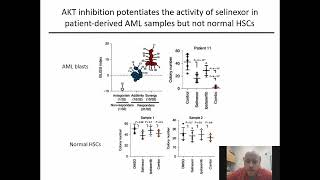
Functional Genomic Interrogation of Tumor Evolution
Explore tumor evolution using genomics and cell signaling. Uncover cancer cell death regulation, survival mechanisms, and drug resistance pathways. Gain insights into potential therapeutic targets.
Cell Validation and Drug-Induced Liver Injury Using a Human Liver Microphysiological System
Explore predictive human liver models for drug development using microphysiological systems. Learn about cell validation and drug-induced liver injury assessment to improve preclinical testing accuracy.
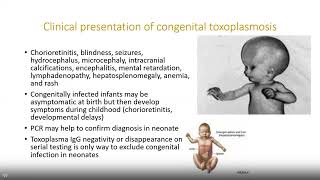
Role of Serology for Congenital Infections and Vaccine-Preventable Diseases in Prenatal Settings
Explore serology's role in preventing prenatal infections, identifying maternal immune status, and guiding vaccinations. Learn how testing aids in diagnostic workups and behavior modifications for pregnant women.
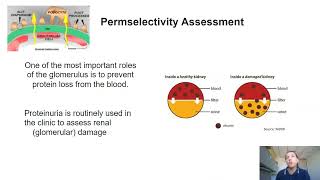
The Glomerulus-On-A-Chip as a Platform for Disease Modeling, Drug Screening, Biomarker Discovery and Mechanistic Studies
Explore the glomerulus-on-a-chip platform for kidney disease modeling, drug screening, and biomarker discovery. Learn about microfluidic systems in renal research and their potential impact.
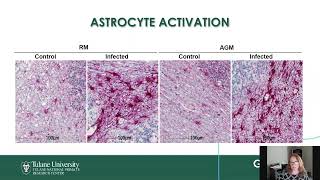
Neuropathology of SARS-CoV-2 Infection in Aged Non-human Primates
Explore SARS-CoV-2's neurological impact through aged non-human primate studies. Gain insights into brain effects, risk factors, and implications for patient care and follow-up treatment.
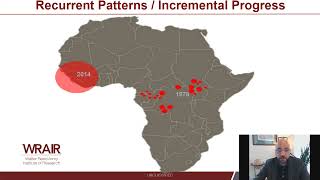
Toward Universal Coronavirus Vaccines: From Concept to Clinic
Explore the development of a broadly protective coronavirus vaccine, from design to clinical trials. Learn about SpFN's potential to combat multiple sarbecovirus lineages and future pandemic threats.
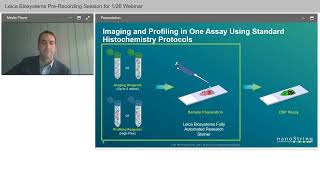
Fully Automated Workflows for High-Plex Multi-omic Profiling with GeoMx Digital Spatial Profiler
Explore automated workflows for high-plex multi-omic profiling using GeoMx® Digital Spatial Profiler and BOND RX/RXm Research Stainer, enhancing throughput and reproducibility in translational research.
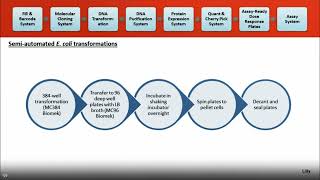
Single Cell Antibody Discovery Using Islands of Automation
Explore advanced automation techniques for single cell antibody discovery, focusing on Eli Lilly's 'Islands of Automation' approach to accelerate drug development timelines and increase research efficiency.
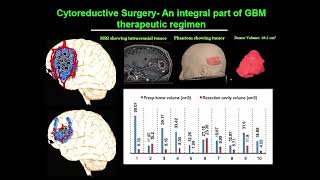
Innovation in Science and Technology: Translating Cellular Therapies from Bench to Bedside
Explore strategies for developing cellular therapies through gene editing and learn to create and validate tumor models for clinical translation of therapeutic cells.
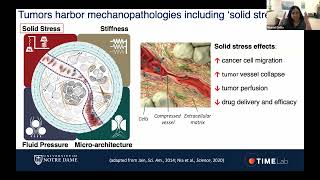
Abnormal Mechanics in Brain Tumors: Implications for Immunotherapy
Explore abnormal mechanics in brain tumors and their impact on immunotherapy efficacy, focusing on solid stress measurement, neurological effects, and potential treatment strategies.

Animal and Snake Bites - Clinical Nursing Care
Learn to manage animal and snake bites, including mechanical injuries, infections, and envenomation. Gain essential clinical nursing skills for effective patient care and treatment of various bite-related complications.
Freeing Scientists to Explore: The Role of Curiosity in Cancer Research
Explore the impact of curiosity-driven research on cancer breakthroughs. Uncover stories from DNA sequencing to tyrosine phosphorylation, and learn why nurturing scientific curiosity is crucial for future treatments.
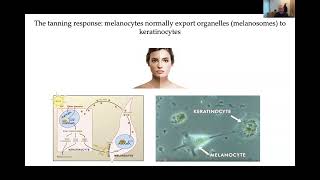
What Determines Oncogenic Competence?
Explore factors influencing cancer cell development and progression through insights on oncogenic competence from Oxford researcher Richard White.
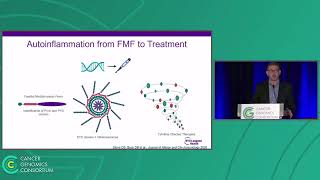
Somatic Mutations and Their Contribution to Bone Marrow Failure and Inflammation
Explore somatic mutations' role in bone marrow failure and inflammation. Gain insights from David Beck's keynote on cancer genomics and its impact on patient diagnosis and treatment.
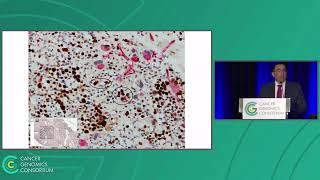
TP53 Alterations in Myelodysplastic Neoplasms and Acute Myeloid Leukemia
Explore TP53 alterations in myelodysplastic neoplasms and acute myeloid leukemia, gaining insights from expert Joseph Khoury at the CGC 2023 Annual Meeting.
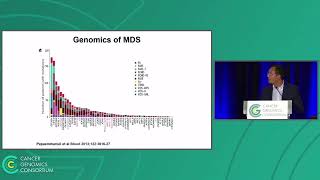
Incorporating Genomic Information in the Treatment of MDS
Explore genomic information's role in treating Myelodysplastic Syndrome (MDS). Gain insights into cutting-edge approaches for accurate diagnosis and personalized therapy in cancer genomics.
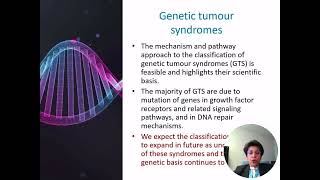
WHO/IARC Overview and CGC Collaboration
Explore WHO/IARC's collaboration with CGC, focusing on best practices in clinical cancer genomics and accurate diagnosis for targeted therapy.