
The Issues We Face at the Nano Scale
Explore nanoscale biology, artificial structures, and machines, including applications in cancer treatment, antibiotics, and organ modification. Learn about interdisciplinary cooperation in nanotechnology's future.

Psychedelic Therapy for Depression: Hope or Hype?
Explore the potential of psychedelic therapy for depression, examining scientific evidence, placebo effects, and historical context. Gain insights into the benefits, risks, and accessibility of this emerging treatment approach.
Getting Older Without Getting Old - The Science of Ageing
Explore groundbreaking research on slowing or stopping the aging process, and its potential to revolutionize medicine and transform human longevity with scientist Andrew Steele.
How Do Pathogens Cause Disease and How Can We Fight Them?
Explore how viruses, bacteria, fungi, and protozoa infect the body and strategies to combat them. Learn about respiratory infections and cutting-edge research in infectious diseases.

Absorption - How You Benefit From What You Eat
Explore the digestive system's process of breaking down and absorbing nutrients from carbohydrates, fats, and proteins, enhancing your understanding of how food benefits your body.
Liver and Gallbladder - Digestive System
Comprehensive exploration of liver and gallbladder anatomy, histology, and physiology. Covers bile acids, micelles, and chylomicrons in the digestive process. Essential for gastroenterology understanding.
The Exocrine Pancreas - Enzymes
Explore the exocrine pancreas function, focusing on digestive enzymes and their role in breaking down proteins, fats, and carbohydrates in the gastrointestinal system.
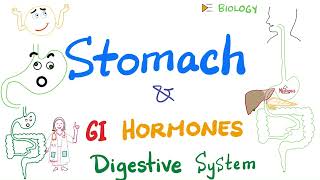
Digestion in the Stomach - GI Hormones - Gastric Motility and Secretion - Gastroenterology
Explore stomach digestion, gastric motility, and GI hormones. Learn about digestive processes, gastrointestinal physiology, and related disorders for a comprehensive understanding of gastroenterology.
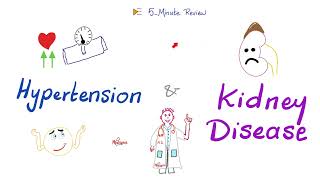
Hypertension and Kidney Disease - Renovascular Hypertension vs Hypertensive Nephropathy
Explore the intricate relationship between hypertension and kidney disease, focusing on renovascular hypertension and hypertensive nephropathy. Learn about causes, mechanisms, and distinctions between these conditions.
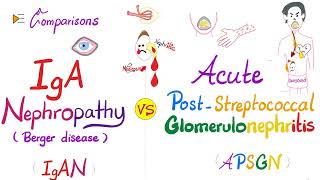
IgA Nephropathy vs Acute Post-Streptococcal Glomerulonephritis
Comprehensive comparison of IgA Nephropathy and Acute Post-Streptococcal Glomerulonephritis, exploring key differences in pathology, symptoms, and treatment for medical professionals and students.
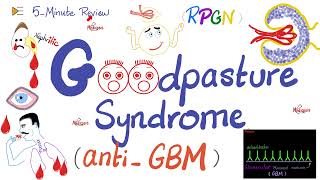
Goodpasture Syndrome - Anti-Glomerular Basement Membrane Antibody Disease - Nephrology
Comprehensive overview of Goodpasture Syndrome, exploring autoantibodies against type IV collagen in alveoli and glomeruli, causing hemoptysis and hematuria. Covers pathophysiology and clinical manifestations.
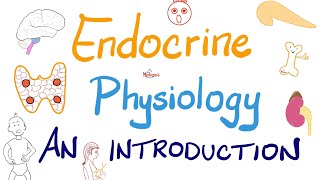
Endocrine Physiology - Endocrinology
Comprehensive exploration of endocrine system functions, hormonal mechanisms, and physiological processes. Builds on Part 1 to deepen understanding of endocrinology for medical students and professionals.
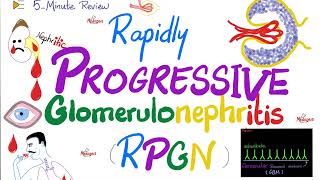
Rapidly Progressive Glomerulonephritis - Cresenteric - Nephritic Syndrome Subtypes
Comprehensive overview of Rapidly Progressive Glomerulonephritis, covering subtypes, pathophysiology, and clinical features. Ideal for medical students preparing for exams or healthcare professionals seeking a refresher.
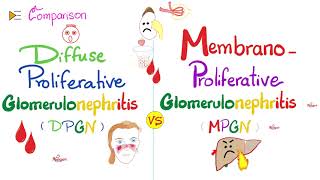
Diffuse Proliferative Glomerulonephritis vs Membranoproliferative Glomerulonephritis - DPGN vs MPGN
Explore key differences between DPGN and MPGN, two subtypes of nephrotic-nephritic syndrome. Learn pathophysiology, clinical features, and diagnostic criteria for these glomerular diseases.
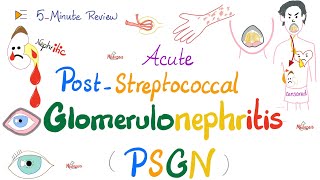
Acute Post-Streptococcal Glomerulonephritis - Nephritic Syndrome - Kidney Pathology
Comprehensive overview of Acute Post-Streptococcal Glomerulonephritis, covering pathophysiology, clinical presentation, diagnosis, and management of this nephritic syndrome.
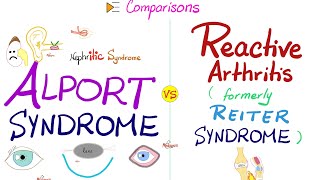
Alport Syndrome vs Reactive Arthritis - Nephritis vs Arthritis - 2 Triads - Comparisons
Comprehensive comparison of Alport Syndrome and Reactive Arthritis, exploring their triads, symptoms, and key distinctions to enhance understanding of these complex medical conditions.
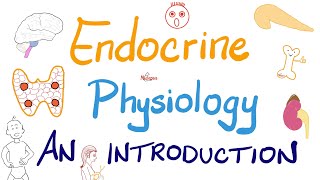
Endocrine Physiology - Introduction - Endocrinology Series
Comprehensive introduction to endocrine physiology, covering key concepts and fundamentals of the endocrine system and its role in maintaining bodily functions.
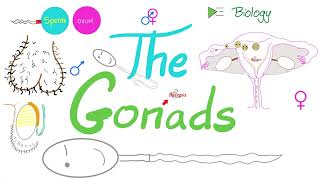
The Gonads - Ovaries and Testes - Endocrine System - Biology Lecture Series
Comprehensive overview of gonadal endocrine function, covering hormone production, regulation, and effects on reproductive physiology for medical exam preparation.

The Thyroid Gland and the Thyroid Hormone - T3 & T4
Comprehensive overview of thyroid gland anatomy, hormone production, and regulation. Covers T3, T4, thyroglobulin, TSH, and iodine metabolism. Essential for medical exam preparation and endocrinology understanding.

Insulin Receptor Tyrosine Kinase - How Insulin Works
Explore the mechanism of insulin action through the Insulin Receptor Tyrosine Kinase, understanding its role in glucose metabolism and cellular signaling pathways.

Blood, Plasma, and Red Blood Cells - Physiology of Blood and Immune System
Comprehensive overview of blood components, focusing on plasma, red blood cells, and their physiological roles in the circulatory and immune systems.