
Adrenergic Drugs - Part 1: Mechanisms and Sympathomimetics
Comprehensive exploration of adrenergic drugs, covering mechanisms, classifications, and effects on the sympathetic nervous system. Ideal for medical students and healthcare professionals.

Antipsychotic Drugs - Typical vs Atypical Pharmacology
Comprehensive exploration of antipsychotic medications, comparing typical and atypical types, their mechanisms, effects, and clinical applications in treating psychosis and related disorders.

Mastering Jugular Venous Pulse (JVP) - Cardiology Essentials
Comprehensive exploration of Jugular Venous Pulse (JVP) in cardiology, covering waveforms, measurement techniques, abnormalities, and clinical significance for cardiovascular disease diagnosis.

Antihypertensive Drugs - Pharmacology
Comprehensive exploration of antihypertensive medications, their mechanisms, types, and clinical applications. Learn how these drugs effectively manage high blood pressure through various physiological pathways.

Endocarditis - Cardiac Pathology
Comprehensive exploration of endocarditis, covering pathology, clinical manifestations, diagnosis, and management strategies. Emphasizes antimicrobial therapy and surgical interventions for complicated cases.
AntiCholinergic and Parasympatholytic Drugs
Comprehensive exploration of anticholinergic drugs, their mechanisms, and effects on the nervous system. Covers parasympatholytic agents, receptor interactions, and clinical applications.

Functions of Kidneys - Physiology and Structure
Comprehensive exploration of kidney physiology, structure, and functions, covering nephron processes, waste excretion, and urine production. Ideal for medical students and professionals.
Hemolytic Anemia - Hematology Part 2
Comprehensive exploration of hemolytic anemia, covering causes, symptoms, and long-term effects. Delves into intravascular and extravascular hemolysis, classification, and potential complications like gallstones and pulmonary hypertension.
RBC Indices: Hemoglobin, Hematocrit, MCV, MCH, and MCHC - Part 2
Comprehensive exploration of red blood cell indices, including hemoglobin, hematocrit, MCV, MCH, and MCHC. Learn to interpret these values for diagnosing and differentiating types of anemia.
RBC Indices: Hemoglobin, Hematocrit, MCV, MCH, and MCHC - Part 1
Comprehensive explanation of red blood cell indices, including hemoglobin, hematocrit, MCV, MCH, and MCHC. Learn to interpret these values for diagnosing different types of anemia.

Female Reproductive Cycle - Menstrual Cycle and Hormones
Comprehensive exploration of the female reproductive cycle, covering hormonal changes, follicular development, ovulation, and uterine phases, with clinical correlations and fertilization process.
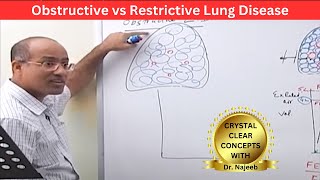
Obstructive vs Restrictive Lung Disease - Pulmonary Function Test Analysis
Comprehensive exploration of obstructive and restrictive lung diseases, focusing on their characteristics, causes, and diagnostic methods using pulmonary function tests and spirometry findings.

Metronidazole - Antibiotic Mechanism of Action
Comprehensive exploration of metronidazole's mechanism of action, covering its definition, role of ferredoxin, and chemical reactions involved in this antibiotic's effectiveness against infections.
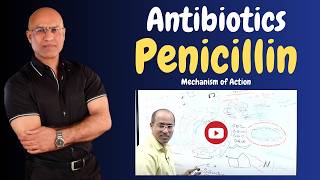
Penicillin - Mechanism of Action and Pharmacology
Comprehensive exploration of penicillin's history, mechanism, uses, and clinical significance. Covers discovery, types, spectrum of activity, and resistance, providing valuable insights for medical professionals and students.

Hypothalamus - Anatomy, Structure, and Function in Neurology
Comprehensive exploration of hypothalamus anatomy, structure, and function in neurology. Covers its role in homeostasis, endocrine regulation, and autonomic control, emphasizing its importance in maintaining bodily balance.

RBC Indices and Anemia: Understanding Hemoglobin, MCV, MCH, MCHC, and RDW
Comprehensive exploration of red blood cell indices, including MCV, MCH, MCHC, and RDW, essential for understanding anemia and hemoglobin-related disorders in hematology.
Hemolytic Anemia Classification in Hematology
Comprehensive exploration of hemolytic anemia, covering classification, causes, and mechanisms. Detailed breakdown of extra-erythrocytic disorders and red blood cell abnormalities leading to this condition.

Drugs for Parkinson's and Alzheimer's Diseases - Pharmacology Part 2
Comprehensive exploration of pharmacological treatments for Parkinson's and Alzheimer's diseases, focusing on mechanisms, efficacy, and side effects of various drug classes used in managing these neurological disorders.
Drugs Used in Parkinson's and Alzheimer's Diseases - Pharmacology Part 1
Comprehensive exploration of pharmacological treatments for Parkinson's and Alzheimer's diseases, focusing on pathways, mechanisms, and motor symptoms. Ideal for medical students and professionals.

Technological and Privacy Challenges in the COVID-19 Era
Laura Irvine discusses technological and privacy challenges in the COVID-19 era, drawing on her expertise in data protection and information law to explore implications for both public and private sectors.
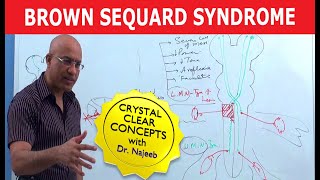
Brown-Sequard Syndrome - Internal Medicine
Comprehensive exploration of Brown Sequard Syndrome, covering pathophysiology, clinical presentation, diagnosis, and management strategies in internal medicine.