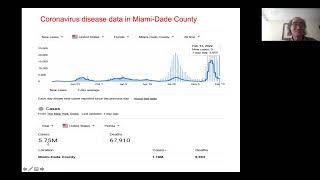
The Influence of Human Behavior and Social Factors on the Spread of Infectious Diseases
Explore how human behavior and social factors impact infectious disease spread, covering topics like social inequality, anti-vaccine movements, and psychological influences on public health.

Modelling COVID-19 Vaccination and Immunity Panel Discussion
Expert panel explores COVID-19 vaccination strategies, immunity dynamics, and challenges in modeling the pandemic's long-term effects, offering insights for public health decision-making.
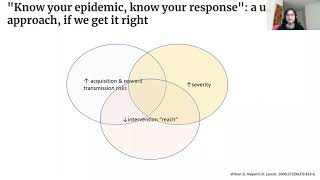
Do No Harm - Terminology, Assumptions, and Interpretation of Epidemic Models in Communities Most Affected
Exploring ethical considerations in epidemic modeling, focusing on terminology, assumptions, and interpretation to avoid stigmatization and promote equitable public health responses.

What the Numbers Say: Delta and the Classroom
Experts discuss Delta variant's impact on classrooms, examining statistics, ventilation, outbreak protocols, and safety measures for unvaccinated children as schools reopen amid the fourth wave.
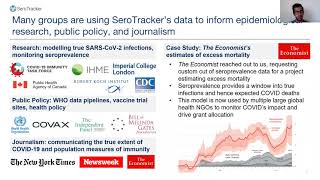
SARA-CoV-2 Seroprevalence Studies for Immunity Modelling
Explore SARS-CoV-2 seroprevalence studies, their impact on immunity modeling, and key considerations in data analysis and interpretation.
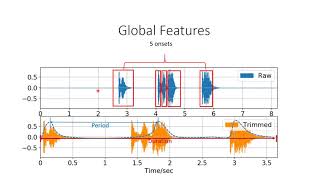
Exploring Automatic Diagnosis of COVID-19 from Crowdsourced Respiratory Sound
Explore automatic COVID-19 diagnosis using crowdsourced respiratory sounds. Learn about data collection, symptom correlation, and detection techniques in this cutting-edge research presentation.
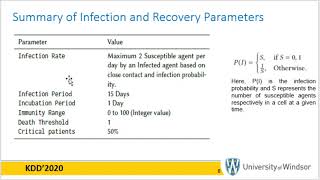
Simulating the Impact of Hospital Capacity and Social Isolation to Minimize the Propagation of Infectious Diseases
Explore simulation models for infectious disease spread, examining hospital capacity and social isolation impacts. Learn strategies to minimize propagation through agent-based modeling and experimental analysis.
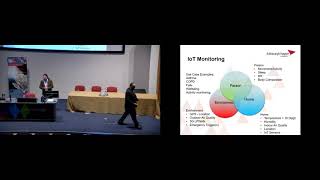
Shifting Concepts of Frailty, Adrian Smales
Explore evolving frailty concepts, telemetry cycles, and domains like sleep and exercise. Learn about medical networks and device integration for comprehensive health monitoring.

Acute Lymphoblastic Leukemia - ALL
Comprehensive overview of Acute Lymphoblastic Leukemia, covering hematopoiesis, pathophysiology, diagnosis, and treatment. Ideal for medical students and healthcare professionals seeking in-depth understanding of ALL.
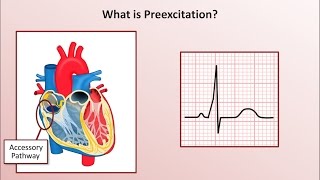
Advanced EKGs - Wolff-Parkinson-White Syndrome
Comprehensive exploration of Wolff-Parkinson-White syndrome, covering pathophysiology, EKG features, arrhythmias, and accessory pathway localization for medical professionals.
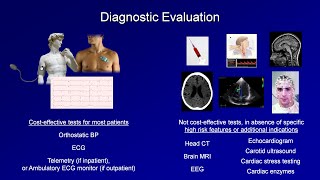
Syncope
Comprehensive review of syncope, covering definition, causes, and efficient evaluation methods. Explores clinical subtypes, diagnosis, prognosis, and diagnostic testing for fainting episodes.
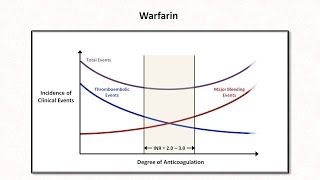
Anticoagulation & Thrombolytics: Hemostasis
Comprehensive exploration of anticoagulants and thrombolytics, covering indications, mechanisms, pharmacology, and side effects for various medications used in managing blood clotting disorders.
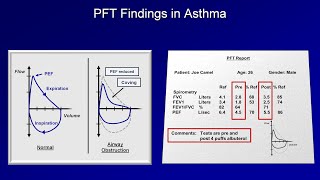
Asthma and COPD: Stable Disease - Diagnosis and Management
Comprehensive overview of asthma and COPD diagnosis, staging, and treatment, including pharmacological approaches and drug indications for effective management.
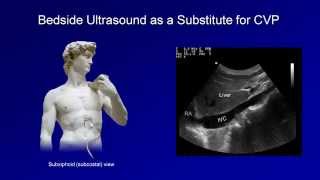
Shock - Distinguishing Shock Types - Hypovolemic, Distributive, Cardiogenic, Obstructive
Learn to identify shock subtypes using physical exams, ultrasound, and other techniques. Explore alternatives to PA catheters for accurate diagnosis and treatment in critical care settings.

An Overview of Fungal Infections
Learn about various fungal infections, their classifications, risk factors, and diagnostic approaches. Explore superficial, mucocutaneous, deep primary, and opportunistic infections caused by different fungi.
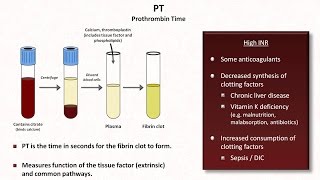
Hemostasis - Tests - INR, PTT, Platelets, Fibrinogen, D-Dimer
Comprehensive overview of key hemostasis tests, their interpretation, and clinical applications in diagnosing bleeding disorders and coagulation abnormalities.
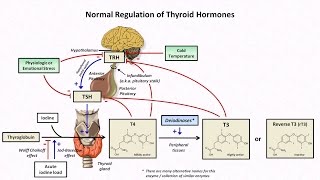
Thyroid Hormones and Thyroid Function Tests
Comprehensive overview of thyroid hormone regulation, function, and test interpretation, covering synthesis, regulatory mechanisms, and analysis of thyroid function tests for medical professionals.
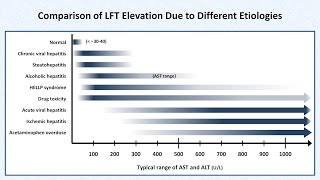
Interpretation of Liver Function Tests
Comprehensive review of liver function tests, exploring normal physiology, causes of abnormalities, and diagnostic patterns for various liver conditions. Equips learners with essential knowledge for interpreting LFTs.
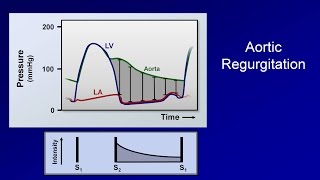
Cardiac Auscultation
Learn to identify heart sounds and murmurs through comprehensive audio-visual instruction, enhancing your cardiac auscultation skills for improved patient care.
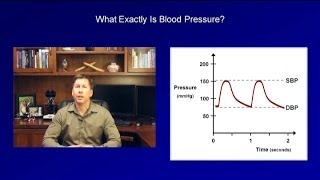
Hypertension - An Introduction to High Blood Pressure
Learn about hypertension's definition, risk factors, and physiological mechanisms. Explore primary and secondary hypertension, including the renin-angiotensin-aldosterone system and sympathetic nervous system's roles.

Intro to EKG Interpretation - Overview of Tachyarrhythmias
Learn to identify and understand six common tachyarrhythmias through EKG interpretation, including their mechanisms, causes, and characteristics.