
Pharmacology - Drugs for Hyperlipidemia
Comprehensive overview of lipid-lowering medications, their mechanisms, and effects on hyperlipidemia. Covers various drug classes, from statins to omega-3 fatty acids, with insights on pathophysiology and treatment strategies.

Pharmacology - Diuretics Made Easy
Comprehensive overview of diuretic medications, their mechanisms of action, and effects on the nephron. Covers various types of diuretics and their clinical applications in renal and cardiovascular disorders.

Density Dependence and Disease Dynamics - A Cross System Synthesis
Explore density dependence in disease dynamics across systems, examining spatial patterns, host behavior, and environmental factors influencing pathogen transmission and population health.

COVID-19 Therapy Session: Managing Fear and Anxiety During a Pandemic
Practical advice for managing COVID-19 anxiety, focusing on embracing emotions, recognizing personal strengths, helping others, and finding meaning in shared global experiences.

The Evolution of Aging, the Great Transition, and the Increasing Risk of Chronic Disease
Explore aging's evolution, the Great Transition's impact on human biology and culture, and the increasing risk of chronic diseases in modern societies.
Humanity's Deadliest Diseases - A Historical Perspective
Experts explore history's deadliest diseases, including HIV, influenza, smallpox, and the Black Death, examining their evolution, impact, and far-reaching consequences on individuals and societies.

Addressing Child Survival Globally
Explore global child survival strategies, Millennium Development Goals progress, and future challenges with expert Dr. Zulfiqar Bhutta. Gain insights on international efforts to reduce child mortality and improve maternal health worldwide.

Disasters and Child Mental Health
Experts discuss the impact of disasters on children's mental health, focusing on underserved communities, and explore best practices for treatment and prevention of mental illness in children.
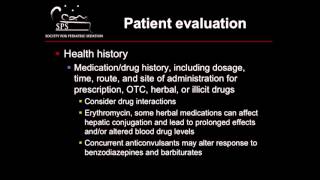
Pre-Sedation Assessment Phase
Comprehensive guide to patient selection and risk assessment for pediatric sedation, covering sedation levels, patient factors, provider skills, equipment needs, and medication planning for safe procedures.
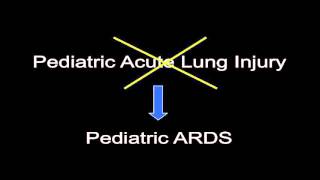
Pediatric Acute Lung Injury Consensus Conference
Comprehensive update on pediatric acute lung injury consensus, covering definition, epidemiology, pathophysiology, treatment strategies, and outcomes. Highlights international expert collaboration and evidence-based recommendations.
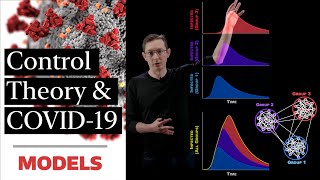
Control Theory and COVID-19: Models
Explores modeling techniques for infectious diseases like COVID-19, emphasizing their importance in control efforts. Discusses imperfect models' utility and various resources for understanding disease spread.
Rwandan National Neonatal Protocol - Respiratory Care
Comprehensive guide on identifying and treating respiratory distress in newborns, featuring overview, common conditions, case studies, and summary. Essential for healthcare providers caring for critically ill infants.

Distraction Free Practice in the Home Setting
Learn strategies to reduce medication errors at home through the "Red Zone At Home" initiative, focusing on distraction-free practices for improved patient safety.
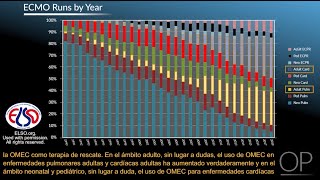
Updates in ECMO
Explore global ECMO expansion, challenges, and future solutions with Dr. Heidi Dalton. Learn about the latest developments in this critical care technique for healthcare professionals treating critically ill children.

Ethical Challenges of Clinical Research in Babies
Dr. Wilfond explores ethical challenges in NICU research, covering standardization, informed consent, ethical benchmarks, and randomized clinical trials, with real-world applications for healthcare professionals.
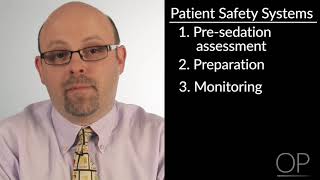
Procedural Sedation and Analgesia in Children
Comprehensive overview of pediatric sedation and analgesia, covering indications, safety systems, and pharmacology. Essential for healthcare providers managing critically ill children across various resource settings.

The Healthy Work Environment Assessment Tool
Explore research on applying the Healthy Work Environment Assessment Tool across nursing specialties and healthcare professions, discussing its impact on workplace health.
Rwandan Neonatal Care and the Development of the Non-Electric Infant Warmer
Explore neonatal care challenges in Rwanda and learn about an innovative non-electric infant warmer designed to combat hypothermia, complementing Kangaroo Mother Care and improving newborn health outcomes.
Rwandan National Neonatal Protocol - Infectious Diseases
Comprehensive overview of neonatal infectious diseases, covering risk factors, diagnosis, and management. Equips healthcare providers with essential knowledge for treating serious bacterial infections in newborns.
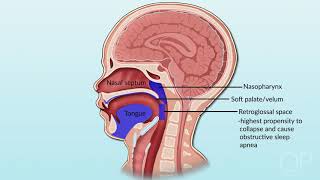
NIPPV for Sleep Dysregulated Breathing and Sleep Apnea
Comprehensive overview of non-invasive positive pressure ventilation for pediatric sleep apnea, covering CPAP, BiPAP, and mask types. Ideal for healthcare professionals treating children with sleep-disordered breathing.
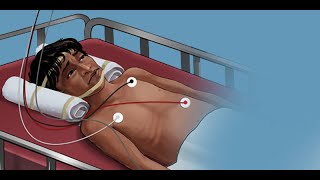
Basics of Pediatric Trauma Assessment and Management
Learn pediatric trauma assessment, including leading causes, evaluation steps, and case studies. Enhance skills in managing critically injured children across various healthcare settings.