
Lung Cancer - The Most Comprehensive Explanation
Comprehensive explanation of lung cancer, covering diagnosis, types, complications, prognosis, and management. Includes insights on related syndromes and risk factors like cigarette filters and asbestos.

Pleural Effusion - Transudate or Exudate - Pulmonology
Comprehensive overview of pleural effusion, covering types, causes, diagnosis, and differentiation between exudate and transudate. Includes mnemonics and visual aids for better understanding.

Langerhans Cell Histiocytosis and Lymphangioleiomyomatosis
Explore rare lung diseases LCH and LAM, their characteristics, and clinical implications. Learn key differences, diagnostic approaches, and treatment strategies for these complex conditions.
Asbestosis - Occupational Lung Disease - Restrictive Lung Disease - Pulmonology
Explore asbestosis, its causes, symptoms, and management in this comprehensive overview of occupational lung disease, focusing on diagnosis, complications, and preventive measures.
Bronchiectasis
Explore bronchiectasis: causes, symptoms, diagnosis, and management. Learn about epidemiology, complications, and treatment options for this chronic respiratory condition.
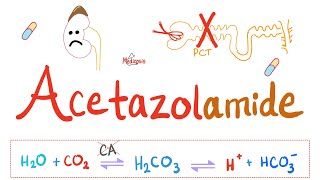
Carbonic Anhydrase Inhibitors
Explore carbonic anhydrase inhibitors' mechanism, effects, and clinical uses. Learn about their impact on electrolyte balance and potential side effects in this comprehensive overview.

The Coagulation Cascade - Most Comprehensive Explanation
Comprehensive explanation of the coagulation cascade, covering primary and secondary hemostasis, platelet function, and the roles of various coagulation factors in blood clotting.

Multiple Myeloma - A Malignancy of Plasma Cells
Comprehensive overview of multiple myeloma, covering pathogenesis, clinical features, and diagnostic aspects. Explores plasma cell dyscrasia, bone involvement, anemia, neurological symptoms, and kidney complications.

Antianginal Drugs Pharmacology - Dr Najeeb
Comprehensive exploration of antianginal drugs, covering mechanisms, types, and management strategies. Focuses on improving heart oxygenation and reducing cardiac workload for effective angina treatment.

Digestion and Absorption in the Small Intestines
Explore small intestine digestion and absorption processes, including pancreatic function, nutrient absorption mechanisms, and common digestive disorders like lactose intolerance.

White Blood Cells, Platelets and Hemoglobin
Comprehensive overview of white blood cells, platelets, and hemoglobin, covering their functions, characteristics, and related disorders in hematology.
Insulin Stan vs Glucagon Stan - A Tale of Two Hormones - Feeding vs Fasting
Explore the dynamic interplay between insulin and glucagon hormones, their roles in glucose regulation, and their effects on metabolism during feeding and fasting states.

G-Protein and G-Protein-Coupled Receptors - Cell Surface Receptor - Physiology - Endocrinology
Explore G-Protein and G-Protein-Coupled Receptors, key components in cell signaling. Learn about their structure, activation, and role in physiological processes like neurotransmission and hormone action.
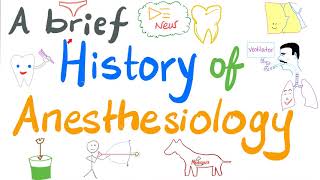
A Brief History of Anesthesiology
Explore the fascinating evolution of anesthesiology, from ancient Greece to modern practices. Learn about key discoveries and advancements that revolutionized pain management in medical procedures.
Implementation Guidance for Tumours of the Urinary Collecting System
Guidance on histopathological reporting for urinary system tumors, covering dataset changes, biomarker testing, grading, staging, and clinical considerations.
Biopsy Interpretation - Dr Hebah Ali
Comprehensive guide to biopsy interpretation in anatomical pathology, covering processes from sample collection to final report. Learn diagnostic techniques, artifact challenges, and effective reporting.
The Role of Intraoperative Consultation in Patient Management - Dr. Paul Cross
Explore intraoperative consultation techniques, their advantages, and applications in patient management, focusing on frozen sections and cytology for informed surgical decision-making.
Optimisation of Antibiotic Therapy in Critically Ill Patients - Dr Brendan Healy
Learn from Dr. Brendan Healy, a Consultant in Microbiology and Infectious Disease, about optimizing antibiotic therapy in critically ill patients.
Pathology - Presented by Dr Mike Osborn and Dr Brian Hanley
Explore histopathological features of COVID-19, including diffuse alveolar damage, viral tropism, and case presentations with expert pathologists Dr Osborn and Dr Hanley.
Cardiovascular Genetic Testing - Incorporating and Applying Results by Erin Miller and Amy Sturm
Explore cardiovascular genetic testing, result interpretation, and clinical applications through case studies, focusing on family history analysis and cascade testing implications.

Genetic Testing for Prostate Cancer - Advances and Considerations
Explore advances in genetic testing for prostate cancer, including risk prediction, precision therapies, and genetic counseling. Learn about implementation strategies and guidelines for germline testing in prostate cancer care.