
Initial Excision and Closure of Acute Burns
Comprehensive guide on acute burn management, covering evaluation, surgical preparation, excision techniques, donor site care, and graft fixation for healthcare professionals treating critically ill children.

Landmark Articles in Pediatric Cardiac Anesthesia
Dr. Barash explores pivotal anesthesia literature in pediatrics, covering game-changing concepts, echocardiographic analysis, and inhalation research, offering valuable insights for healthcare professionals.

Translating Evidence into Practice - The Johns Hopkins Nursing Experience
Dr. White discusses Johns Hopkins' Evidence-based Practice model, its impact on nursing care and patient outcomes, and strategies for creating an evidence-based environment in healthcare settings.
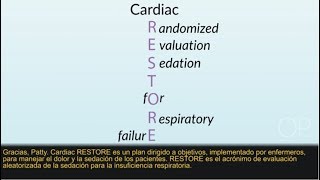
Cardiac RESTORE - Protocolized Sedation and Weaning for Pediatric Patients
Explore Cardiac RESTORE, an innovative protocol for weaning pediatric Cardiac ICU patients from pain and sedation medications, reducing exposure while managing withdrawal symptoms effectively.

Pediatric Sepsis - A Diagnosis That Could Save a Life
Explore recent developments in pediatric sepsis diagnosis, including impact, definition changes, identification across age groups, and differences from adult criteria.

Biomarkers and Enrichment for Sepsis Trials
Explore biomarkers and enrichment strategies for sepsis trials, focusing on the PERSEVERE risk model and its application in clinical research and patient stratification.
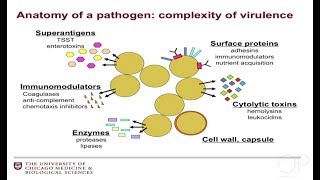
Understanding Pathogen Biology - Key New Therapies
Explore pathogen biology and innovative therapies for sepsis, focusing on Staphylococcus aureus α-toxin and its interaction with ADAM10, offering insights into targeted interventions for improved patient outcomes.

The Development and Evolution of Pediatric Critical Care Medicine
Explore the evolution of pediatric critical care through historical milestones, influential figures, and technological advancements in respiratory therapy and intensive care practices.

Global Health Nursing - Building Partnerships Worldwide
Experienced nurses share insights on global health partnerships, discussing effective collaboration strategies and models for international nursing in resource-limited settings.

Early Exposure to Anesthesia on the Developing Brain
Experts discuss anesthesia neurotoxicity in developing brains, exploring discovery, implications, alternatives, and safety considerations for pediatric patients undergoing surgery.

Helping Families Decide Best at the Worst Times
Strategies for effective communication with families during critical decision-making, focusing on emotional states and the Polyvagal Theory to improve healthcare outcomes.

Sedatives and Procedures
Explore therapeutic windows, pharmacokinetics, and pharmacodynamics of sedatives for procedures. Learn about various sedative drugs and their clinical applications in pediatric care.

Respiratory Assessment
Comprehensive guide to pediatric respiratory assessment, covering exam techniques, intubation considerations, and patient monitoring for healthcare professionals.
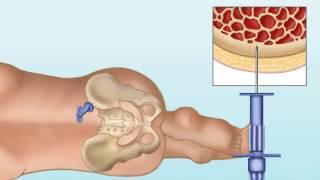
Graft-Versus-Host Disease
Comprehensive overview of graft-versus-host disease, covering pathophysiology, risk factors, clinical features, grading, prevention, and treatment strategies for healthcare providers caring for critically ill children.
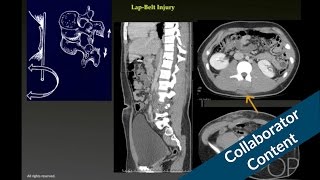
Bowel and Mesenteric Injury - High Risk Mechanisms and CT Findings
Explore high-risk mechanisms and CT findings for bowel and mesenteric injuries in pediatrics, focusing on diagnosis challenges and key imaging indicators.

The Psychological Impact of Critical Illness
Explores psychological effects of ICU stays on children and families, discussing delirium measures, post-traumatic stress, risk factors, and interventions like patient diaries and narrative exposure therapy.

An Ethical Approach to Antenatal Consultation
Explore ethical considerations in antenatal consultations, focusing on premature birth, NICU care, and family support. Learn to communicate effectively about survival chances and options.

Current Status of Pediatric Emergency and Intensive Care in China - Bo Sun for OPENPediatrics
Explore China's pediatric emergency and intensive care landscape, including development goals, critical care services, impact of major events, sepsis studies, and ongoing clinical research.

TBI and Nursing Critical Care Research
Explore European research on traumatic brain injury in pediatric critical care, focusing on nursing practices, intracranial pressure management, and ethical considerations in end-of-life care.
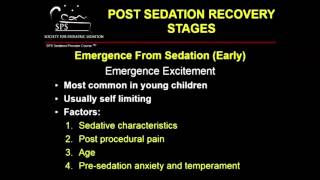
Post-Sedation Recovery and Discharge
Comprehensive guide on post-sedation recovery, covering key safety elements, monitoring stages, discharge criteria, and special considerations for pediatric patients.

Palliative and End-of-Life Care
Explore pediatric palliative care strategies, patient eligibility, and effective communication techniques to support critically ill children and their families in various healthcare settings.