
Emerging Trends in Research - Journal Prioritization
Explore journal prioritization in pediatric critical care research, gaining insights on emerging trends and understanding how to stay updated with key publications in the field.

Cerebral Oximetry by Dr. Barry Kussman for OPENPediatrics
Explore cerebral oximetry in pediatrics: principles, applications, and limitations. Learn from Dr. Kussman about this vital monitoring technique for critically ill children.

Palliative Pain and Symptom Management
Comprehensive guide to assessing and managing pain and other symptoms in palliative care, covering assessment techniques, treatment options, and practical case examples for healthcare professionals.

Emerging Trends in Research - Clinical Research Concepts
Explore emerging trends in clinical research, forecast future topics, and gain insights on improving manuscript submissions for increased publication chances in pediatric critical care.

Hemoptysis - Overview and Management
Comprehensive overview of hemoptysis, covering definition, diagnosis, physical examination, lab studies, and treatment options. Equips healthcare providers with essential knowledge for managing this condition.

Tribute to Dr. Aldo Castañeda - History of Medicine Series: Cardiac Surgery
Explore the evolution of cardiac surgery through Dr. Castañeda's journey, from pioneering techniques to global impact. Gain insights on career paths, key developments, and advice for aspiring physicians.

Challenges in Mechanical Ventilation - Patient-Ventilator Synchrony
Dr. Kacmarek explores patient-ventilator synchrony, covering types of asynchrony, effects of ventilation modes, and clinical significance. Gain insights into improving respiratory care outcomes.
Characteristics and Outcomes of U.S. Children and Adolescents with MIS-C by Dr. Adrienne Randolph
Dr. Randolph discusses epidemiology, clinical characteristics, and outcomes of pediatric Severe Acute COVID-19 and MIS-C, providing insights to distinguish between these conditions for timely and effective therapies.
Pathophysiology and Diagnosis of Heart Failure
Comprehensive overview of heart failure in pediatrics, covering causes, classification, clinical signs, and diagnostic approaches. Essential for healthcare providers treating critically ill children.

Tumor Lysis Syndrome - Dr. Andrew L. Hong for OPENPediatrics
Comprehensive overview of tumor lysis syndrome, covering pathophysiology, clinical findings, prevention, and management. Includes case studies for practical application in pediatric oncology.
Epidemiology and Treatment of MIS-C
Explore the latest insights on MIS-C epidemiology and treatment from global experts. Learn about current trends, clinical guidance, and management strategies for this COVID-19-related condition in pediatric patients.

Nutrition and Hydration in the Newborn
Comprehensive guide on neonatal nutrition and hydration, covering feeding techniques, volume calculations, and best practices for healthcare professionals, with case studies and expert insights.
Utilizing Evidence-Based Practice Translation Models
Dr. Newhouse explores evidence-based practice models, their application in research, and strategies for translating findings into clinical practice, enhancing healthcare delivery and patient outcomes.
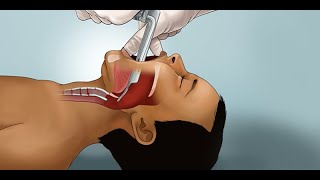
Pediatric Endotracheal Intubation
Comprehensive guide to pediatric orotracheal intubation, covering indications, anatomy, equipment, procedure, complications, and aftercare. Includes simulations and animations for effective learning.

Caring for Patients with Autism Spectrum Disorder - The Keys for Success
Strategies for healthcare providers to effectively treat patients with Autism Spectrum Disorder, focusing on preparation, communication, and accommodation to create positive experiences.
Steroids and Septic Shock: A Tale as Old as Time
Comprehensive exploration of corticosteroid use in pediatric septic shock, covering pathophysiology, risks, benefits, and treatment approaches. Ideal for healthcare professionals seeking evidence-based insights.
Working Through a Viral Pandemic - The Experience of Claire McCarthy with Polio in 1955
Claire McCarthy shares her firsthand experience as a healthcare worker during the 1955 polio epidemic, offering insights on patient care, medical challenges, and the pandemic's impact on Boston Children's Hospital and society.
Advantages and Disadvantages of Biomarker-Based Endotyping for Critical Care
Explore biomarker-based endotyping in critical care: advantages, limitations, and future prospects for sepsis and ARDS research, with insights from pediatric and adult studies.

Maternal-Fetal Decision Making - Ethical Issues in Pregnancy
Explore ethical frameworks for maternal-fetal conflicts, examining case studies, controversies, and legal precedents to navigate complex decision-making in pregnancy.

Boot Camps and Critical Care - The Future of Medical Training
Dr. Nadkarni explores the evolution and future of critical care fellow training, focusing on boot camps and orientation programs. He discusses methodologies, trends, and strategies for effective medical education.

Cyanotic Congenital Cardiac Defects - Physiology of Cyanosis
Comprehensive overview of cyanotic congenital cardiac defects, covering physiology, evaluation, and management. Explores pulmonary cyanosis, persistent pulmonary hypertension, and factors affecting arterial oxygen saturation.