Obstructive Sleep Apnea: Where Are We & Where Are We Going?
Comprehensive overview of obstructive sleep apnea, covering diagnosis, treatment options, and future developments in neurology and sleep medicine.

Biomarkers in Infectious Diseases: Procalcitonin & Beyond
Explore procalcitonin and other biomarkers for diagnosing bacterial infections, optimizing antibiotic use, and improving outcomes in respiratory infections and sepsis.

Advances in Inflammatory Bowel Disease
Explore recent advancements in inflammatory bowel disease, including genetic factors, microbial diversity, and treatment options for ulcerative colitis and Crohn's disease.

Advance Care Planning - The Nuts & Bolts
Explore advance care planning strategies, including selecting health care agents, discussing end-of-life preferences, and ensuring your wishes are respected during critical medical situations.
Adolescent Depression, ADD & SODD
Exploración detallada del TDAH, trastornos del estado de ánimo y desregulación emocional en adolescentes, abordando criterios diagnósticos, comorbilidades, tratamientos y bases neurobiológicas.

Current Topics in Interventional Cardiology Emergencies
Explore interventional cardiology emergencies, including STEMI algorithms, advanced techniques like laser atherectomy, and circulatory support methods for critical cardiac cases.

Salivation - Salivary Glands: Parotid, Submandibular, Sublingual - GI Physiology
Comprehensive exploration of salivary glands, their functions, and related physiological processes. Covers major glands, innervation, and clinical implications like dry mouth and pancreatitis.

Adaptive Immunity - Immunology - Biology
Comprehensive overview of adaptive immunity, covering B-cell and T-cell responses, immune cell types, and their roles in defending against pathogens. Ideal for medical exam preparation.
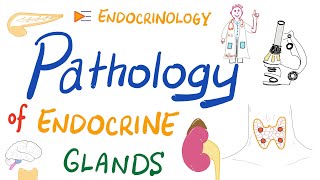
Pathology Basics of Endocrinology
Comprehensive overview of endocrine pathology, covering thyroid nodules, pheochromocytoma, pituitary disorders, and more. Ideal for medical students and professionals seeking in-depth knowledge of endocrine system diseases.
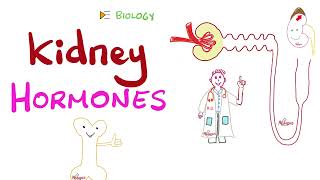
Renal Endocrine Function - Is Your Kidney a Gland?
Explore the kidney's role as an endocrine gland, focusing on its production of erythropoietin, vitamin D, and renin. Learn how these hormones impact various bodily functions.
Digestion - Ultimate Review - From A to Z
Comprehensive review of the digestive system, covering anatomy, physiology, and key processes. Ideal for medical students and healthcare professionals seeking in-depth understanding of gastroenterology.

The Lymphatic System - Lymphatics and Lymph Nodes - Immunology - Biology
Comprehensive overview of the lymphatic system, including primary and secondary organs, lymphatic vessels, and lymph nodes. Ideal for medical students preparing for exams.

Major Histocompatibility Complex - Human Leukocytic Antigen
Explore the Major Histocompatibility Complex and Human Leukocyte Antigen, their polymorphism, and clinical relevance in immunology, including graft-versus-host disease.

Nursing Practices and Evidence-Based Research
Explore evidence-based practice and nursing research from a global perspective, focusing on pediatric care. Learn about supporting nurses in research and implementing complementary care strategies.

Sepsis in the Critically Ill Child
Comprehensive overview of sepsis in critically ill children, covering prevention, diagnosis, management, and future research directions. Valuable for pediatric healthcare professionals.
Nursing World Shared Practice Forum - RESTORE Protocol with Martha Curley, PhD, RN, FAAN
Dr. Curley discusses the RESTORE Protocol for managing sedation in pediatric patients on mechanical ventilation, its development, implementation, and impact on patient outcomes, emphasizing safe nurse-led sedation management.

Response to Updates in Traumatic Brain Injury with Dr. Robert Tasker
Dr. Tasker discusses updates in traumatic brain injury management, focusing on guidelines, targets, and interventions like hypothermia and intracranial pressure monitoring in pediatric neurocritical care.

PICU Outcomes and Outcome Predictions
Explore historical perspectives and frameworks for evaluating outcomes research in pediatric critical care, including severity of illness scores, mortality risk prediction, and morbidity assessment methods.

Practice Standards for Critical Care Nurse Education
Explore critical care nurse education standards, methodology, data collection, and implications for improving patient outcomes and nursing practice globally.

Post Operative Hypospadias and Epispadias Care
Comprehensive guide on post-operative care for hypospadias and epispadias, covering pain management, infection prevention, nutrition, and catheter care. Essential for pediatric healthcare providers.
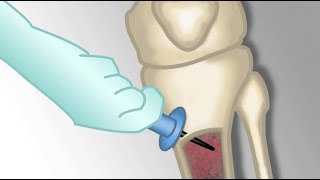
Placement of an Intraosseous Line
Comprehensive guide on intraosseous line placement techniques, including site selection, usage strategies, and complication monitoring for healthcare professionals treating critically ill children.