Streaming Graphs - Real-Time Event Processing with Quine
Explore Quine, an open-source streaming graph solution for efficient event stream interpretation, offering real-time query answers and scalability to millions of events per second.
Accelerating GenAI to Production with Neo4j and Databricks
Discover how Neo4j knowledge graphs enhance GenAI accuracy through GraphRAG, offering superior context for LLMs. Learn to build graphs from Databricks data for improved AI experiences and business solutions.
Neuro-Symbolic Graph Reasoning and Knowledge Graph Analysis - From Theory to Implementation
Explore neuro-symbolic AI frameworks and graph-based reasoning through practical examples, from biomedical research applications to Python implementations and logical rule learning.
Cost-effective Telemetry Solutions: Balancing Between Blind and Broke - Lecture 6
Explore cost-effective telemetry strategies for modern operations, balancing between blindness and financial constraints through multi-provider solutions and innovative approaches.
Why Large-Scale Observability Needs Graph
Explore how graph technology enhances large-scale observability, addressing challenges in understanding complex systems and leveraging interconnected data for more effective monitoring and analysis.
Dataverse Computer: Next-Gen Data Wallets and Operating Systems
Explore next-gen data wallets and operating systems, enabling user control of internet data. Learn about sign-in-with-ethereum, object capability, and graph database implementations for wallet-portable file systems.
Building LangChain-Based Database-Backed GenAI Applications with Docker - DockerCon 2023
Learn to develop GenAI applications using LangChain and databases within Docker. Explore new technologies for quick setup and gain insights from industry experts on leveraging large language models in your projects.
Graphs and Sensors: The Internet of Connected Things
Explore how graph databases enhance IoT data analysis, enabling real-time insights and better decision-making in industries like oil and gas and transportation.
The GenAI Stack - From Zero to Database-Backed Support Bot
Build a GenAI support bot using Docker, Neo4j, LangChain, and Ollama. Learn to create vector embeddings, integrate LLMs with knowledge graphs, and develop natural language Q&A systems.
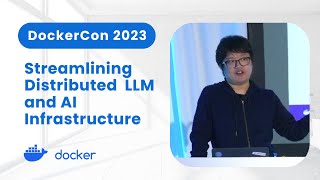
Streamlining Distributed Graph-based LLM and AI Infrastructure with Docker Extension
Explore graph databases, NebulaGraph, and LLM integration to enhance AI infrastructure. Learn how Docker optimizes development, deployment, and efficiency in AI projects.
Langchain: Graphs with OpenAI and Neo4J - Data Science and Machine Learning
Explore graph databases using Neo4J, Langchain, and OpenAI for advanced data science and machine learning applications.
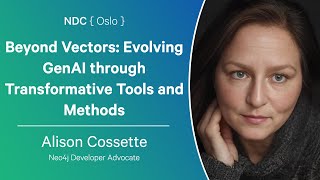
Beyond Vectors: Evolving GenAI through Transformative Tools and Methods
Explore GenAI evolution beyond Vector Databases. Master data quality for RAG, navigate structural context, and leverage strategic logging for enhanced AI applications and business insights.
Chat with Paula Gearon about the Asami Graph Database
Explore Asami, a graph database that transforms JSON into a graph with minimal code. Learn its features, querying syntax, and ideal use cases from creator Paula Gearon.
How Developers Can Treat Ovarian Cancer
Explore how developers leverage genomics and bioinformatics to create an evidence-based engine for personalized ovarian cancer treatment, using technologies like Clojure and Neo4J.
Introduction to JanusGraph Database
Explore JanusGraph's scalable graph database, its architecture, and real-world applications. Learn about property graph models, Gremlin traversals, and the benefits of this open-source solution for handling complex data relationships.
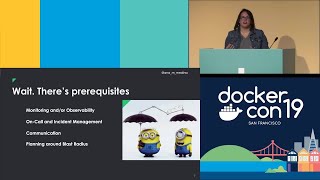
Unleashing Chaos and Breaking Containers
Explore chaos engineering principles and practices for container reliability through live demonstrations, failure injections, and success metrics.
The JanusGraph FoundationDB Storage Adapter
Explore JanusGraph's new FoundationDB storage adapter, adding distributed ACID support. Learn about property graph models, read/write patterns, and how FoundationDB addresses JanusGraph challenges.
Designing Cypher - A Graph Query Language
Explore the journey of designing Cypher, a graph query language for Neo4j. Learn about language design principles, implementation challenges, and lessons learned in creating a specialized yet expressive tool.
A Skeptics Guide to Graph Databases
Explore the pros and cons of graph databases, learn when to use them effectively, and understand their potential pitfalls in solving real-world problems.
Practical Chaos Engineering - Breaking Things on Purpose to Make Them More Resilient Against Failure
Learn to implement chaos engineering on AWS, revealing system failures before they become outages. Discover tools and methods for injecting failures to enhance architecture resilience.
Six Degrees of Infiltration - Using Graph to Understand Your Infrastructure and Optimize Security Decision Making
Explore graph-based solutions for consolidating security intelligence and improving decision-making in complex infrastructures, using tools like Neo4j to enhance visibility and risk assessment.