GPT-4 Is Here! What We Know So Far - Full Analysis
Comprehensive analysis of GPT-4's capabilities, improvements, and potential impact on AI technology, based on OpenAI's latest release and research findings.
GPT-4 - Hands on With the API
Explore GPT-4's capabilities, compare it with ChatGPT, and learn to use the OpenAI Python API. Discover token limits, coding applications, and why GPT-4 is a significant advancement in AI technology.
Prompt Engineering for GPT-3.5-Turbo, GPT-4
Explore 16 diverse prompts for OpenAI's GPT models, including document processing and creative applications, with practical Python implementations and code reviews.
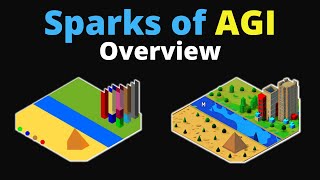
Sparks of AGI - What to Know
Explore GPT-4's capabilities and limitations in this analysis of Microsoft's "Sparks of AGI" paper, discussing experiments, tool usage, and the potential for artificial general intelligence.
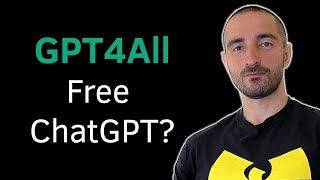
GPT4All - Run on GPU in Google Colab Notebook
Learn to run GPT4All, a free ChatGPT-like model, on Google Colab. Explore setup, prompts, and comparisons with ChatGPT in this hands-on tutorial.
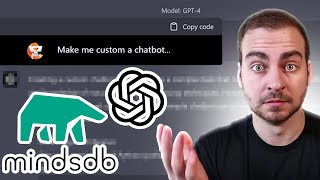
Creating a Custom GPT-4 Chatbot
Learn to create a custom GPT-4 chatbot that responds to tweets and questions in any personality. Discover how to train, implement, and automate your chatbot using MindsDB for intelligent, human-like conversations.

FrugalGPT: How to Not Get Broke Using GPT4
Learn cost-effective strategies for utilizing GPT-4, maximizing its potential while minimizing expenses. Discover tips and tricks to optimize your usage and get the most value from this powerful AI tool.
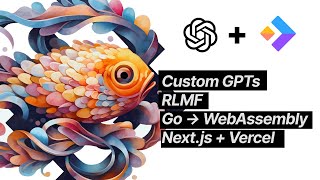
Teaching ChatGPT a New Programming Language - Creating a Custom GPT for Keel
Learn to create a custom GPT-4 agent for Keel schema language, explore AI programming, and dive into web development with WebAssembly, TypeScript, and React. Gain insights on AI's potential in software engineering.
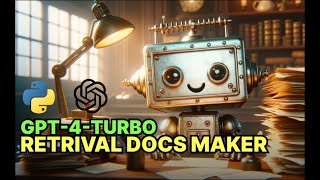
GPT-4 Turbo Documentation Converter to JSON Format
Convert documentation into easily chunkable JSON format using GPT-4 Turbo, enhancing retrieval accuracy. Explore basic to advanced implementations and iteratively improve generated documentation for better searchability.
Shaking Up AI Memory - Experimental Insights with Incredi-Mem and GPT-4
Explore an innovative AI memory technique using dynamic summarization and secondary memory to optimize GPT-4 chatbot performance, with code demonstrations and practical insights.

Insane AI News Happening That No One is Noticing - Weekly Roundup
Comprehensive overview of recent AI advancements, including faster GPT-4, DALL-E 3 integration, AI legal challenges, and breakthroughs in robotics, brain imaging, and generative art, highlighting the rapid evolution of AI technologies.
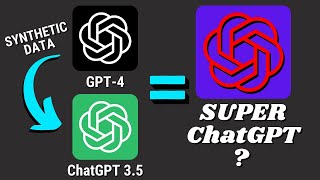
Fine-Tuning ChatGPT 3.5 with Synthetic Data from GPT-4 - Step-by-Step Guide
Explore step-by-step fine-tuning of ChatGPT 3.5 using GPT-4 synthetic data. Learn dataset selection, generation, model training, and evaluation for improved LLM results.
AutoGen Introduction: Step-by-Step Guide Including Docker Setup
Step-by-step guide to using AutoGen library for creating agent interactions with GPT-4, including config setup, conversation history saving, and Docker integration for safe code execution.
The Emergence of General AI for Medicine - Distinguished Lecture
Explore the potential of large language models in revolutionizing healthcare and medical science, discussing benefits, risks, and future implications of AI in medicine.
GPT-4 Vision: 10 Amazing Use Cases and Applications
Explore 10 innovative applications of GPT-4 Vision, from app creation to image analysis, showcasing its versatility and potential in various real-world scenarios.

Build an AI Image Analyzer Full-stack App - Image-to-Text GPT-4 Model
Develop a full-stack AI image analyzer using GPT-4 Vision. Learn to integrate cutting-edge image-to-text technology, enhancing your skills in AI application development.
AI Engineer Skills for Beginners: Code Generation Techniques
Explore AI code generation techniques using GPT-4, GitHub Copilot, and open-source models. Learn practical skills for data analysis, API integration, and leveraging AI tools in engineering projects.
Testing New OpenAI Models - Embeddings and GPT-4 Turbo
Explore OpenAI's latest models: text embeddings and GPT-4 Turbo. Learn async embedding calls, simultaneous GPT requests, and practical applications like cosine similarity for efficient AI integration.
Claude 3 vs Gemini vs GPT-4 - Comparing LLMs for PowerPoint Creation
Comparison of leading AI models' abilities to create PowerPoint presentations, exploring their strengths and limitations in slide design and content generation.
Automating Fine-Tuning Data Generation Using GPT-4
Learn to automate fine-tuning data generation for GPT models using Python. Explore the process, implement a GPT-3.5 fine-tuning example, and review the code for practical application.
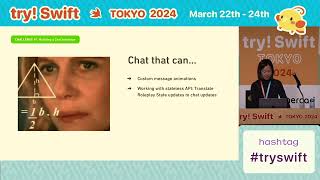
Transforming Language Learning with AI - A Deep Dive into Duolingo's AI Tutor
Explore Duolingo's AI-powered Roleplay feature for realistic language practice. Learn about iOS challenges, AI integration, and latency optimization in this innovative language learning tool.