
Scientific Problem-Solving with GPT-4 Vision - Mathematical Formula Recognition and Python Code Generation
Discover how GPT-4 Vision transforms complex mathematical problem-solving by converting formula images into executable Python code, streamlining scientific calculations and verification processes.
Comparing Direct Input vs Plugin Data Processing for LLMs - GPT-4 Case Study
Explore the impact of data input methods on GPT-4's performance, comparing direct PDF text input versus plugin-based processing, with focus on mathematical formula preservation and interpretation.
Fine-tuning ChatGPT with Synthetic GPT-4 Datasets - A Python Implementation
Master fine-tuning ChatGPT using Python and synthetic GPT-4 datasets through hands-on implementation of multi-GPT system interactions and advanced prompt engineering techniques.
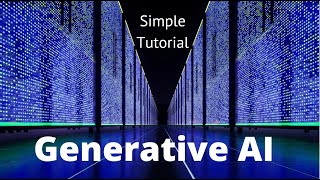
Generative AI and LLM Technologies - A Comprehensive Tutorial
Explore essential concepts and technologies behind generative AI systems, from pre-training and fine-tuning to prompt engineering and advanced data structures for LLMs.

LLM Reasoning Limitations: Understanding Linear Order and Logical Hallucinations
Delve into groundbreaking research from Stanford and DeepMind revealing LLMs' limitations in causal reasoning, premise ordering, and mathematical logic, highlighting key challenges in AI development.
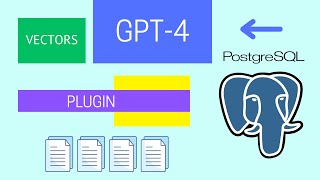
Visualizing Data Integration Between ChatGPT and Enterprise Systems
Discover how to integrate enterprise data with ChatGPT through OpenAI plugins, vector stores, and semantic search capabilities, focusing on GPT-4's dynamic data flow and PostgreSQL integration.
Prompt Engineering: Implementing Tree of Thoughts with GPT-4 - AI Education Case Study
Explore the implementation of Tree of Thoughts (ToT) framework in GPT-4, examining its application for AI education planning and demonstrating advanced prompt engineering techniques for complex problem-solving.

Chain of Thought and Instruction Fine-Tuning for Enhanced Language Model Performance
Explore how Chain of Thought and instruction fine-tuning techniques enhance language models' performance, from basic reasoning tasks to simulating human behavior and decision-making processes.

Building a Multi-AI System: Upgrading Vector Databases with BERT and GPT-4
Master building a cost-effective multi-AI system by integrating GPT-4 and BERT, transforming vector databases into interactive AI components with or without LangChain framework.

AutoGPT and BabyAGI - Understanding Autonomous AI Agents for Large Language Models
Explore autonomous AI agents AutoGPT and BabyAGI, understanding their capabilities, risks, and integration with GPT-4 and LangChain for automated resource management and task execution.
LangChain - Integrating External Documents and SQL with GPT-4
Dive into LangChain's capabilities for integrating external documents and SQL with GPT-4, learning to chain multiple data sources and leverage advanced language models effectively.
Creating Self-Instruct Data Sets for LLM Fine-Tuning with ChatGPT
Master the creation of synthetic instruction datasets using ChatGPT and GPT-4 for fine-tuning language models, covering data generation, multi-task training, and task decomposition techniques.
Self-Instruct Fine-Tuning of Large Language Models - Introduction to Alpaca
Master self-instruct fine-tuning techniques for LLMs, focusing on synthetic data generation using ChatGPT/GPT-4 to enhance model performance in specific tasks like summarization and translation.

What We Learned from 570K ChatGPT Interaction Logs In The Wild
Explore insights from 570K ChatGPT conversations, revealing diverse user prompts and potential toxic use-cases. Learn about fine-tuning instruction-following models using this rich dataset.

GPT-4 Tutorial - How to Chat With Multiple PDF Files of Tesla's 10-K Annual Reports
Learn to build a GPT-4 powered chatbot for analyzing multiple PDF files, using LangChain and Pinecone. Includes code walkthrough and demo with Tesla's annual reports.

GPT-4 & LangChain Tutorial - How to Chat With A 56-Page PDF Document
Learn to build a chatbot that interacts with a 56-page legal PDF using GPT-4, LangChain, and Pinecone. Explore the architecture, code implementation, and frontend interface creation for this powerful document analysis tool.
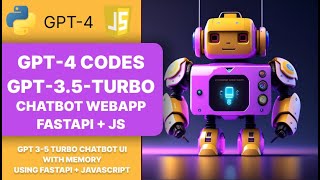
GPT-4 Codes ChatGPT Chatbot with Memory Webapp with FastAPI and JavaScript
Build a ChatGPT-like webapp with memory using FastAPI and JavaScript. Learn to implement conversational AI, manage token limits, and create responsive UIs for an engaging chatbot experience.
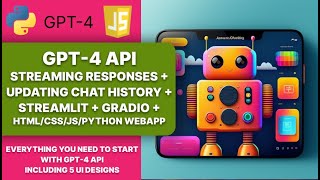
GPT-4 API with Streaming Responses, Chat History, Streamlit, Gradio UI, JavaScript, FastAPI Webapp
Comprehensive tutorial on implementing GPT-4 API with streaming, chat history, and various UI options. Learn to build interactive AI-powered applications using Streamlit, Gradio, and FastAPI.

GPT-4 Codes Animations with JavaScript and Python Pygame
Learn to create HTML canvas animations with JavaScript and convert them to Python Pygame, guided by GPT-4. Explore increasing complexity in coding and witness AI's capabilities in cross-language programming.
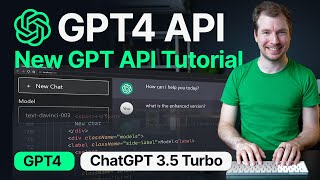
Beginners Guide to GPT-4 API and ChatGPT 3.5 Turbo API Tutorial
Learn to implement GPT-4 and ChatGPT 3.5 APIs in your projects. This tutorial covers setup, integration, and deployment using Node.js, Express, and Microsoft Azure Functions.

How to Create Your Own Autonomous GPT-4 Agents with Auto-GPT
Explore Auto-GPT, an experimental AI application showcasing GPT-4's autonomous capabilities in business development and management, with step-by-step setup instructions for various AI agents.