Climate Change Effects on Population Dynamics
Exploring the impact of climate change on fertility, mortality, and migration, and the need for inclusive policies to address these demographic shifts.
Technology, Aviation, and Drone Regulation
Explore the intersection of technology and aviation, focusing on drone regulation challenges and potential solutions for manufacturers and regulators.
Is the Energy Transition Moving Too Fast?
Experts discuss balancing rapid clean energy transition with fossil fuel dependence, examining climate science urgency and potential unintended consequences in developing nations.
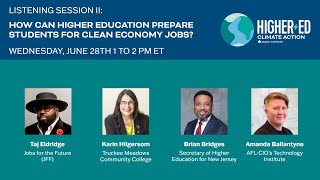
Higher Ed Climate Action Listening Session - Federal Investments and Workforce Development
Virtual listening session exploring federal investments, innovation, and equitable skills training for clean energy jobs, focusing on higher education's role in preparing a diverse workforce for the new economy.
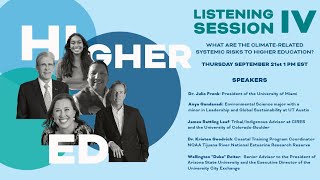
Higher Ed Climate Action: Addressing Climate Risks and Student Well-being - Session 4
Exploring climate change impacts on higher education: extreme weather risks, student well-being, and institutional resilience strategies for effective anticipation, mitigation, and adaptation.
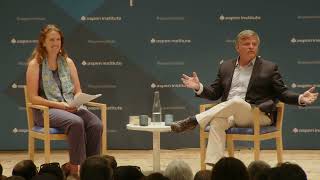
Silent Spring Revolution - The Environment from JFK to Joe Biden
Explore the rise of environmental activism from 1960-1973, key figures, and lessons for today's climate challenges with historian Douglas Brinkley in conversation with ACES educator Denali Barron.

The Next 100 Years of the Colorado River - Water Management Challenges and Solutions
Experts discuss challenges and potential solutions for the Colorado River's future, addressing drought, population growth, and stakeholder needs in the American West.
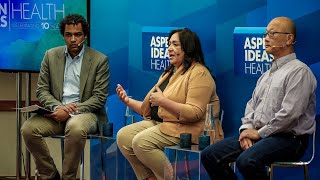
Incorporating Equity into Climate Change Strategies
Explore strategies to address climate change impacts on vulnerable populations, focusing on health equity, structural racism, and community engagement to minimize disproportionate effects.
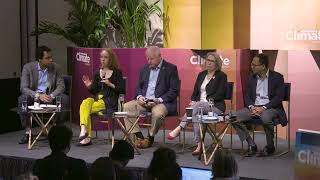
Made in America - A New Era of Clean Technology Competitiveness
Exploring the US potential as a global cleantech leader, discussing opportunities in geothermal systems, carbon capture, and industrial investments to drive climate action and economic growth.
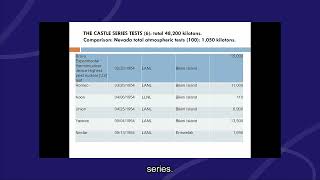
Environmental and Human Impacts of Nuclear Weapon Testing
Explore the profound environmental and human consequences of nuclear weapon testing, examining long-term effects and global implications for health, ecosystems, and international relations.
Understanding New Brain Initiatives in the U.S. and Europe - Neuroscience 2013 Special Presentation
Panel discussion exploring emerging neuroscience projects in the U.S. and Europe, focusing on recent investments, scientific priorities, and policy implications for advancing brain research initiatives.

Policy Implications for the Science of Aging and End of Life
Explore policy implications of aging science, including chronic conditions and advocacy strategies for addressing challenges in an aging population.
An Energy Plan the Earth Can Live With
Exploring sustainable energy solutions for a 1.5°C warming target, emphasizing immediate action, technological advancements, and policy opportunities to address climate change and environmental justice.
Radioactive Nuclear Waste - A Problem Not Going Away - Part 1
Explore the persistent challenges of radioactive nuclear waste management through expert insights on environmental, safety, and policy implications.
Fighting Climate Change: Overcoming Hurdles to Implement Non-Carbon Technologies - Part 2
Explore strategies to overcome barriers in implementing non-carbon technologies for climate change mitigation, featuring insights from expert Benjamin Hobbs in this APS Physics conference session.
Climate Change and International Security - Part 1
Explore the intersection of climate change and global security with expert David Titley in this APS Physics talk, examining potential impacts and implications for international relations.
Climate Change and International Security - Part 2
Explore the intersection of climate change and global security with expert Tegan Blaine, examining potential impacts and strategies for addressing this critical issue.

Revisiting the IPCC's "Discernible Human Influence" Finding - History and Lessons Learned
Explores the 1995 IPCC conclusion on human influence on climate, its historical context, subsequent scientific advancements, and personal reflections on lessons learned from this pivotal moment in climate science.

Two Approaches for Mitigating Global Climate Change
Explore two climate change mitigation strategies: stratospheric sulfur geoengineering and state-level carbon footprint reduction, examining their potential benefits, risks, and implementation challenges.
Climate Scenario Research Priorities: High-End vs. Intermediate-Range Debate
Scientists debate which climate scenarios should be prioritized for research and funding, exploring the pros and cons of focusing on high-end vs. intermediate-range projections to guide climate action and sustainability efforts.
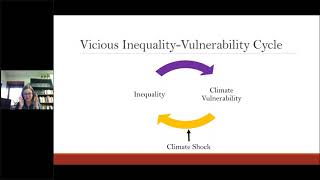
Climate Change and Inequality - Distributional Impacts and Dynamic Vulnerabilities
Explore the uneven impacts of climate change across regions and the factors driving differential vulnerability, with insights from Dr. Julie A. Silva's research on environmental inequality.