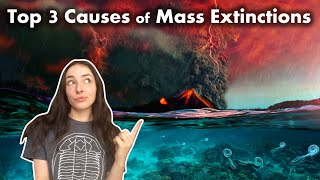
The Major Causes of Mass Extinction Events in Earth History
Explore the top causes of mass extinctions: global warming, CO2 increase, and ocean anoxia. Learn how these factors trigger catastrophic events and their devastating effects on Earth's biodiversity.
Global Warming - Scientific Evidence, Attribution, and Uncertainties - 2017
Explore scientific evidence, attribution, and uncertainties surrounding global warming with expert F. Giorgi in this comprehensive seminar on climate change.
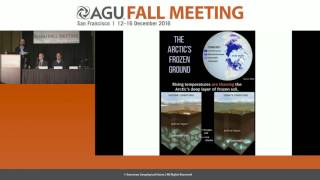
Arctic Report Card 2016 - Key Findings and Environmental Changes
Scientists present findings on rapid Arctic warming, discussing impacts on environment, wildlife, and global climate. Key measures include temperature, sea ice, snow cover, and Greenland ice sheet changes.
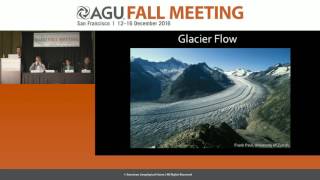
Mapping the Flow of Ice Around the Globe - New Database for Tracking Global Ice Velocity
Scientists discuss a new database tracking global ice velocity using NASA/USGS Landsat satellites, providing insights into glacier melting, sea level rise, and seasonal changes in ice movement due to climate change.
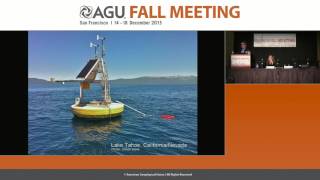
Changing Lake Temperatures on Six Continents - Global Study Findings
Global study reveals changing lake temperatures worldwide, discussing implications for freshwater supplies and ecosystems. Scientists present findings on warming rates, measurement methods, and impacts on wildlife and specific lakes.
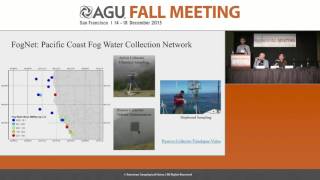
New Science of Fog - Trends and Impacts on Coastal Ecosystems
Explore new research on Pacific Coast fog, including climate change impacts and ocean-to-land compound transfer, with insights from leading experts in atmospheric and marine sciences.
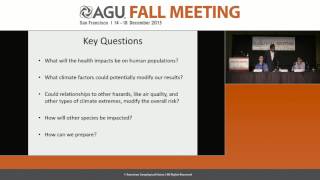
Impacts of Heat Stress on Densely Populated Regions - Fall Meeting 2015
Researchers discuss global heat stress impacts on health, infrastructure, and economy throughout the 21st century, estimating exposure and projecting severe consequences for many regions worldwide.
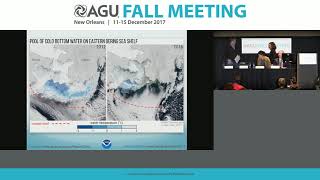
Arctic Report Card 2017 - Climate Change Impacts and Implications
Experts discuss the 2017 Arctic Report Card, highlighting rapid warming trends, environmental changes, and impacts on fisheries, wildlife, and global climate. Insights on air temperature, sea ice, and permafrost are shared.
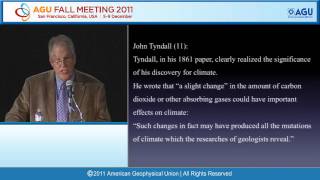
History of Global Warming - Fall Meeting 2011 Lecture
Explore the history of global warming through key figures like Tyndall, Faraday, and Keeling. Discover pivotal scientific contributions and the evolution of climate change understanding.
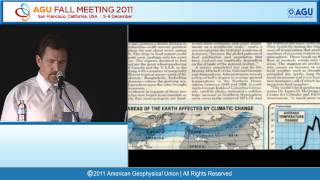
History of Global Warming - Stephen Schneider Global Environmental Change Lecture
Comprehensive exploration of global warming's historical development, examining key scientific discoveries, policy milestones, and societal impacts shaping our understanding of climate change.
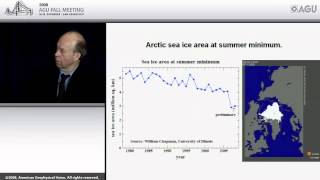
Threat to the Planet - Dark and Bright Sides of Global Warming
Explore the dark and bright sides of global warming with NASA scientist James E. Hansen. Gain insights into climate change threats and potential solutions in this comprehensive lecture.
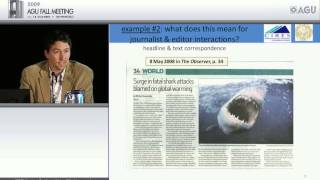
Cultural Politics of Climate Change
Explore the cultural and political dimensions of climate change discourse, examining media representation, public perception, and policy implications.
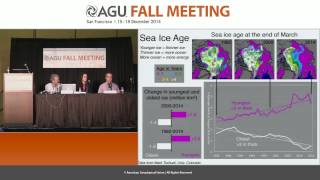
Fall Meeting 2014 - 15 Years of Sea Ice Loss and Absorbed Solar Radiation Gains
Arctic sea ice loss over 15 years has led to increased solar radiation absorption, accelerating warming and climate change impacts in the region.
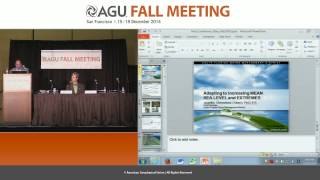
The Waters They Are Arising - Sea Level Rise and Climate Change
Rising sea levels and their impacts on coastal communities, ecosystems, and infrastructure. Explores latest research findings and projections for future sea level rise.
Making Climate Change Concepts Accessible and Acceptable to a Wide Audience
Interactive workshop on climate change principles, demonstrating physics in weather and climate to engage young audiences and promote understanding of global warming and potential solutions.
Climate Change and International Security - Part 2
Explore the intersection of climate change and global security with expert Tegan Blaine, examining potential impacts and strategies for addressing this critical issue.
Revisiting the IPCC's "Discernible Human Influence" Finding - History and Lessons Learned
Explores the 1995 IPCC conclusion on human influence on climate, its historical context, subsequent scientific advancements, and personal reflections on lessons learned from this pivotal moment in climate science.
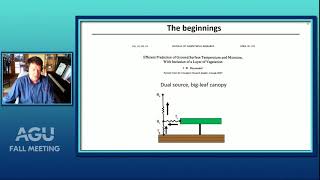
Seeing the Forest for the Trees: Forests, Climate Change, and Our Future
Explores the complex relationship between forests and climate change, tracing historical perspectives and advocating for an interdisciplinary approach to understand and address forest-climate interactions.
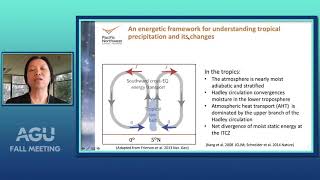
A Quest to Understand and Model Regional Precipitation and Their Future Changes
Explores precipitation from weather and climate perspectives, examining energetic frameworks, aerosol impacts, and extreme events to advance understanding and modeling of regional rainfall patterns and future changes.
The Threat from Thwaites - The Retreat of Antarctica's Riskiest Glacier
Experts discuss the rapid retreat of Antarctica's Thwaites Glacier, its potential impact on global sea levels, and the urgency of understanding its weakening process to address future flooding risks in coastal areas.
Climate Change Heats Up Storms and Flooding Around the World
Researchers discuss causes of extreme rain events in Pakistan and South Korea, exploring climate change's role and implications for future storm intensification.