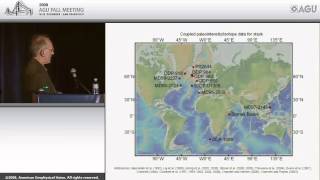
Excursions and Paleointensity - Integration of Magnetic and Oxygen Isotope Stratigraphies
Explore magnetic excursions and paleointensity through integrated magnetic and oxygen isotope stratigraphies, enhancing understanding of Earth's magnetic field history.
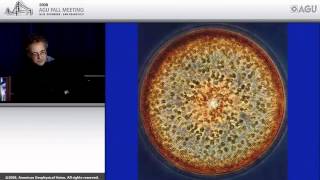
The Story of O: Evolution of Earth's Oxygen Cycle and Its Relevance to Extraterrestrial Life
Explore Earth's oxygen cycle evolution and its implications for extraterrestrial life in this captivating lecture by Paul Falkowski, delving into planetary sciences and astrobiology.

Geomorphology: The Shock of the Familiar - Langbein Lecture
Explore geomorphology's familiar yet surprising aspects with William E. Dietrich, uncovering new insights into Earth's surface processes and landform evolution.
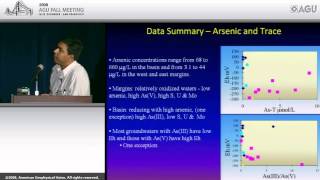
Arsenic and Other Metals as Contaminants in Hydrologic Systems - Part 2
Explore arsenic and metal contamination in hydrologic systems, focusing on environmental impacts, detection methods, and mitigation strategies for water resource management.
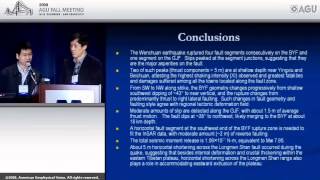
The Great 2008 Wenchuan Earthquake - A Multidisciplinary View
Multidisciplinary analysis of the 2008 Wenchuan Earthquake, exploring geological, seismological, and tectonic aspects to understand its causes, impacts, and implications for future seismic events in the region.
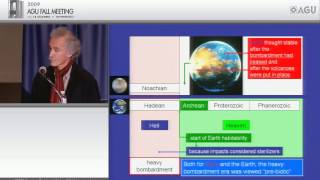
Mars Exploration: Bridging Our Past and Future
Explore Mars's geological history and its potential for hosting life through cutting-edge space missions and scientific discoveries, bridging our understanding of the Red Planet's past and future.
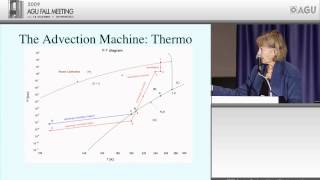
Enceladus: Oasis or Ice Ball? - Exploring Saturn's Enigmatic Moon
Explore Enceladus's intriguing features, from its size and chemistry to its unique terrains and geysers, drawing parallels with Earth's geothermal phenomena like Old Faithful.
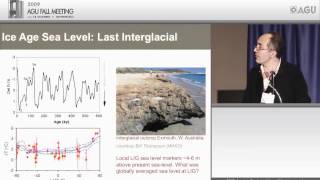
A Eulogy for Eustasy - Fall Meeting 2009 Birch Lecture
Explore the complexities of sea level change, challenging traditional models and examining new evidence from geological records, tide gauges, and satellite data.
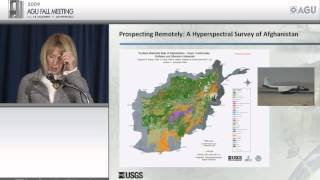
Frontiers of Geophysics - Advances in Earth Science Technologies
Explore cutting-edge geophysical technologies and their applications in earth sciences, from LiDAR to atmospheric rivers, with insights from USGS Director Marcia McNutt.
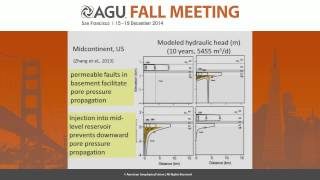
Connecting Wastewater Injection and Seismicity through Pore Pressure - AGU Lecture
Explore the link between wastewater injection and seismic activity through pore pressure analysis, covering key factors, physics, and modeling techniques.
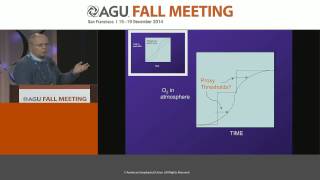
Ocean Ridges and Oxygen: Planetary Fuel Cells and Atmospheric Evolution
Explore ocean ridges' role in Earth's oxygen cycle, from ancient oxidation events to modern atmospheric composition, using schematic reactions and numerical models.
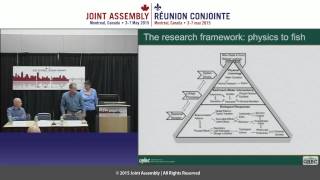
Latest Scientific Results from the Mount Polley Mine Failure
Explore the latest scientific findings from the Mount Polley mine disaster, examining environmental impacts and lessons learned for future mining practices.
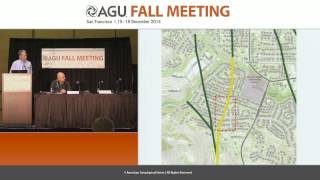
The 2014 South Napa Earthquake - Analysis and Impacts
Experts analyze the 2014 South Napa Earthquake, discussing its impact, geological implications, and lessons learned for future seismic preparedness and response strategies.
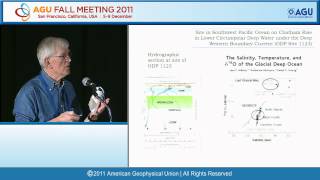
What a Single Celled Organism Can Tell Us About Climate History - A Status Report on Paleocean Proxies
Explore climate history through single-celled organisms in this lecture by Henry Elderfield. Discover paleocean proxies and their role in understanding Earth's past climate changes.
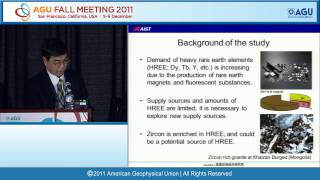
Multidisciplinary Studies of Elements Critical to 21st Century Economies - 2011
Explore critical elements for modern economies, covering geological constraints, lithium resources, zircon extraction, marine deposits, and rare earth geochemistry in this multidisciplinary AGU session.
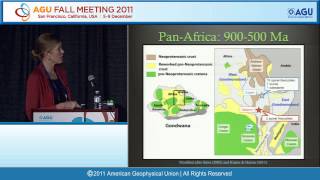
Mineralogical Signals as Keys to Understanding Petrological Processes - 2011
Explore cutting-edge research on mineralogical signals in petrological processes, focusing on olivine, zircon, and diamonds. Gain insights into magmatic history, mantle composition, and tectonic implications.
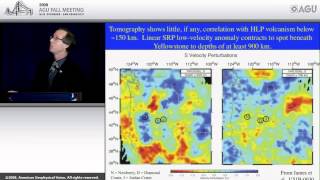
On the Causes of Continental Intraplate Volcanism - High Lava Plains of Eastern Oregon
Explore the origins of continental intraplate volcanism through a case study of Oregon's High Lava Plains, examining geological processes, volcanic records, and tomographic results.
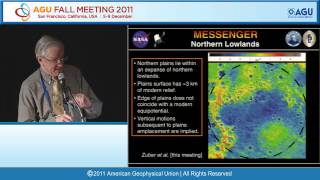
MESSENGER: Exploring Mercury - The Innermost Planet
Explore Mercury's composition, structure, and geological history through MESSENGER mission findings, revealing unique features like polar ice deposits and a dynamic exosphere.
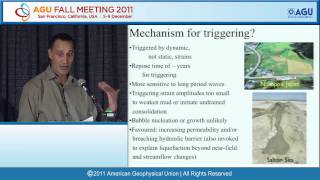
Hydrological Responses to Earthquakes and the LUSI Mud Volcano Eruption
Explore hydrological responses to earthquakes and the controversial LUSI mud volcano eruption in Indonesia. Gain insights from expert Michael Manga on seismic impacts on water systems.
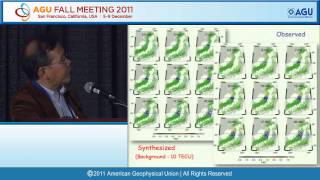
GPS Array as a Sensor of Lithosphere, Troposphere and Ionosphere
Explore how GPS arrays serve as powerful sensors for studying Earth's lithosphere, troposphere, and ionosphere in this insightful lecture by Kosuke Heki from Hokkaido University.
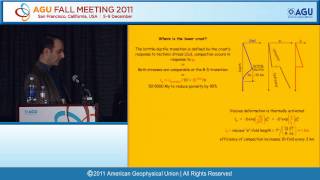
Modern and Ancient Deep Earth Volatile Cycles and Hydromechanical Modeling of Fluid Flow - Bowen Lectures 2011
Explore deep Earth volatile cycles and hydromechanical modeling of fluid flow in the lower crust with expert presentations on modern and ancient processes shaping our planet's interior.