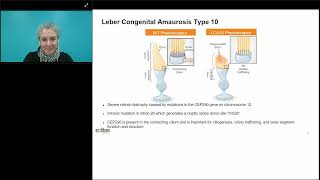
Assessing CRISPR On-Target Editing and Structural Changes with UDiTaS Using Tagify Reagents
Explore CRISPR editing assessment using UDiTaS™ and Tagify™ reagents. Learn about quantitative methods for measuring structural changes and small indels in genomic editing outcomes.
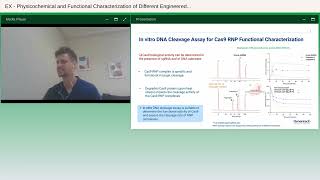
Physicochemical and Functional Characterization of Different Engineered Cas9 Variants and CRISPR-Cas9 Ribonucleoprotein Complexes
Explore advanced gene-editing technology, focusing on CRISPR-Cas9 variants and ribonucleoprotein complexes for therapeutic applications in challenging disease areas.

Can We Cure Genetic Diseases by Rewriting DNA?
Chemical biologist David R. Liu discusses base editors, a breakthrough in genome editing that can directly rewrite DNA, potentially treating or curing genetic diseases.
The Power of CRISPR-Cas9 Comes With Great Responsibility - TED
Explore CRISPR-Cas9's potential and challenges, focusing on precision control tools for responsible gene editing and its future implications in biotechnology and medicine.

What if We Could Rewrite the Human Genome? - TED
Explore the revolutionary CRISPR gene-editing technology, its origins in bacterial immune systems, and its potential to transform human DNA and medicine.
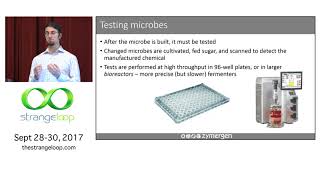
Designing 1000 Genomes in a Single Bound - The Codon DSL
Explore DNA design and genome editing with Codon, a powerful DSL for specifying large-scale genetic modifications. Learn how Zymergen uses this tool to revolutionize industrial microbial engineering and synthetic biology.
Game Change – CRISPR's Brave New World
Explore CRISPR gene-editing technology's potential to revolutionize medicine, agriculture, and energy. Experts discuss its rapid adoption, applications, ethical considerations, and future impact on treating diseases and solving global challenges.

How CRISPR Lets Us Edit Our DNA
Geneticist Jennifer Doudna explains CRISPR-Cas9, a revolutionary gene-editing technology, its potential for treating genetic diseases, and the ethical considerations surrounding its use in human DNA modification.
rhAmpSeq CRISPR Analysis Tool Tutorial
Learn to analyze CRISPR experiments using IDT's rhAmpSeq™ tool. Explore features for efficient data interpretation and result visualization in genome editing projects.
How to Optimize CRISPR Genome Editing in Primary T Cells
Optimize CRISPR genome editing in primary T cells with improved methods for cell culture, delivery, and knock-in rates using HDR donors and enhancing reagents.
Custom CRISPR Solutions for High-Throughput Workflows in Drug Discovery
Discover high-throughput CRISPR genome editing techniques for research and drug discovery, focusing on arrayed synthetic guide RNA libraries and custom solutions.
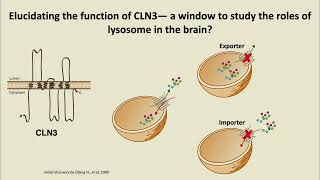
Lysosome Function in Brain Health and Disease - From Tool Development to Novel Biology
Explore lysosome function in brain health, focusing on metabolic processes, choline pathways, and novel discoveries about lysosomal proteins and their role in neurological diseases.
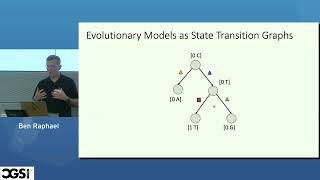
Evolutionary Models for Cancer and Lineage Tracing - CGSI 2023
Explore evolutionary models for cancer and lineage tracing, focusing on tumor phylogeny inference and CRISPR-Cas9 lineage tracing approaches.
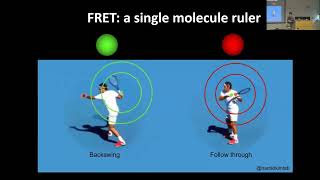
Light, CRISPR, and DNA Repair
Explore cutting-edge bioengineering research on CRISPR technology and DNA repair mechanisms, featuring insights from Dr. Taekjip Ha of Johns Hopkins University.
Optimizing Non-viral CRISPR HDR for High-efficiency Large Knock-in in Primary T Cells and iPSCs
Master advanced CRISPR HDR techniques for efficient large knock-ins in T cells and iPSCs, covering repair mechanisms, reagent selection, and optimized workflows using Aldevron Nanoplasmids™.