Virality and Veracity - Media's Greatest Challenges
Explore media's challenges with fake news and viral content as industry leaders discuss strategies for maintaining credibility and combating misinformation in the digital age.
The Fate of Facts
Explore the impact of fake news and declining public trust in established media with insights from leading journalists at The Washington Post and Channel 4.
Can We Halt the Rise of Fake News
Experts discuss strategies to combat fake news, restore trust in media, and address the responsibilities of digital platforms in an era of misinformation.
The Internet Happiness Revolution
Discover insights on creating uplifting online experiences and fostering genuine happiness in the digital age, despite challenges like fake news and social isolation.
Rebuilding Trust in a Fake News World
Explore strategies to rebuild trust in an era of misinformation, examining the role of tech companies, public relations, and diversity in combating fake news.
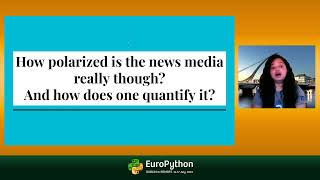
Is the News Media Polarized? Or Are We Being Conditioned to Think It Is?
Explore the intersection of computer science and media bias analysis, examining perceived polarization in news through neural networks and SVMs, with surprising insights on mainstream media's impact.

Fake News and Media Literacy
Experts discuss the impact of fake news on media literacy and strategies to combat misinformation in the digital age.

Keynote - Are There Any Questions?
Exploring the evolution of human inquiry and its intersection with technology, from mechanical calculators to AI, and the implications for our future relationship with machines.
Modern Mind Control - Public Opinion Manipulation in Our Online World
Explores techniques for manipulating public opinion online, including fake news and social media campaigns. Examines historical precedents, current methods, and ways to identify and trace these influence operations.
The Radiance of Journalism in an Era of Information Shadows
Explore the vital role of truthful journalism in combating misinformation and its impact on society with insights from global speaker and media expert Rufai Oseni.
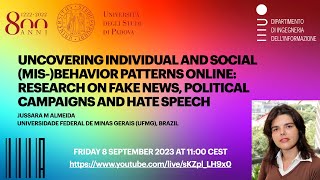
Uncovering Individual and Social Misbehavior Patterns Online - Research on Fake News, Political Campaigns and Hate Speech
Explore patterns of online misinformation and social misbehavior, focusing on fake news dissemination, political campaigns, and hate speech analysis through data-driven research and network dynamics.

Attention is Your Most Valuable Currency - Are You Spending It Wisely? | Rimsha Sajid | TEDxHM
NOTE FROM TED: This talk only represents the speaker's personal views and understanding of social media, the brain, and behavior. The relationship between technology and addiction remains an ongoing field of study. TEDx events are independently organized by volunteers. The guidelines we give TEDx or

¿Qué es la cancelación en redes sociales? | Mady Delaia | TEDxUDLAP
La cancelación es un fenómeno social y digital, principalmente visto en las redes sociales, en donde las personas se unen para quitar el apoyo y dejar de convivir con una persona, empresa o figura pública por un comentario, opinión o hecho que no les gustó. En esta charla TEDx se dice que a veces l

เข็มทิศของการสื่อสาร | ดร. แก่นพงศ์ บุญถาวร | TEDxMahidolU | แก่นพงศ์ บุญถาวร | TEDxMahidolU
ไม่ว่าจะเป็นการสื่อสารทางวิทยาศาสตร์ หรือการสื่อสารในด้านใดก็ตาม ย่อมไม่ควรเป็นแค่การ ส่งมอบข้อมูลเพียงอย่างเดียว แต่มันคือการถ่ายทอดความรู้ตามหลักจริยธรรม เพราะหากวันนี้เรายังไม่แก้ไขแนวทางการสื่อสาร โดยไม่คำนึงถึงผลกระทบรอบด้าน และยังคงปล่อยให้ผู้คนเข้าใจในสิ่งที่รู้ไปแบบผิด ๆ คนรุ่นใหม่ก็คงไม่รอด

Raising kids in a world of screens | Stephanie Reina | TEDxEindhoven
Parents nowadays are concerned about screen time and keeping kids safe online. Drawing from relatable examples mixed with scientific research, Stephanie uncovers a rarely discussed driver of children’s digital behavior and provides two practical strategies families can apply immediately. Most adult

批判性思維之於媒體識讀 | 宥聖 呂 | TEDxChung Cheng U
呂宥聖認為,媒體識讀雖然不是一門學科,但在資訊爆炸的現代,已然成為一份不可或缺的公民素養。他強調,批判性思維讓大眾在面對媒體訊息時,不再只是被動接收,而是能夠理性判斷訊息的真偽。 呂宥聖,一名教育工作者,現任非營利組織「Lead For Taiwan」教育長。主要負責課程設計與擔任講者。加入團隊至今,已舉辦過多場校園講座、工作訪,致力推廣思辨教育。 呂宥聖認為,媒體識讀雖然不是一門學科,但在資訊爆炸的現代,已然成為一份不可或缺的公民素養。他強調,批判性思維讓大眾在面對媒體訊息時,不再只是被動接收,而是能夠理性判斷訊息的真偽。 This talk was given at a TEDx eve