
Alarm.DISARM - Remotely Exploiting & Disarming Popular Physical Security System from Public Internet
Explore remote code execution vulnerabilities in physical security systems, learning to exploit and disarm alarms through reverse engineering and network protocol analysis.
New Attack Surface in Safari - Using Just One Web Audio Vulnerability to Rule Safari
Explores a novel attack surface in Safari, focusing on vulnerabilities in system libraries like audio. Demonstrates how a single Web Audio vulnerability can be exploited to compromise Safari's security.
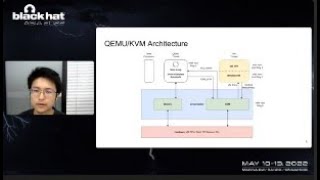
Hunting and Exploiting Recursive MMIO Flaws in QEMU KVM
Explore security vulnerabilities in QEMU/KVM hypervisors caused by recursive MMIO handling, uncovering a new attack surface with potential for critical exploits in cloud computing environments.
Windows Heap-backed Pool - The Good, the Bad, and the Encoded
Explore Windows kernel pool's evolution, new design complexities, and potential vulnerabilities. Learn about structure changes, exploitation techniques, and analysis tools for kernel pool security.
Typhoon Mangkhut - One-click Remote Universal Root Formed with Two Vulnerabilities
Exploit chain for remote Android root using Chrome and Binder vulnerabilities. Demonstrates bypassing security mitigations to achieve one-click root access on modern Pixel devices.
Network Attached Shell - N.A.S.ty Systems that Store Network Accessible Shells
Explore critical vulnerabilities in network storage devices, their impact on data security, and potential for network exploitation. Learn about attack techniques and implications for IT professionals and consumers.
Man in the Binder - He Who Controls IPC, Controls the Droid
Explore Android's Binder IPC system, its security implications, and potential vulnerabilities through a POC rootkit demonstration and in-depth analysis of low-level Binder operations.
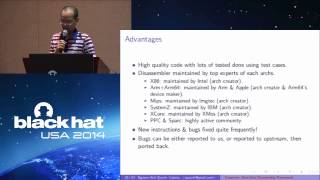
Next Generation Disassembly Framework
Explore next-gen disassembly framework for multi-architecture binary analysis. Learn about Capstone engine's features, design challenges, and potential applications in reversing, exploit development, and malware detection.
Attacking the Linux PRNG on Android
Explore vulnerabilities in Android's Linux PRNG, focusing on early boot attacks and real-world exploitation vectors. Learn about potential security risks and mitigations for embedded platforms.
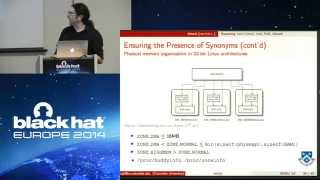
Ret2dir - Deconstructing Kernel Isolation
Explore kernel exploitation technique ret2dir, bypassing isolation protections by leveraging direct-mapped memory. Learn about vulnerabilities, attack models, and mitigation strategies for Linux kernels.

Hey Man, Have You Forgotten to Initialize Your Memory?
Exploiting uninitialized memory in 64-bit IE to bypass ASLR, CFG, and EPM sandbox. Techniques for remote code execution and privilege escalation on Windows 8.1 demonstrated through Pwn2Own contest example.
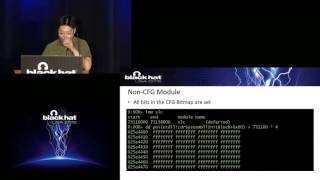
Bypass Control Flow Guard Comprehensively
Analyze CFG's weaknesses and explore a new technique to bypass it, enabling previously prevented exploit methods and opening avenues for developing more advanced exploit techniques.
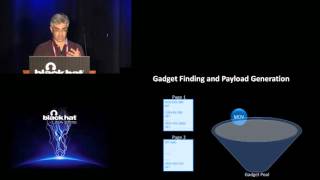
Return to Where? You Can't Exploit What You Can't Find
Explore advanced techniques for detecting and preventing memory corruption vulnerabilities, including execute-only memory and code pointer hiding, to enhance software security against sophisticated exploitation methods.
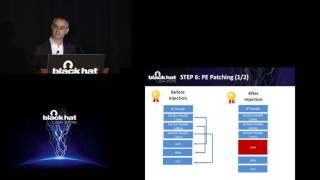
ROPInjector - Using Return Oriented Programming for Polymorphism and Antivirus Evasion
Explore advanced polymorphism techniques using Return Oriented Programming for antivirus evasion, with practical demonstrations of the ROPInjector tool and its effectiveness against detection methods.
Social Engineering the Windows Kernel - Finding and Exploiting Token Handling Vulnerabilities
Explore Windows kernel token handling vulnerabilities, learn to identify and exploit them for privilege escalation, and understand patterns for conducting security reviews.
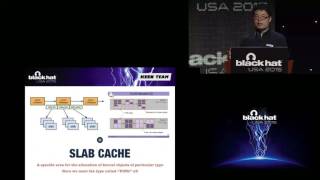
Universal Android Rooting Is Back
Explore universal Android rooting through kernel exploitation, focusing on a Use-After-Free bug affecting all Linux versions. Learn about innovative techniques for 64-bit devices and bypassing modern kernel mitigations.

Hey, Your Parcel Looks Bad - Fuzzing and Exploiting Parcelization Vulnerabilities in Android
Explore Android's Binder IPC vulnerabilities through fuzzing and exploitation techniques. Learn to identify, analyze, and exploit "BadParcel" issues for privilege escalation in high-privilege processes.
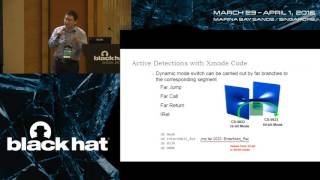
Break Out of The Truman Show - Active Detection and Escape of Dynamic Binary Instrumentation
Explore active detection techniques for Dynamic Binary Instrumentation, focusing on exploiting weaknesses and escaping control. Learn to identify and overcome DBI environments in cybersecurity.
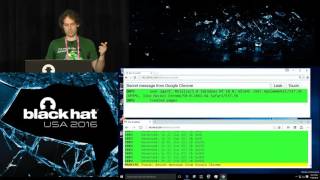
Over the Edge - Silently Owning Windows 10's Secure Browser
Exploiting Windows 10's memory deduplication feature to silently compromise Microsoft Edge, bypassing security measures and gaining arbitrary memory access through JavaScript-based attacks.
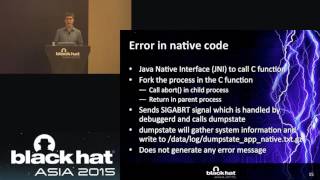
Resurrecting the Read Logs Permission on Samsung Devices
Exploit allowing non-privileged apps to access sensitive log data on Samsung devices, bypassing Android's READ_LOGS permission restrictions. Reveals private information from notifications and system logs.

Silently Breaking ASLR in the Cloud
Exploit memory deduplication to defeat ASLR in cloud environments, leaking randomized base addresses of libraries and executables in neighboring VMs using a side-channel attack.