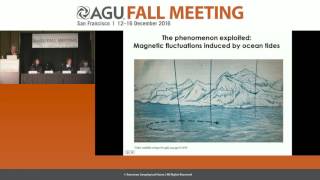
Ocean Heat Content Measurement and Impact - New Satellite Methods and Research Findings
Novel satellite method to measure ocean heat content, revealing impacts on ice melt and marine ecosystems. Explores magnetic field fluctuations, seafloor temperatures, and chlorophyll patterns to enhance climate change understanding and prediction.
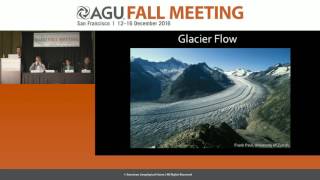
Mapping the Flow of Ice Around the Globe - New Database for Tracking Global Ice Velocity
Scientists discuss a new database tracking global ice velocity using NASA/USGS Landsat satellites, providing insights into glacier melting, sea level rise, and seasonal changes in ice movement due to climate change.
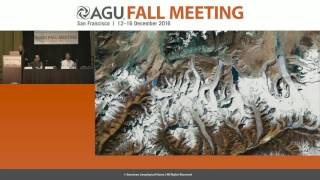
Attributing Mountain Glacier Retreat to Climate Change
New method for assessing glacier retreat and its link to climate change. Researchers present findings on individual glacier changes and their implications for freshwater sources and climate indicators.
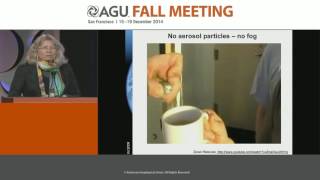
Grand Challenges in Understanding Clouds - From Ice Crystal Formation to Climate Influence
Explore cloud formation, ice crystal dynamics, and their climate impact. Discover recent advances in aerosol-cloud interactions and the challenges in predicting climate change.
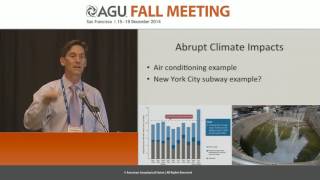
Abrupt Climate Change - Views from Past, Present, and Future
Explore past, present, and future abrupt climate changes through ice core research and environmental systems, examining their economic, physical, and social impacts on human society.
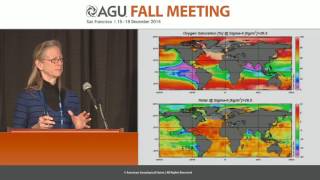
Nitrogen Loss Processes and Nitrous Oxide Turnover in Oceanic Oxygen Minimum Zones
Explores nitrogen loss in oceanic oxygen minimum zones, focusing on denitrification and anammox processes, their environmental controls, and implications for nitrous oxide production and ecosystem function.
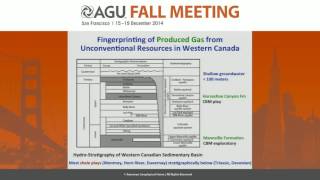
Groundwater Baseline Sampling Programs for Unconventional Gas Plays in Alberta, Canada
Explore groundwater monitoring programs in Alberta, Canada, designed to detect potential leaks from unconventional gas operations using isotope fingerprinting and other techniques.
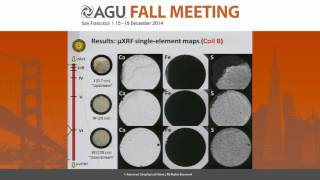
Effects of CO2-Induced Reaction on Transport Properties of Debonded Well Cement-Casing Interfaces
Explores CO₂-induced reactions on debonded well cement-casing interfaces through reactive flow-through experiments, examining permeability changes and microstructural effects for carbon storage applications.

What's the Deal About the Anthropocene?
Explore the concept of the Anthropocene and its implications for Earth's geological history and future in this AGU Fall Meeting presentation, offering insights into human impact on the planet.
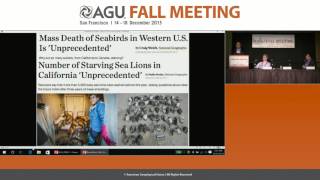
Ecosystem Impacts of Record Ocean Warming in the North Pacific - Fall 2015
Experts discuss "the blob," a warm water anomaly in the Northeast Pacific, its effects on marine ecosystems, unprecedented toxic algal blooms, and potential future impacts on ocean health and wildlife.
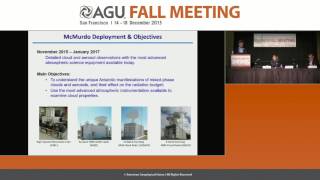
Comprehensive Meteorological Study of Antarctica - AWARE Project Overview
Comprehensive meteorological study of West Antarctica using advanced equipment to collect crucial data on climate change trends, cloud properties, and atmospheric conditions in this rapidly warming region.
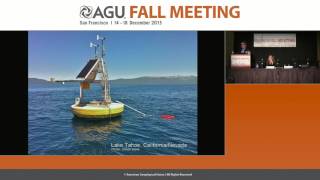
Changing Lake Temperatures on Six Continents - Global Study Findings
Global study reveals changing lake temperatures worldwide, discussing implications for freshwater supplies and ecosystems. Scientists present findings on warming rates, measurement methods, and impacts on wildlife and specific lakes.
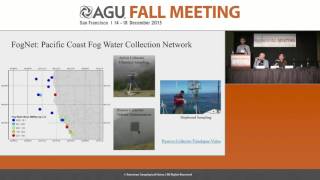
New Science of Fog - Trends and Impacts on Coastal Ecosystems
Explore new research on Pacific Coast fog, including climate change impacts and ocean-to-land compound transfer, with insights from leading experts in atmospheric and marine sciences.
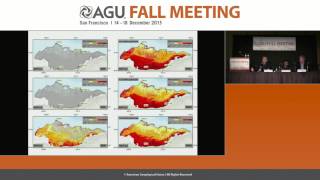
Alaska's Thawing Permafrost: Impacts and Future Projections
Experts discuss Alaska's thawing permafrost, unveiling new findings and projections. They explore impacts on ecology, infrastructure, and carbon release, introducing a permafrost forecast system.
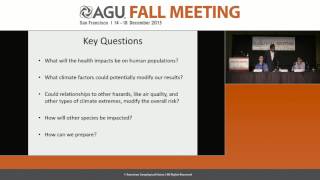
Impacts of Heat Stress on Densely Populated Regions - Fall Meeting 2015
Researchers discuss global heat stress impacts on health, infrastructure, and economy throughout the 21st century, estimating exposure and projecting severe consequences for many regions worldwide.
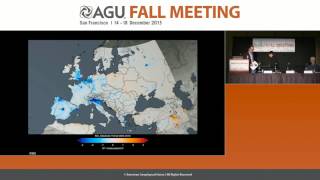
Global Air Quality - The Impacts of People and Cities
NASA scientists discuss a high-resolution global map of air quality, revealing how industrialization, economic activity, and civil unrest impact air pollution levels and their effects on human health and the environment from 2005 to 2014.
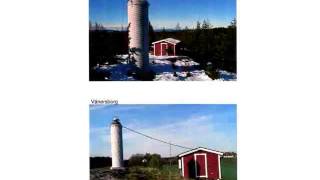
Glacial Isostatic Adjustment and Sea Level Change - Bowie Lecture 2000
Explore geophysical phenomena through James L. Davis's Bowie Lecture, covering topics like Fenno Scandia, tide gauges, GPS, sea level changes, and global ice melting patterns.
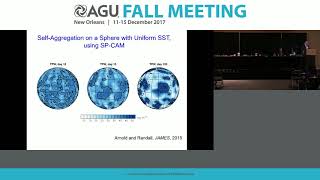
Climate Dynamics: Theory, Modeling, and Breakthroughs - 2017 Fall Meeting
Explore cutting-edge climate dynamics research with leading experts, covering theoretical advancements, modeling techniques, and breakthrough discoveries in atmospheric and oceanic sciences.
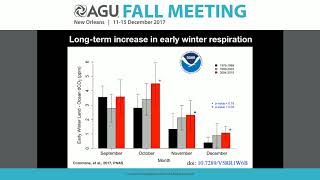
The Resilience and Vulnerability of Arctic and Boreal Ecosystems to Climate Change - 2017 Fall Meeting
Explore the impact of climate change on Arctic and boreal ecosystems through expert presentations on resilience, vulnerability, and environmental dynamics in these sensitive regions.
Why We Are Still In - 2017 Fall Meeting Special Keynote Panel
Panel discussion on climate action commitment featuring mayors and environmental leaders from the US and Mexico.
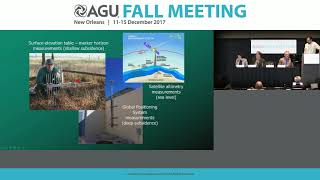
Subsidence and Land Loss in Coastal Louisiana - New Measurement Approaches
New approaches to measure and predict subsidence in coastal Louisiana, including a groundbreaking subsidence superstation in the Mississippi River Delta, providing unprecedented data resolution on land loss causes and implications.