Metamorphic Rocks
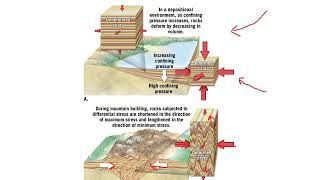
Explore the formation, types, and significance of metamorphic rocks, including their textures, environments, and economic importance in resource extraction.
Shorelines
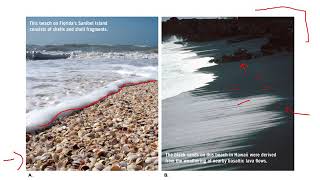
Explore coastal dynamics, wave patterns, and shoreline features. Learn about hurricanes, their structure, and impact. Discover coastal stabilization techniques and satellite monitoring.
Global Climate Change
Explore climate change's impacts, from shifting shorelines to Arctic ice melt. Learn about natural causes, greenhouse effects, and environmental consequences through proxy data and climate system analysis.
Benthic Communities
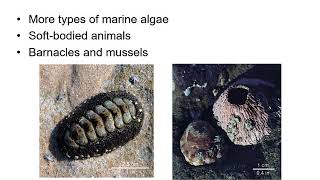
Explore diverse benthic ecosystems from rocky shores to deep-sea hydrothermal vents. Learn about organism adaptations, community structures, and environmental impacts on marine life in various ocean habitats.
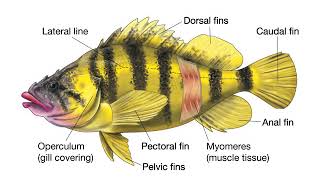
Pelagic Communities
Explore diverse pelagic organisms, from microscopic zooplankton to massive whales. Learn about adaptations, behaviors, and ecological relationships in open ocean ecosystems.
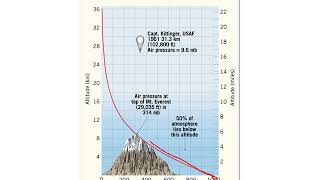
The Atmosphere
Explore Earth's atmosphere, weather patterns, and climate systems. Learn about radiation, the greenhouse effect, and temperature measurement in this comprehensive overview.
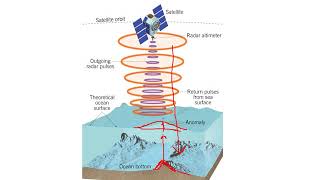
The Ocean Floor
Explore ocean floor mapping, sediments, and ecosystems. Learn about continental margins, abyssal plains, and ridge systems using advanced technologies and data from NOAA and NASA.
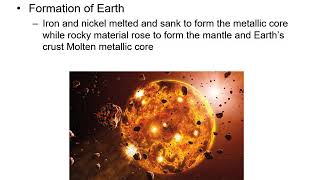
Earth's Evolution Through Time
Explore Earth's 4.6-billion-year journey, from early atmosphere formation to the rise of complex life, continental shifts, and major extinction events shaping our planet's rich history.
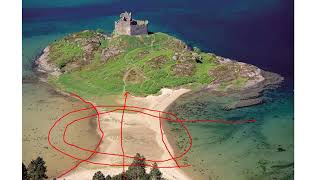
Shorelines - Redwood National Park
Explore diverse shoreline types, coastal processes, and human interventions, from barrier islands to sea walls. Discover unique features of Redwood National Park's coastline and its iconic coastal redwoods.
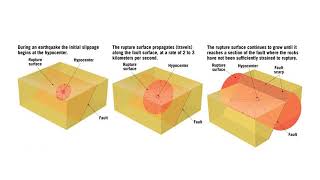
Earthquakes
Learn about earthquake science, including causes, measurement, effects, and prediction. Explore seismic waves, tsunamis, and global earthquake patterns for a comprehensive understanding of this natural phenomenon.
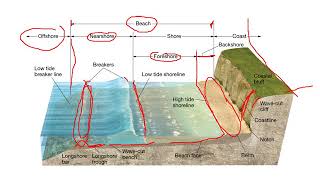
Beaches, Shoreline Processes, and Coastal Oceans
Explore beach dynamics, coastal processes, and shoreline features. Learn about erosion, deposition, barrier islands, and human impacts on coasts. Understand sea level changes and coastal management strategies.

Groundwater
Explore groundwater systems, aquifers, and their environmental impact. Learn about water distribution, movement, and storage beneath Earth's surface, as well as potential contamination issues and geological formations.
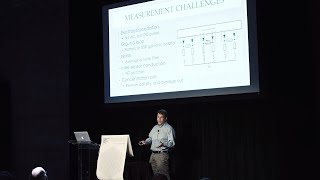
The Vinduino Project for Irrigation
Innovative irrigation system for vineyards using affordable moisture sensors, reducing water consumption by 25%. Explores measurement challenges, sensor types, and remote monitoring for efficient agricultural water management.
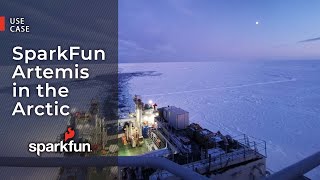
SparkFun Artemis Global Tracker: Tracking Sea Ice in the Arctic
Explore innovative sea ice tracking in the Arctic using SparkFun Artemis Global Tracker. Learn about open-source solutions for improved environmental monitoring and data collection.
How Much Do Rockets Pollute? Are They Bad for Our Air?
Explore rocket emissions, their environmental impact, and comparisons with other pollution sources. Learn about unique aspects of rocket pollution and potential improvements in the space industry.
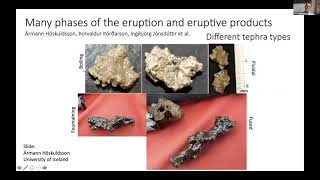
Mount Fagradalsfjall Webinar
Explore Iceland's Mount Fagradalsfjall eruption with experts, covering plate tectonics, seismic activity, and environmental impacts. Gain insights into Earth's dynamic forces and volcanic processes.
Carl Sagan Lecture Series - Introduction to Planetary and Earth Science
Explore planetary science through Carl Sagan's vision, covering NASA missions, Earth's atmosphere, climate change, and space exploration. Gain insights from a NASA scientist on Sagan's enduring influence.
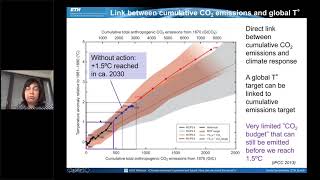
Climate Extremes Now and in the Future
Explore climate extremes, their future impacts, and mitigation strategies with ETH Zürich Professor Dr. Sonia I. Seneviratne in this informative session on global environmental challenges.
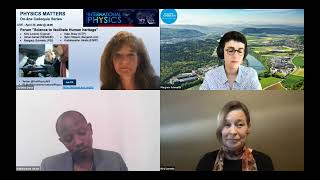
FIP Physics Matters - Forum "Science to Facilitate Human Heritage"
Explore human heritage through advanced scientific techniques like light and neutron sources. Learn about paleanthropology, bioarcheology, and cutting-edge research opportunities in cultural preservation.
Increasing Value to SPS Members Through IEEE HAC-SIGHT
Learn how IEEE HAC/SIGHT offers high-impact humanitarian engagement opportunities, advancing technologies for marginalized communities worldwide. Discover achievements, benefits, collaborations, and ways to get involved in this impactful initiative.
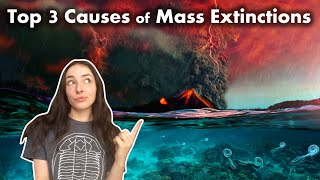
The Major Causes of Mass Extinction Events in Earth History
Explore the top causes of mass extinctions: global warming, CO2 increase, and ocean anoxia. Learn how these factors trigger catastrophic events and their devastating effects on Earth's biodiversity.