Why We Are Still In - 2017 Fall Meeting Special Keynote Panel
Panel discussion on climate action commitment featuring mayors and environmental leaders from the US and Mexico.
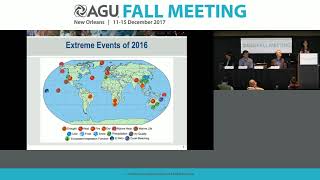
Explaining Extreme Weather Events of 2016 from a Climate Perspective
Climate scientists discuss new methods for attributing extreme weather events to natural and human causes, presenting 29 studies on various global phenomena from the Bulletin of the American Meteorological Society's annual collection.
Assessing Flood Risk in the U.S. - Climate Change Impact on Coastal and Inland Communities
Experts discuss new flood risk estimates, sea level rise impacts on infrastructure, and community relocation strategies in response to climate-driven flooding across the United States.
Climate Science Program and Strategic Planning - Agency Lecture
Explore US Climate Science Program's strategic plan, research priorities, and assessment processes with insights on satellite observations and climate modeling.
History of Global Warming - Stephen Schneider Global Environmental Change Lecture
Comprehensive exploration of global warming's historical development, examining key scientific discoveries, policy milestones, and societal impacts shaping our understanding of climate change.
Cultural Politics of Climate Change
Explore the cultural dimensions and public engagement strategies of climate change, examining global citizen involvement, communication models, and reframing approaches.
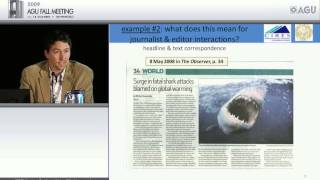
Cultural Politics of Climate Change
Explore the cultural and political dimensions of climate change discourse, examining media representation, public perception, and policy implications.
Cultural Politics of Climate Change
Explore the complex interplay between culture, politics, and climate change discourse, examining how societal factors shape public understanding and policy responses.
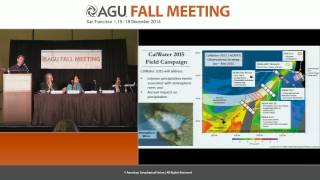
Refilling California's Reservoirs - Fall Meeting 2014 Press Conference
Explore strategies for replenishing California's water reservoirs amid drought conditions, examining innovative solutions and their potential impacts on the state's water security.
Union Agency Lecture - Climate Change, Data Transparency, and Scientific Integrity
Explore climate change, data transparency, and scientific integrity with Sally Jewell's insights on government agencies, environmental policies, and engaging future generations.
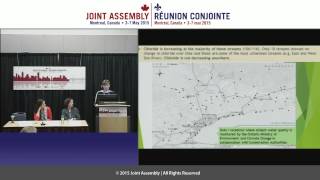
Ontario Water Contamination Study - AGU Joint Assembly 2015
Explore water contamination issues in Ontario, examining causes, impacts, and potential solutions to safeguard public health and environmental integrity.
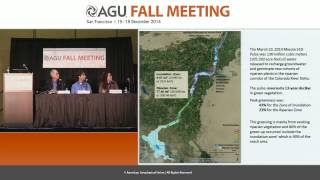
Greening the Colorado River Delta
Explore the ecological restoration efforts in the Colorado River Delta, examining the impact of water releases and conservation initiatives on this vital ecosystem.
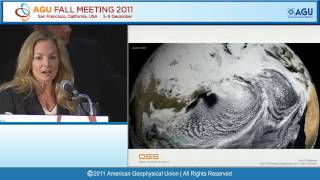
Effectively Communicating Climate Science - How to Address Related Issues - Part 2
Explore strategies for effectively communicating climate science and addressing related issues in this comprehensive session from the AGU Fall Meeting 2011.
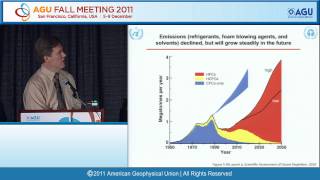
The Recent Findings of the Scientific Assessment of Ozone Depletion 2010 and the World Avoided by the Montreal Protocol
Recent findings on ozone depletion and the impact of the Montreal Protocol, highlighting scientific assessments and the potential consequences averted by global action.
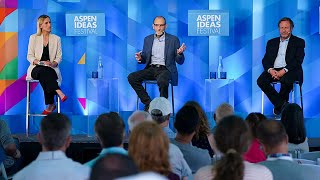
Is the Energy Transition Moving Too Fast?
Experts discuss balancing rapid clean energy transition with fossil fuel dependence, examining climate science urgency and potential unintended consequences in developing nations.
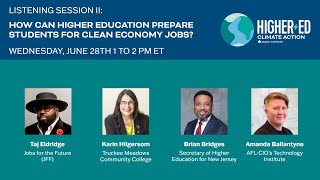
Higher Ed Climate Action Listening Session - Federal Investments and Workforce Development
Virtual listening session exploring federal investments, innovation, and equitable skills training for clean energy jobs, focusing on higher education's role in preparing a diverse workforce for the new economy.
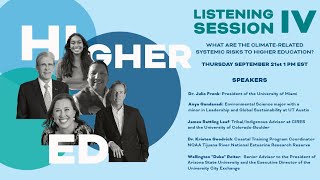
Higher Ed Climate Action: Addressing Climate Risks and Student Well-being - Session 4
Exploring climate change impacts on higher education: extreme weather risks, student well-being, and institutional resilience strategies for effective anticipation, mitigation, and adaptation.
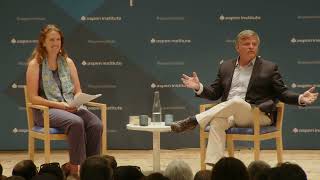
Silent Spring Revolution - The Environment from JFK to Joe Biden
Explore the rise of environmental activism from 1960-1973, key figures, and lessons for today's climate challenges with historian Douglas Brinkley in conversation with ACES educator Denali Barron.

The Next 100 Years of the Colorado River - Water Management Challenges and Solutions
Experts discuss challenges and potential solutions for the Colorado River's future, addressing drought, population growth, and stakeholder needs in the American West.
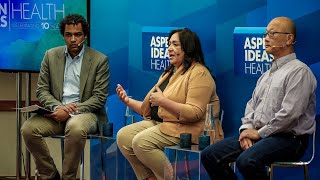
Incorporating Equity into Climate Change Strategies
Explore strategies to address climate change impacts on vulnerable populations, focusing on health equity, structural racism, and community engagement to minimize disproportionate effects.
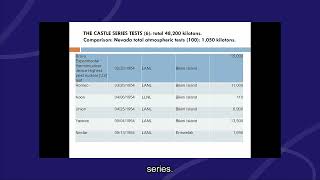
Environmental and Human Impacts of Nuclear Weapon Testing
Explore the profound environmental and human consequences of nuclear weapon testing, examining long-term effects and global implications for health, ecosystems, and international relations.