Civil - Water and Wastewater Engineering
Comprehensive exploration of water and wastewater engineering, covering treatment processes, microbiology, reactor analysis, and distribution systems for both urban and industrial applications.

Introduction to Civil Engineering Profession
The course introduces the civil engineering profession and the degree programme to first year students and prospective students. The different disciplines of civil engineering are briefly e xplained, along with the pre-requisites, scope and opportunities.
Introduction to Environmental Engineering and Science
Explore sustainability, ecology, and environmental systems through engineering principles, covering water, waste, air pollution, and global challenges.
Stanford Seminar - Environmental Engineering and Water Quality
Explore environmental engineering and water quality challenges, focusing on innovative solutions to climate-related issues through an engineering lens.
Environmental Engineering and Water Quality
Explore environmental engineering and water quality challenges, focusing on climate change impacts and innovative solutions for sustainable water management and treatment.
Carbon Capture and Storage: Principles, Processes, and Global Developments
Explore carbon capture technology, its importance, processes, risks, and global developments in this comprehensive lecture by Stanford professor Lynn Orr.
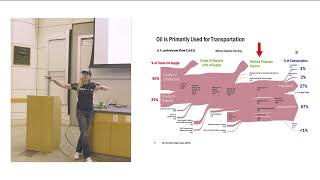
Oil: History, Significance, Markets, and Production Processes
Comprehensive exploration of oil industry: history, markets, extraction methods, transportation, and refining processes. Enhances energy literacy for informed decision-making on sustainability and climate issues.
Environmental Geotechnics
Explore the intersection of environmental science and geotechnical engineering through comprehensive weekly lectures, covering key concepts and applications in this specialized field.
Accelerating Clean Energy Transition and Why it Matters
Explore energy's impact on climate and society, learn to think critically about energy use, and discover ways to contribute to sustainability efforts with environmental engineering expert Diana Gragg.

Biofuels: Types, Production, and Environmental Impact - Lecture
Explore biofuels: ethanol and biodiesel production, incentives, and standards. Gain insights into renewable energy alternatives and their environmental impact.
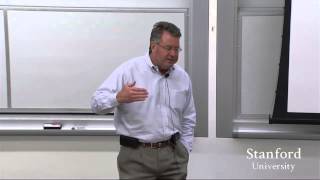
Stanford Seminar - Large-Scale Sustainable Utilization of Carbon Dioxide
Explore innovative approaches to large-scale carbon dioxide utilization, focusing on sustainable solutions and engineering interventions to address climate change challenges.
Embrace the Future: Harnessing Water for Circular Economies
Explore sustainable water management across industries, converting used water into valuable resources. Gain insights into innovative technologies driving sustainability and profitability in circular economies.
Water Security Series: Gender Equality in Water Management
Explore gender equality in water security, examining its impact on environmental engineering, international development, and corporate responsibility. Gain insights from diverse perspectives and practical solutions.
Science Dean's Lecture - Cleaning up With Science
Explore innovative scientific solutions for environmental challenges, from invasive species control to urban water management and geoengineering, in this thought-provoking lecture.
Geoenvironmental Engineering - Landfills, Slurry Ponds & Contaminated Sites
Comprehensive exploration of geoenvironmental engineering, covering landfill design, waste management, contamination control, and slurry disposal. Focuses on practical applications and environmental protection strategies.
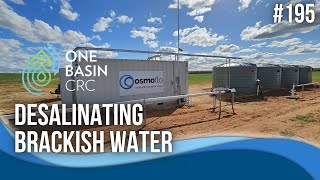
Desalinating Brackish Water for Agriculture - Challenges and Opportunities
Explore brackish water desalination for agriculture: groundwater salinity, brine management, implementation considerations, and drought resilience. Learn about demonstration plants and practical aspects of desalination sites.
General Microbiology
Comprehensive exploration of food and water microbiology, covering processing, safety, analysis, and treatment, plus industrial applications and key bacterial classifications.
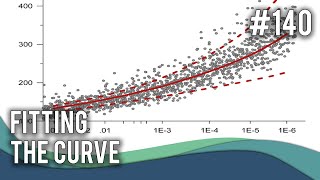
Fitting the Curve
Explore flood frequency analysis techniques, curve fitting approaches, and software tools for managing uncertainty in rainfall and runoff estimates. Learn to interpret results and consider climate change impacts.
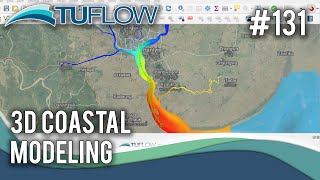
3D Coastal Modelling
Explore 3D coastal modelling approaches, including ocean circulation, model setup, result visualization, and real-world challenges. Learn to extend 2D models to 3D for comprehensive nearshore hydrodynamic analysis.
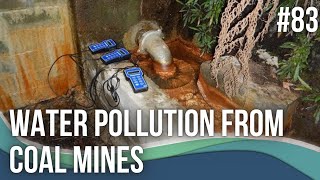
Water Pollution From Coal Mines
Explore water pollution challenges in coal mining, focusing on Sydney basin mines. Learn about treatment, disposal, and environmental impacts of active and closed mines.
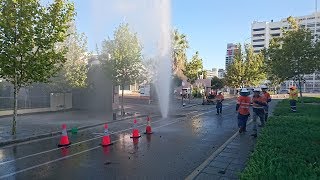
Preventing Pump Failure: Transient Pressure Analysis in Water Systems
Learn to prevent pump failures and pipe damage by analyzing transient pressures in water systems. Includes live demonstration of SURGE modeling software for irrigation and distribution networks.