
World War I Poetry in England - Modern Poetry
Explore WWI English poetry through analysis of works by Owen, Hardy, Thomas, Sassoon, and Rosenberg. Examine war rhetoric, propaganda, and the relationship between home front and battle front.
Don Quixote Part I - Chapters XXXVI-LII Analysis - Lecture 10
Explore key themes in Don Quixote's final chapters: character returns, insanity's role, law's arbitrariness, and the captive's tale, revealing Cervantes' innovative approach to literature and society.

Introduction to John Milton: Man, Poet, and Legend - Lecture 1
Explore John Milton's literary influence, examining his power as a poet and its impact on feminist writers, while analyzing the construction of divine might in Paradise Lost.
Paradise Lost: The Fall and Its Consequences - Books IX-X
Explore Milton's "Paradise Lost" Books IX-X, focusing on the Fall's impact on language, wandering, and gender dynamics. Gain insights into Milton's motivations and the poem's literary context.

Paradise Lost, Book I - Analysis and Context
Explore Milton's Paradise Lost Book I: radical poetics, monism, and theological insights. Analyze the invocation, historical context, and unique literary techniques in this epic poem.
Milton's "On the Morning of Christ's Nativity" - Analysis and Context
Explore Milton's "On the Morning of Christ's Nativity," examining its themes, structure, and significance in the poet's early career. Gain insights into Milton's poetic ambitions and his unique approach to the Nativity genre.

Analyzing Milton's Lycidas: Pastoral Framework and Prophetic Voice - Lecture 7
Explore Milton's "Lycidas" through intricate analysis, examining pastoral elements, Puritan influences, and the poem's structure, culminating in Milton's emergence as a prophetic voice in poetry.

Paradise Lost: Books XI-XII - Justification, Providence, and Free Will
Explore Milton's Paradise Lost finale, examining the expulsion from Eden, Milton's theology, and the interplay of providence and free will in this insightful literary analysis.
Samson Agonistes: Psycho-Sexual Analysis and Miltonic Heroism - Lecture 23
Explore Milton's "Samson Agonistes" through a psycho-sexual lens, examining themes of sexuality, violence, heroism, and misogyny in this intense poetic work.
Paradise Lost - Hell and Its Inhabitants in Books I and II - Lecture 10
Explore Milton's "Paradise Lost" through literary allusions, classical mythology, and themes of good vs. evil. Gain insights into the poet's inspiration and his depiction of hell in this analysis of Books I and II.
Don Quixote Part II: Political and Social Commentary - Chapters 22-35
Explore political themes in Don Quixote Part II, including geographic realism, social critique, and character psychology, through key episodes and literary devices used by Cervantes.
Don Quixote Part II - Political and Social Context in Cervantes' Novel
Análisis profundo de la segunda parte del Quijote, explorando su carácter político, urbano y barroco, así como su relación con la primera parte y el desarrollo del realismo literario.

Don Quixote, Part I: Chapters XXVII-XXXV - Narrative Mastery and Character Development
Explore narrative mastery in Don Quixote through intertwined stories, character development, and the role of memory, examining the theatricality of life and ethical implications in Cervantes' masterpiece.
Don Quixote - Literature, Reality, and Narrative Techniques in Chapters XXI-XXVI
Explore Cervantes' literary innovations in Don Quixote, examining narrative techniques, character development, and the blurring of reality and fiction in this groundbreaking novel.

English Literature of the Romantic Period, 1798-1832
Explore key themes, authors, and movements of English Romantic literature, including nature, imagination, politics, and aesthetics, through poetry, novels, and critical works.
History of English Literature
Comprehensive exploration of English literature from Anglo-Saxon era to postmodernism, covering major periods, authors, and literary movements through lectures on key works and critical analysis.
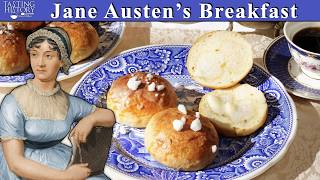
Breakfast in Jane Austen's England
Explore the breakfast customs of Jane Austen's era, uncovering traditional dishes and social norms that shaped morning meals in Regency England.
Blowing Up the Canon - Advocating for Diversity in Literature Education
Passionate plea for diversifying literary education, emphasizing inclusion of marginalized voices to foster empathy and broaden perspectives. Challenges traditional canon dominated by white male authors.
The Artistry and Scholarship of Shakespeare
Explore Shakespeare's enduring impact through expert insights on his artistry, characters, and relevance across generations. Delve into Hamlet's complexities and the Bard's timeless themes.
Virginia Woolf's "A Room of One's Own" - Session 1
Explore Virginia Woolf's seminal feminist text, examining its historical context and enduring relevance to gender equality and women's rights in literature and society.
Philip Sidney's An Apology for Poetry - Session 3
Explore Philip Sidney's defense of poetry, examining key arguments and literary concepts in this critical Renaissance text.