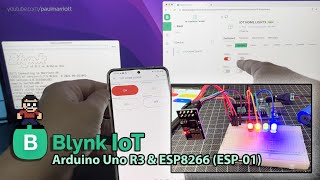
Blynk IoT App with Arduino Uno R3, ESP8266 ESP-01 Module, Blynk Cloud and 4 x LED - Tutorial
Learn to build a 4-LED IoT device using Arduino Uno, ESP8266, and Blynk IoT. Covers hardware setup, Blynk Cloud configuration, coding, and testing for a functional WiFi-controlled LED system.

Arduino UNO Smart Home Lighting Simulation with LEDs, HC-05 Bluetooth Module + mBlock 3 - Tutorial
Simulate smart home lighting using Arduino UNO, LEDs, and HC-05 Bluetooth module. Control lights remotely with mBlock 3 programming and a Bluetooth app on your smartphone.

De-risking Embedded Machine Learning Projects Using Novel Technologies
Explore novel technologies for successful embedded machine learning projects, addressing challenges and ensuring customer success through innovative design and engineering philosophies.

Imaging Radars - Learning for Enhanced Vision in Modern Radar Systems
Explore imaging radars and machine learning for enhanced object classification in traffic enforcement and autonomous driving applications using millimeter-wave technology.

Endpoint AI Revolution Driven by Standardized Computing Platform
Explore the Endpoint AI revolution with Arm's standardized computing platform, focusing on TinyML applications, robust software stacks, and specialized processors for efficient machine learning on IoT devices.

TinyML for Good: Ready to Take Off for a Big Impact
Explore tinyML's potential for positive impact through expert insights on vision, value, device recommendations, education, and involvement opportunities.

AutoML + TinyML with Edge Impulse's EON Tuner
Explore AutoML for TinyML with Edge Impulse's EON Tuner. Learn how to optimize embedded machine learning models within device constraints for innovative applications.

TinyML Talks Kenya - TinyML and the Developing World
Explore TinyML's potential in developing countries for medicine, agriculture, and conservation. Learn about low-cost, battery-powered machine learning applications adaptable to local needs.
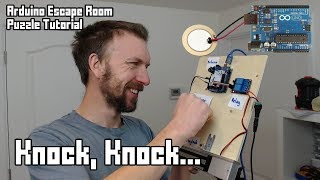
Knock, Knock! Arduino Escape Room Puzzle
Learn to create an Arduino-based escape room puzzle that unlocks with a secret knock pattern. Covers hardware setup, code implementation, and customizable features for an interactive, engaging experience.

The Polynomial Time Hierarchy: Graduate Complexity Lecture at CMU
Explore the Polynomial Time Hierarchy in computational complexity theory, covering definitions, examples, and key concepts like quantifying over circuits and alternation.

Circuits - Graduate Complexity Lecture 4 at CMU
Explore graduate-level computational complexity theory, focusing on circuits, complexity measures, and lower bounds in this advanced lecture from Carnegie Mellon University.
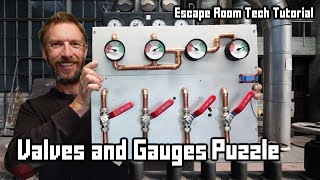
Escape Room Tech Puzzle Tutorial - Valves and Gauges
Learn to create an electronic escape room puzzle with valves and gauges using microprocessors. Covers hardware setup, wiring, and Arduino programming for an interactive, rewarding game experience.
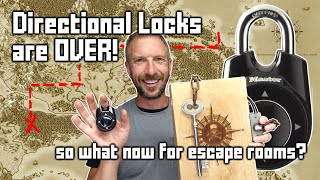
DIY Electronic Directional Lock for Escape Rooms - Arduino Tutorial
Learn to create custom electronic directional locks for escape rooms using Arduino, with demonstrations of themed designs and step-by-step instructions for wiring and coding.
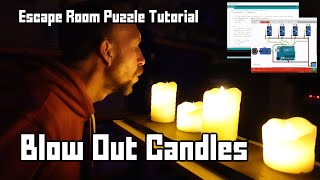
Arduino Escape Room Puzzle Tutorial - Blow Out Candles
Create an Arduino-based escape room puzzle where players blow out candles in sequence, using microphone sensors, LEDs, and sound effects. Learn hardware setup, wiring, and coding for this interactive medieval or spooky-themed challenge.
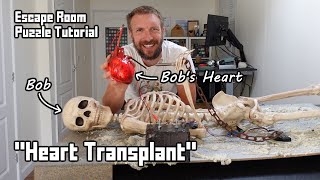
Heart Transplant Escape Room Puzzle Tutorial - RF Communication and Arduino
Learn to create an innovative "Heart Transplant" Escape Room puzzle using Arduino, RF communication, and LED animations. Master hardware setup, component wiring, and Arduino coding for a unique interactive experience.
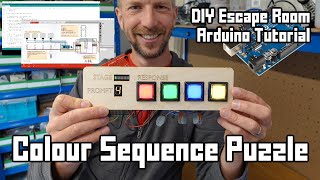
Arduino-Based Escape Room Puzzle: Creating a Colour Sequence Memory Game
Learn to create an Arduino-based escape room puzzle inspired by "Keep Talking and Nobody Explodes." Build a memory game with color-changing LEDs, buttons, and displays, perfect for challenging players' coordination and cooperation.
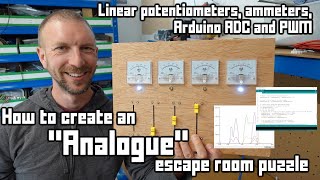
How to Create an Analog Arduino Escape Room Puzzle
Learn to create an Arduino-based escape room puzzle using analog inputs and outputs. Explore linear potentiometers, ammeters, ADC, and PWM to design unique player interactions and overcome technical challenges.

Perception and Collaboration in Robotics - Session 18
Explore cutting-edge research on perception and collaboration in robotics and AI, focusing on advancements in sensing, decision-making, and multi-agent systems.

Haptics - Session 7
Explore haptic technology and its applications in virtual reality, robotics, and human-computer interaction. Discover latest advancements and potential future developments in tactile feedback systems.

Tracking Techniques in Computer Vision - Session 25
Explore advanced tracking techniques and algorithms for object detection and motion analysis in computer vision applications.

Making Kubernetes Networking Ready for Service Providers
Explore solutions for Kubernetes networking challenges in telco environments, focusing on ingress/egress and security for 5G packet cores. Learn about unique requirements and design patterns for service providers.