
Medical Emergencies on Mount Everest - Treating Patients in Extreme Conditions
Microsurgeon recounts harrowing experiences treating patients during a deadly storm on Mount Everest, exploring extreme medicine and human resilience in challenging conditions.
Vomiting - How Does It Protect You?
Explore the protective function of vomiting, its reflex mechanism, and the role of the chemotactic trigger zone in the medulla. Learn about antiemetics and related gastrointestinal physiology.

Anthrax and Its Subtypes - A Disease Caused by Bacillus Anthracis - Microbiology
Explore Bacillus anthracis, its subtypes, and clinical manifestations. Learn to differentiate cutaneous, pulmonary, and gastrointestinal anthrax, as well as distinguish anthrax from anthracosis.

The Ultimate Biology Review - Last Night Review
Comprehensive biology review covering key concepts for medical exams. Ideal for last-minute preparation, offering concise explanations of essential topics for MCAT, NCLEX, USMLE, and other healthcare-related tests.
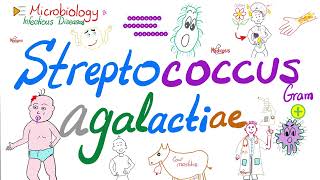
Streptococcus Agalactiae - Neonatal Meningitis, Sepsis, Pneumonia
Comprehensive overview of Streptococcus agalactiae, focusing on its role in neonatal infections like meningitis, sepsis, and pneumonia. Explores pathogenesis, diagnosis, and treatment strategies.
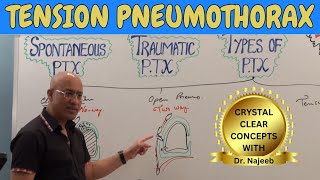
Tension Pneumothorax: Causes, Clinical Correlations, and Emergency Treatment
Comprehensive overview of tension pneumothorax, including causes, symptoms, and emergency treatment. Explains pathophysiology, clinical manifestations, and potential complications for medical professionals.
Ice Storms: How to Keep Yourself Out of the Emergency Room - Prime Time Alive 1/6/22
Learn essential strategies to prevent injuries during ice storms, with expert advice from an orthopedic surgeon on staying safe and avoiding emergency room visits.
Resuscitation of Life-Threatening Overdoses
Learn emergency medicine techniques for resuscitating patients with life-threatening drug overdoses, focusing on assessment, treatment, and management strategies.
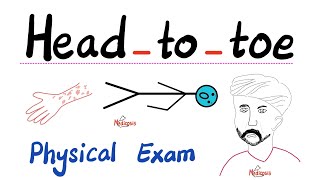
Head-to-Toe Physical Examination in Emergency Medicine and ePCR
Comprehensive guide to emergency physical examination techniques, covering vital signs, neurological assessment, and body systems evaluation for accurate patient assessment and care.

Nursing in Action: Afghanistan Flight Nursing
Flight nurse shares experiences from Afghanistan deployment, highlighting skills and knowledge applied outside hospital setting.
The New Adult ACLS/BLS Resuscitation Guidelines - February 17, 2016
Learn the latest Adult ACLS/BLS resuscitation guidelines, focusing on key updates and best practices for emergency medical response and patient care.
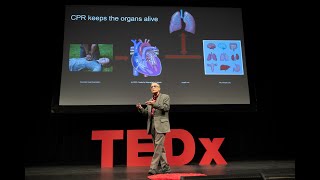
The Mysteries of CPR and What We Can Do to Improve It
Exploring CPR's low survival rates and advocating for machine learning to enhance its effectiveness. Dr. Nataraj presents new findings and calls for renewed research to optimize this life-saving technique.
Physical Examination in Emergency Medicine - Pupils, Capillary Refill, Neck Veins
Comprehensive guide to emergency physical exams, focusing on pupils, capillary refill, and neck veins. Essential skills for EMTs to assess patient condition quickly and accurately.
Emergency Medical Services Introduction - EMT, Paramedics, and Life Support Systems
Comprehensive overview of emergency medical services, covering key concepts, roles, and techniques in pre-hospital care. Ideal for healthcare professionals and aspiring EMS providers.

Achieving Earth-Independent Medical Operations for Space Exploration
Explore cutting-edge research and innovations driving healthcare in space, from remote diagnostics to surgical robotics, and the challenges of achieving autonomous medical operations beyond Earth.
Respiratory Emergencies: Assessment and Management of Distress, Failure, and Oxygenation
Comprehensive overview of respiratory emergencies, covering assessment, management, and key concepts in respiratory physiology for healthcare professionals.

Pitfalls in Managing Pain in the Emergency Department - The 2 View
Explore common pitfalls and effective strategies for managing pain in emergency departments with expert insights from Dr. Sergey M. Motov in this informative podcast episode.
Cardiotoxic Drugs of Abuse - The Heart Course
Explore the impact of cardiotoxic drugs on the heart, enhancing your ability to manage cardiovascular emergencies related to substance abuse in this expert-led medical education session.

Defining the STEMI - Case Review - The EM Cardiology Course
Expert guidance on diagnosing STEMI through case review, covering universal definition, key considerations, and essential takeaways for emergency medicine practitioners.
Adult Procedural Sedation - EMCert Module Mastery
Comprehensive guide on adult procedural sedation for emergency physicians. Covers key points, exam preparation, and clinical review. Includes access to EM QuickSearch™ for rapid information retrieval during exams.
The Inconsolably Crying Infant and BRUE - Mastering Pediatric Emergencies
Learn to manage inconsolably crying infants and Brief Resolved Unexplained Events (BRUE) in pediatric emergencies. Gain confidence in diagnosing and treating these challenging scenarios for improved patient care.