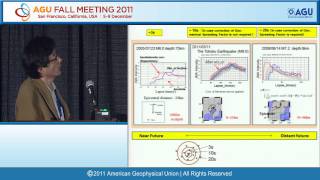
Earthquake Early Warning Capabilities and Delivery Around the World - Part 1
Explore global earthquake early warning systems, their capabilities, and delivery methods in this comprehensive session from the AGU Fall Meeting 2011.
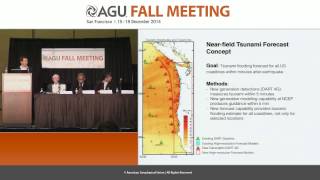
Advances in Tsunami Warning and Forecasting
Explore cutting-edge developments in tsunami prediction and alert systems, enhancing public safety and disaster preparedness through improved forecasting technologies.
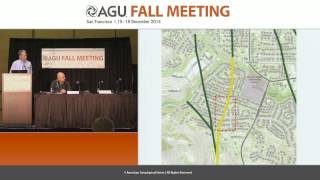
The 2014 South Napa Earthquake - Analysis and Impacts
Experts analyze the 2014 South Napa Earthquake, discussing its impact, geological implications, and lessons learned for future seismic preparedness and response strategies.
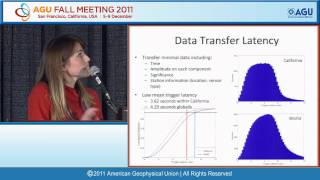
Earthquake Early Warning Capabilities and Delivery Around the World - Part 2
Explore global earthquake early warning systems, their capabilities, and delivery methods in this comprehensive session from the AGU Fall Meeting 2011.
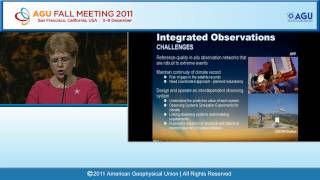
Predicting and Managing Extreme Events
Explore strategies for forecasting and mitigating extreme events with insights from Jane Lubchenco. Learn cutting-edge approaches to enhance resilience and preparedness in the face of environmental challenges.
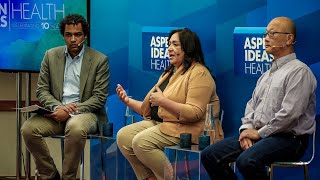
Incorporating Equity into Climate Change Strategies
Explore strategies to address climate change impacts on vulnerable populations, focusing on health equity, structural racism, and community engagement to minimize disproportionate effects.

Future of Sports - Protecting High School Athletes After Damar Hamlin
Exploring strategies to ensure athletic trainers for high school sports, addressing cardiac arrest risks, and discussing innovative partnerships to enhance athlete safety and health care.
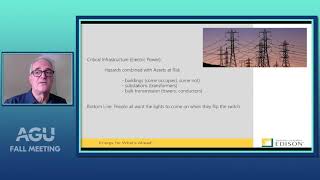
Implementing AGU's "Science for Solutions" to Address Societal Problems
Exploring strategies to apply scientific discoveries to societal challenges, focusing on collaboration with stakeholders and increasing diversity in geosciences for effective problem-solving.
Identifying and Mitigating Climate Change Risks - Panel Discussion
Explore climate change risks, assessment methods, and mitigation strategies across various sectors. Expert panel discusses global warming, emergency management, and economic impacts.
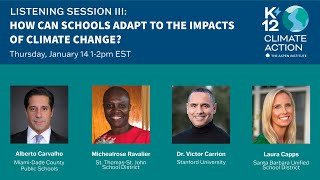
Adapting Schools to Climate Change Impacts - Listening Session III
Explore strategies for schools to adapt to climate change impacts, focusing on resilience, student well-being, and community engagement. Learn from experts about practical solutions and innovative approaches.
Urban Resilience and Emergency Response - The Climate Change Perspective
Explore urban resilience and emergency response strategies in the face of climate change, focusing on innovative approaches to enhance city preparedness and adaptability.
Deep Dive: Lessons from Natural Disasters - Rebuilding and Mitigating Future Catastrophes
Lessons from natural disasters: Rebuilding strategies, private sector's role in recovery, and mitigating future catastrophes. Insights from Puerto Rico's recovery efforts and climate change impacts.
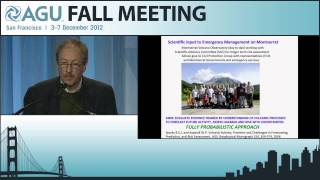
Communicating Geohazard Risk Assessments
Experts discuss operational earthquake forecasting, responsibility for earthquake-related suffering, and geohazard risk communication strategies, drawing insights from L'Aquila and other case studies.
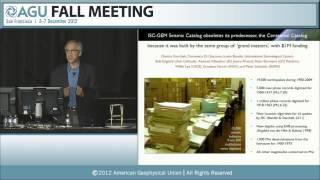
Defeating Earthquakes - Global Earthquake Model and Risk Mitigation
Exploring earthquake risk awareness, global impact, and mitigation strategies through the Global Earthquake Model initiative to reduce casualties and improve urban resilience worldwide.
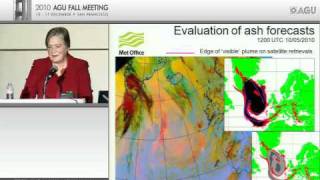
Society's Growing Vulnerability to Natural Hazards and Implications for Geophysics Research
Explore natural hazards' impact on society, geophysics research implications, and strategies for addressing vulnerabilities through case studies and scientific advancements.
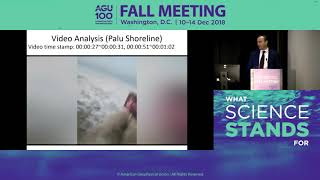
The Mysterious Tsunami that Destroyed Palu, Indonesia - New Findings
Scientists present new findings on the unexpected and devastating tsunami in Palu, Indonesia, following a 2018 earthquake. Insights from fieldwork, modeling, and investigations shed light on the tsunami's unusual generation and impact.
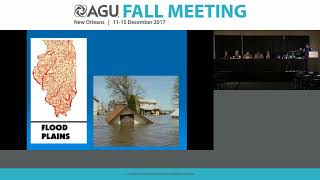
Mitigating Flood Risk and Climate Change Impacts Through Managed Retreat
Explore strategies for managed retreat to mitigate flood risks and climate change impacts, featuring insights from experts in community development, urban planning, and disaster response.
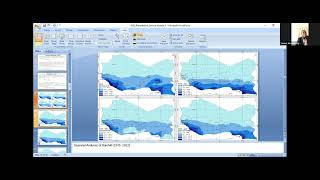
New Horizons in Extreme Event Science - 10.25.2023
Explore cutting-edge advancements in extreme event science, examining innovative approaches to understanding and predicting catastrophic natural phenomena.
Disaster Relief and Food Justice - Impact on Food Security and Community Resilience
Exploring the impact of disasters on food security, examining policy failures, and discussing innovative strategies to empower communities in rebuilding resilient food systems post-disaster.
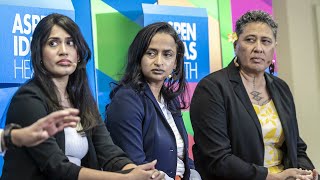
Climate Doctors: Frontline Medical Care for Climate Change
Exploring the health impacts of climate change and how medical professionals are adapting to recognize and respond to new disease patterns and environmental health challenges.

Surviving Sea Level Rise - Coastal Resilience Strategies
Explore strategies for coastal resilience and adapting to rising sea levels with expert Jill Gambill in this insightful interview by NPR's Regina G. Barber.