
Eight Crazy Ways to Foil Hardware Attacks - For All Budgets
Explore cost-effective strategies to protect embedded devices from hardware attacks. Learn about common vulnerabilities, defense mechanisms, and design decisions for optimal security in IoT and industrial control systems.
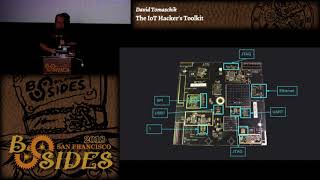
The IoT Hacker's Toolkit
Explore essential hardware and software tools for IoT security assessment, covering interfaces, analysis techniques, and skill-building for embedded device evaluation.

ECMO - Rehost Embedded Linux Kernels via Peripheral Transplantation
Innovative technique for rehosting embedded Linux kernels in QEMU using peripheral transplantation, enabling dynamic analysis of firmware images from diverse embedded devices.

HPE iLO5 Firmware Security - Go Home Cryptoprocessor, You're Drunk!
Explore vulnerabilities in HPE Gen10 servers' iLO5 management technology, focusing on the "silicon root of trust" and its implications for server security.
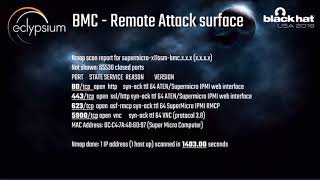
Remotely Attacking System Firmware
Explore remote attack vectors targeting system firmware, including networking and updates. Learn about exploiting UEFI vulnerabilities for installing persistent implants at scale.
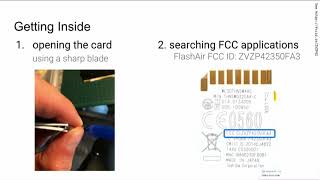
Reversing a Japanese Wireless SD Card - From Zero to Code Execution
Discover how to reverse engineer a wireless SD card's firmware using open-source tools, uncovering its architecture and operating system to achieve code execution.

Analyzing and Fuzzing for Qualcomm Hexagon Processor
Explore techniques for analyzing and fuzzing Qualcomm Hexagon processors, overcoming challenges in firmware analysis, emulation, and hardware-dependent targets for enhanced security research.

Identifying Multi-Binary Vulnerabilities in Embedded Firmware at Scale
Explore techniques for identifying vulnerabilities in embedded firmware, focusing on multi-binary analysis, dynamic and static approaches, and scalable solutions for IoT device security.
When IoT Attacks - Hacking a Linux-Powered Rifle
Explore the security vulnerabilities of a Linux-powered precision rifle, including reverse engineering, attack surfaces, and implications of network-connected firearms.
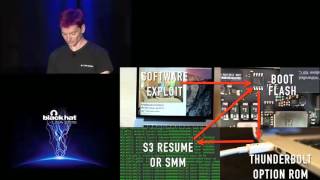
ThunderStrike 2 - Sith Strike
Explore firmware vulnerabilities in Mac systems, demonstrating software-only attacks and showcasing the potential of Mac firmware malware. Learn about shared vulnerabilities and case studies.
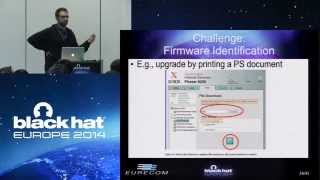
Firmware.RE - Firmware Unpacking, Analysis and Vulnerability-Discovery as a Service
Large-scale analysis of firmware images reveals vulnerabilities across embedded systems, highlighting security challenges and the need for improved tools and techniques in firmware analysis.
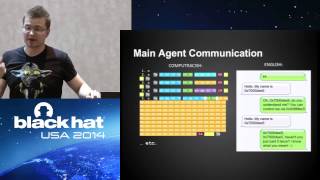
Computrace Backdoor Revisited
Exposición de vulnerabilidades en software antirrobo Computrace, demostrando fallos de seguridad y posibles ataques. Incluye análisis del protocolo, comportamiento sospechoso y métodos de detección/desactivación.

Never Trust Your Inputs - Causing Catastrophic Physical Consequences From The Sensor
Explore security vulnerabilities in analog-to-digital conversion for industrial control systems. Learn how attackers can manipulate sensor data to cause physical consequences while evading detection.

A Lightbulb Worm
Explore the potential for worms in smart light networks, focusing on Philips Hue's security measures and advanced techniques for hacking IoT devices.
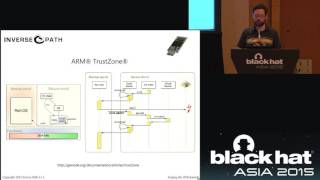
Forging the USB Armory
Explore the development of an open-source USB-sized computer for security applications, featuring advanced SoC technology, secure boot, and ARM TrustZone implementation.
Rust-based, Secure and Lightweight Container Runtime for Embedded Systems
Explore a Rust-based container runtime for embedded systems, offering enhanced security, faster startup, reduced memory usage, and fine-grained access control using seccomp notify.
Optimizing Embedded Hard Real-Time Code in C++
Techniques for optimizing C++ in embedded hard real-time systems, improving performance without hardware changes. Explores efficient coding practices and C++ facilities for faster execution and better maintainability.

Abusing Over-The-Air Client Provisioning
Uncovers vulnerabilities in major phone brands' network settings, allowing attackers to manipulate user data. Demonstrates attack flows and discusses vendor mitigations for these security risks.
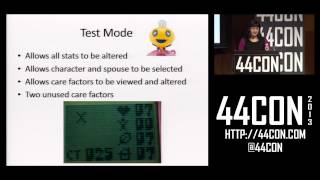
Even More Tamagotchis Were Harmed in the Making of This Presentation
Explore Tamagotchi hacking techniques, code execution, and microcontroller internals. Uncover virtual pet secrets and discover innovative projects using modified Tamagotchis in this engaging presentation.
Extracting an ELF From an ESP32
Detailed exploration of extracting ELF files from ESP32 firmware images, covering binary format analysis, conversion processes, and tools for reverse engineering IoT device firmware.

Ground Truth - 18 Vendors, 6000 Firmware Images, 2.7 Million Binaries, and a Flaw in the Linux-MIPS Stack
Presentation of data from analysis of 6000+ firmware images, revealing trends in software hardening and a critical flaw in Linux/MIPS stack affecting security across embedded devices.