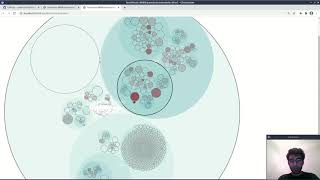
Analyze Code Quality Through Emacs - A Smart Forensics Approach
Explore smart forensics techniques for analyzing code quality in Emacs, enhancing your ability to detect and address software vulnerabilities efficiently.
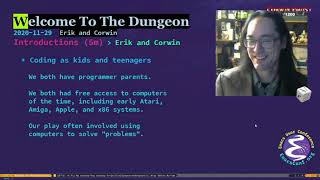
Welcome to the Dungeon
Explore the intersection of Emacs and roguelike games in this EmacsConf 2020 talk, delving into dungeon crawling mechanics and text-based adventure possibilities within the Emacs ecosystem.
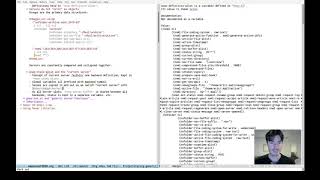
Object Oriented Code in the Gnus Newsreader
Explore object-oriented programming in Emacs Lisp through the Gnus newsreader, examining its implementation and discussing potential improvements to the codebase.

Maxima - A Computer Algebra System in Emacs
Explore Maxima, a powerful computer algebra system integrated with Emacs, enhancing mathematical computations and symbolic manipulations for programmers and researchers.
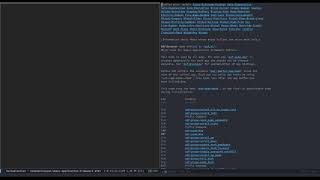
Extend Emacs to Modern GUI Applications with EAF
Discover how to integrate modern GUI applications into Emacs using EAF. Learn to enhance your Emacs experience with cutting-edge features and functionalities.

NonGNU ELPA - Questions
Richard Stallman addresses questions about NonGNU ELPA, discussing its implications for Emacs package distribution and free software principles in this EmacsConf 2020 session.

Closing Remarks
Closing remarks from EmacsConf 2020 organizers, reflecting on the event's success, community engagement, and future plans for Emacs enthusiasts.
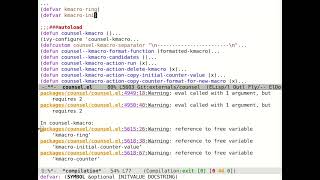
A Day in the Life of a Janitor
Explore the challenges of maintaining ELisp code, focusing on cleanup efforts necessitated by recent changes and the impact on Emacs development.
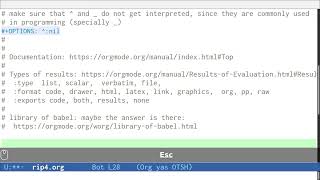
Using Org-mode to Teach Programming
Discover how to leverage Org-mode for creating interactive, up-to-date programming teaching materials across multiple languages, enhancing both instruction and learning experiences.
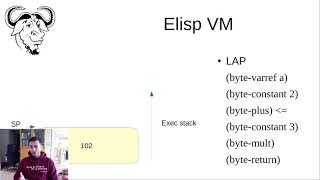
Emacs Lisp Native Compiler - Current Status and Future Developments
Explore the current status and future developments of Emacs Lisp native compiler, enhancing performance and functionality for Emacs users and developers.
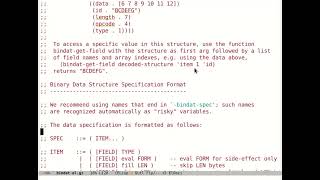
Turbo Bindat
Explore Emacs's BinDat library rewrite: improved efficiency, flexibility, and kitten-friendly binary data manipulation for niche packages like Websocket and EMMS.
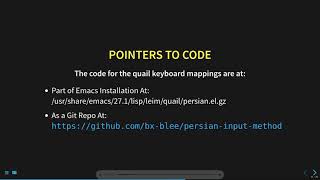
Perso-Arabic Input Methods and Making More Emacs Apps BIDI Aware
Demonstrating Emacs as a comprehensive environment for Perso-Arabic users, covering input methods, bidirectional support, and applications like email, calendars, and typesetting.

CLEDE - The Common Lisp Emacs Development Environment
Explore CLEDE, an innovative Common Lisp development environment for Emacs. Learn how it enhances productivity and streamlines Lisp programming workflows with powerful features and seamless integration.
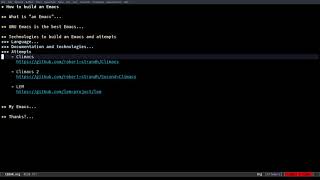
How to Build an Emacs
Discover the process of building Emacs from source code, exploring compilation techniques and customization options for this powerful text editor.

Emacs as Design Pattern Learning
Explore Emacs as a tool for managing complexity, implementing design patterns, and fostering a collaborative learning environment. Discover how its customizable nature models innovative approaches to knowledge and community.
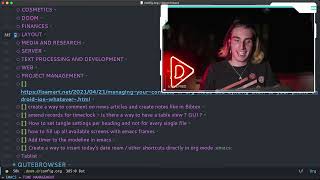
Emacs Journalism - Or Everything's a Nail if You Hit It with Emacs
Explore how Emacs can revolutionize journalism workflows, from literate configuration to collaborative writing with Org Mode and Pandoc, enhancing productivity and streamlining content creation processes.

Writing and Organizing Literature Notes for Scientific Writing
Explore efficient literature note-taking and organization techniques for scientific writing using Emacs tools like org-roam, ivy-bibtex, and zetteldesk.el to enhance research productivity.
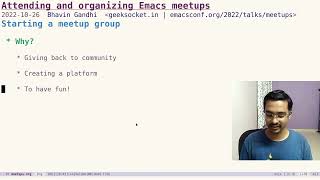
Attending and Organizing Emacs Meetups
Discover the benefits of Emacs meetups, learn how to find and join them, and get tips on organizing your own. Gain insights on making connections and enhancing your Emacs experience through community engagement.
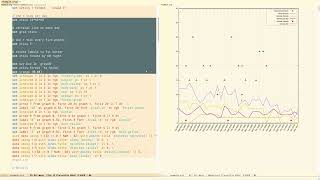
Health Data Journaling and Visualization with Org Mode and GNUplot
Learn to use Org Mode and GNUplot in Emacs for health data journaling and visualization. Explore techniques for daily tracking, data organization, and creating insightful charts to monitor personal health metrics.
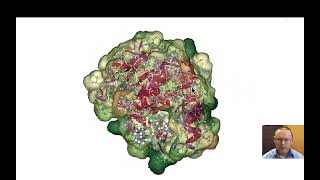
Edit Live Jupyter Notebook Cells with Emacs
Edit live Jupyter notebook cells with Emacs using GhostText and Atomic Chrome. Learn setup, supported browsers, and precautions. Includes demos for Python and Julia code editing.
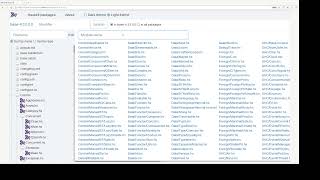
Haskell Code Exploration with Emacs
Explore Haskell code efficiently using Emacs with powerful tools like Haskell Code Explorer. Learn about monads, navigate declarations, find references, and leverage integrated help features for enhanced productivity.