Data Science Supporting Clinical Decision Making - What, Why, How?
Explore opportunities and challenges in using electronic health records for clinical decision support, focusing on natural language processing to transform clinical documentation into structured data.
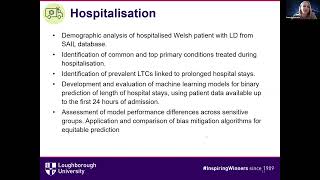
AI-Based Modeling of Electronic Health Records for Patients with Learning Disabilities
Explore AI-based modeling of electronic health records for individuals with learning disabilities, focusing on predicting hospital stays and analyzing long-term condition trajectories.
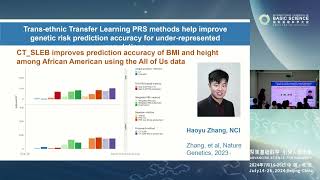
Empowering the Data Science Ecosystem for Whole Genome Sequencing Analysis Using ML Methods and Tools
Explore advanced methods for analyzing whole genome sequencing data using machine learning and ensemble techniques. Learn to leverage biobanks and electronic health records for powerful genetic insights.
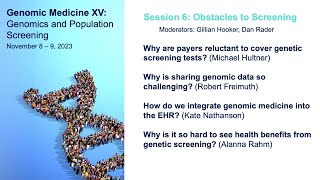
Obstacles to Genomic Medicine and Population Screening - Session 6
Explore challenges in genomic screening: payer reluctance, data sharing complexities, EHR integration, and demonstrating health benefits. Experts discuss obstacles and potential solutions.
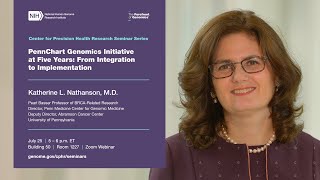
PennChart Genomics Initiative at Five Years: From Integration to Implementation
Explore the PennChart Genomics Initiative's progress in integrating and implementing genomics in healthcare, presented by renowned cancer genetics expert Dr. Katherine Nathanson.

SLC25A46 as a Novel Mitochondrial Regulator and Biomarker in Breast Cancer
Explore SLC25A46's role as a novel mitochondrial regulator and biomarker in breast cancer, focusing on its impact in triple-negative breast cancer and potential for targeted treatments.
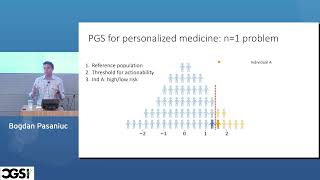
Personalized Genomic Medicine Using Large-Scale Biobanks Linked with Medical Records
Explore personalized genomic medicine using large-scale biobanks and medical records. Learn about leveraging genomic diversity for discovery and promoting precision health research in diverse populations.
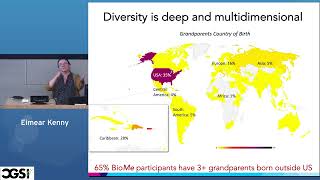
Population Genetics in an Era of Genomic Health
Explore population genetics' role in genomic health, focusing on electronic health records, personalized medicine, and genetic disease identification in specific populations.
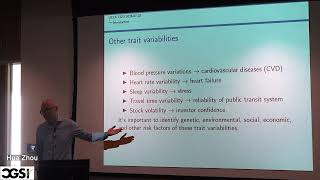
Statistical and Computational Algorithms for Analyzing Biobank Data
Explore statistical and computational algorithms for analyzing biobank data, focusing on robust estimation, longitudinal trajectories, and phenotyping disease progression in large-scale electronic health records.
Secure and Sustainable Software Engineering Framework for Healthcare Blockchain Applications
Explore how AI and blockchain technologies converge to revolutionize healthcare systems through a comprehensive framework addressing security, sustainability, and efficient data management in medical applications.
HealthLy App: Digital Solutions for Healthcare Data Capture and Patient Engagement
Discover how HealthLy app revolutionizes healthcare through digital therapeutics, comprehensive health data management, and real-world evidence collection to enhance patient outcomes and provider communication.
Performance Analysis of 12 AI Language Models for Clinical Decision Making in Healthcare
Explore the comparative analysis of 12 AI language models in clinical settings, examining their effectiveness in processing health records and performance against specialized medical systems.

Gender Inclusive Health Information System
Explore the development of inclusive healthcare information systems that accommodate diverse gender identities, focusing on data architecture and patient-centered design approaches.

Optimizing KVM Performance for Electronic Health Record Systems
Optimizing KVM for Electronic Health Record systems: Reducing speculation overheads, accelerating IPI delivery, and enhancing ecosystem components for improved performance and reliability.
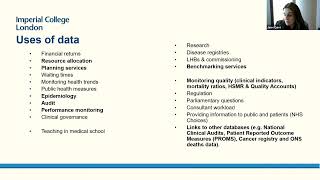
Using Routinely Collected Electronic Healthcare Record Data to Study Respiratory Disease
Explore methods for analyzing electronic healthcare records to gain insights into respiratory diseases, leveraging big data for improved patient outcomes and research.
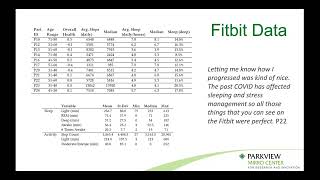
Charting the COVID Long Haul Experience - A Longitudinal Exploration of Symptoms, Activity, and Challenges
Explore a 3-month study on COVID Long Haul patients, revealing complex symptoms, challenges, and impacts on daily life. Gain insights into patient needs and potential design solutions.
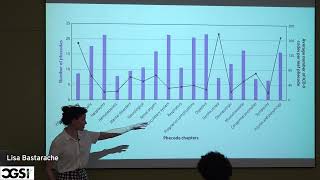
Fun with Phecodes - From PheWAS to PheRS
Explore Phecodes for electronic health record research, from PheWAS to PheRS. Learn applications, tools, and best practices for phenotype-genotype analysis and biobank data science.
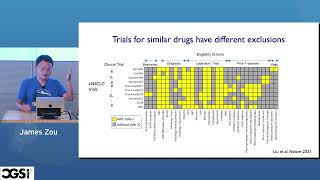
How to Perform In Silico Clinical Trials Using EHR
Learn to conduct in silico clinical trials using electronic health records, exploring innovative approaches to evaluate oncology trial eligibility criteria with real-world data and AI.
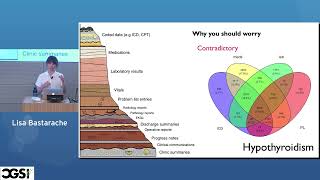
EHR Data Quality: Why You Should Worry and What You Can Do About It
Explore EHR data quality concerns and strategies for improvement. Learn to assess, validate, and enhance electronic health record data for more reliable research and clinical applications.
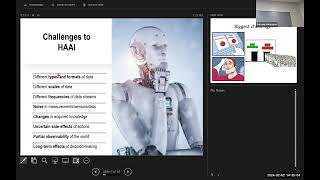
Enhancing Healthcare with AI-in-the-Loop
Explore AI's role in healthcare through rich data learning, human-AI collaboration, and expert advice integration. Discover applications in electronic health records, clinical studies, and surveys.
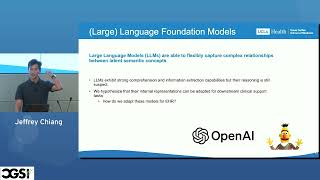
Towards Foundation Models for Electronic Health Records
Explore foundation models for Electronic Health Records, examining their potential and limitations in healthcare decision support and data analysis.