Open and Neutral Edge Computing Architecture on Heterogeneous Devices
Explore open, neutral edge computing architecture for heterogeneous devices, leveraging virtualization, Linux, containers, and EdgeX Foundry to build extensible, vendor-agnostic solutions.
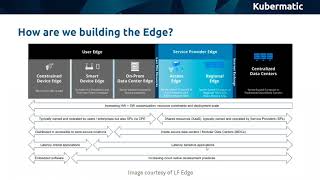
Edge Computing and Cloud Native Thinking - Benefits and Challenges
Explore edge computing's impact on the internet, its market opportunities, challenges, and the role of cloud native thinking in enabling distributed systems and 5G deployment.
The State of Open Source Networking and the Edge
Explore the latest developments in open source networking and edge computing, including updates on industry initiatives and major announcements from LF Networking and LF Edge.
Open Source Forum 2019 - End-to-End Layer Challenges in Edge Computing
Explore end-to-end IoT solutions, edge computing challenges, and innovative protocols in this insightful talk on open source technologies for connected devices.
EdgeX Foundry Overview and Progress - IoT Edge Computing Framework
Explore EdgeX Foundry's open IoT framework: interoperability, ecosystem growth, and real-world applications. Learn about recent developments, future plans, and how to contribute to this vendor-neutral project.
Centaurus - Next Generation Cloud for Edge and 5G
Explore the next-generation cloud architecture for edge computing and 5G networks, focusing on innovative solutions and technological advancements in distributed systems.
Cloud Native for Edge and Service Providers
Explore cloud-native technologies for edge computing and service providers, focusing on innovative solutions and best practices in this rapidly evolving field.
Deep Learning at the Edge
Explore edge computing for deep learning, focusing on architecture, constraints, computer vision, and management of edge components in various applications like wind turbine farms.
Architectures for Deep Edge Deployments in 5G Networks
Explore architectures for deep edge deployments in 5G, covering challenges, community releases, services, plugins, and disaggregation strategies for efficient network implementation.
Building Edge AI Stack and AI-as-a-Service in Cloud Native Way
Explore edge AI stack and AI-as-a-Service in cloud-native environments, focusing on KubeEdge architecture, ML offloading, and edge-cloud collaborative techniques for improved performance and data privacy.
Beyond the Cloud - Edge Computing and the Future of Data Processing
Exploring edge computing's role in transforming data analysis and connectivity, from IoT devices to cloud infrastructure, to meet the demands of our increasingly smart and connected world.
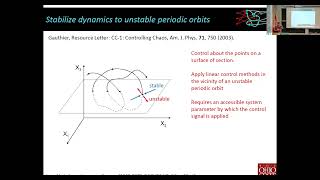
Controlling Chaos Using Edge Computing Hardware
Explore cutting-edge techniques for controlling chaos through edge computing hardware, presented by a leading expert from The Ohio State University.
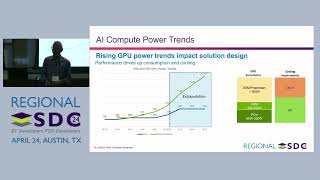
Technical Trends in AI Infrastructure for Developers - 2024
Explore the evolving landscape of AI infrastructure, from accelerators and storage to deployment models, focusing on technical trends and future solutions for developers working with AI workloads.

Programming with Computational Storage - Overview and APIs
Discover how to leverage Computational Storage APIs for near-data processing, optimizing resource usage and overcoming traditional CPU architecture limitations in cloud and edge computing applications.
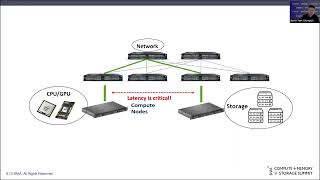
Efficiency of Data-Centric Computing: Integrating Compute and Storage Systems
Explore how data-centric computing and federated data processing optimize AI workloads by moving computation closer to storage, reducing latency and improving system efficiency for next-gen applications.
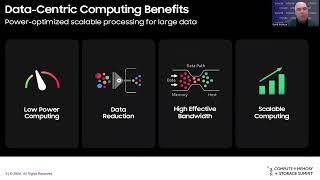
Compute, Memory, and Storage: Optimized Configurations for a New Era of Workloads
Explore modern infrastructure optimization strategies for cloud-to-edge applications, covering UCIe compute, CXL memory pooling, and advanced storage configurations for real-time decision-making requirements.
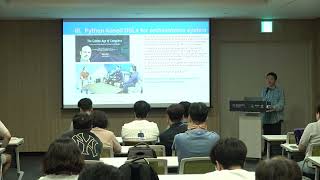
Beyond Kubernetes: Exploring Lightweight Orchestration Systems for Edge Computing
Explore the future of container orchestration beyond Kubernetes, examining lightweight alternatives for edge computing and emerging workloads like Wasm, eBPF, and AI using Python-based DSLs.
Building a K3s-Ready Operating System with Elemental Toolkit
Master elemental-toolkit to create customized, cloud-init driven Linux derivatives for VMs, bare metal, and edge devices, focusing on efficient OS image building with minimal footprint and cloud-native principles.
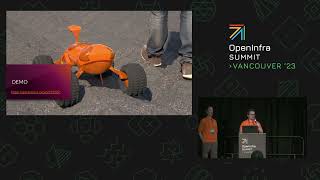
MicroCeph: Introduction to Simplified Ceph Cluster Deployment and Management
Discover MicroCeph's simplified approach to deploying Ceph clusters, perfect for testing, home labs, and edge environments, with emphasis on easy setup and scalability.
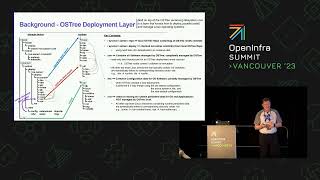
Using OSTree Atomic Updates to Reduce Outage Times in StarlingX Cloud Upgrades
Discover how OSTree enables atomic upgrades and reduces outage times in Linux-based systems, focusing on filesystem management, pre-deployment installations, and efficient root filesystem updates through hardlinks.

EfficientML.AI - Introduction to Efficient Machine Learning
Master efficient machine learning techniques and optimization strategies for deploying ML models in resource-constrained environments, focusing on practical implementation methods.