NOAA 2022 Arctic Report Card - Climate Change Impacts in the Arctic
Experts discuss the 2022 NOAA Arctic Report Card, highlighting climate change impacts on the Arctic region, including new findings on precipitation, shipping trends, and effects on Indigenous communities.
Tonga Volcano Eruption - One Year Later: New Research Findings
Experts discuss latest findings on the 2022 Hunga Volcano eruption, including atmospheric effects, generated storms, and future risks, providing insights into this record-breaking underwater explosion.
The Uncertain Future of the Great Lakes
Explore the challenges and uncertainties facing the Great Lakes ecosystem, including climate change impacts, water quality issues, and conservation efforts.
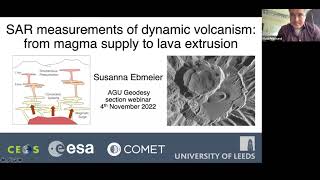
SAR Measurements of Dynamic Volcanism - From Magma Supply to Lava Extrusion
Explore advanced SAR techniques for monitoring volcanic activity, from deep magma movements to surface lava flows, enhancing our understanding of eruption dynamics and hazard assessment.
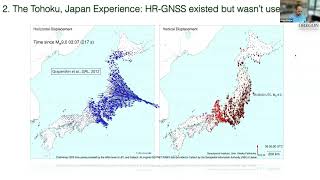
The Future of High-Rate GNSS in Earthquake Observing Systems
Explore advancements in high-rate GNSS technology for earthquake monitoring, its potential impact on observing systems, and future applications in seismology and geophysics.
Storied Careers: What You Didn't Learn in Geoscience Class
Exploring the evolution of Earth science education and its impact on climate change response, featuring insights from geologist and educator Michael Wysession on curriculum development and science standards.
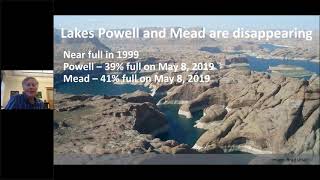
Drought and Water Security in the Western United States
Explore water scarcity challenges in the Western US and learn how scientists contribute to addressing this critical issue with insights from Dr. Jonathan Overpeck.
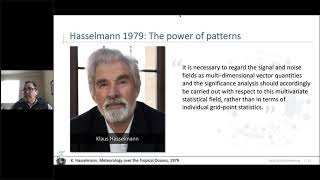
Atmospheric Sciences: Fingerprinting Climate and Hydrological Cycle - Part 8
Explore climate system fingerprinting and atmospheric hydrological cycle challenges with experts Ben Santer and Brian Soden in this AGU webinar on atmospheric sciences advancements and future directions.
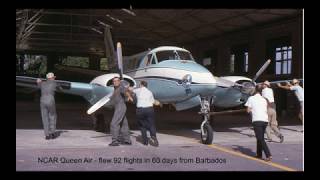
Atmospheric Sciences: From Past Research to Future Challenges - Part 3
Explore tropical convection and long-term climate change prediction with experts Ed Zipser and Reto Knutti, discussing research findings, challenges, and future prospects in atmospheric sciences.
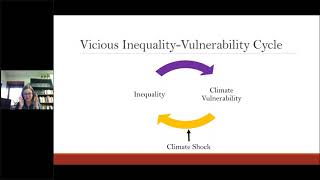
Climate Change and Inequality - Distributional Impacts and Dynamic Vulnerabilities
Explore the uneven impacts of climate change across regions and the factors driving differential vulnerability, with insights from Dr. Julie A. Silva's research on environmental inequality.
Solving for Climate - Earth's Next Top Climate Model
Explore mathematical modeling of climate transitions with Dr. Matthew Huber, focusing on unique aspects of anthropogenic climate change and its impact on future climate predictions.
Ocean Warming and Climate Models: Predicting Coastal Impacts
Explore ocean warming's impact on climate using advanced models. Learn how scientists simulate and predict changes in ocean currents and temperatures to develop mitigation strategies.
Careers in Atmospheric Science - Government Labs and Research Centers
Explore career opportunities in atmospheric science at government labs and research centers, focusing on roles, responsibilities, and pathways for aspiring scientists.
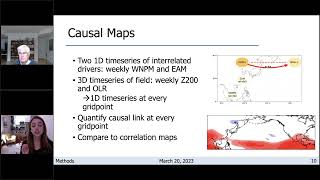
Atmospheric Sciences Early Career Seminar - Session 3
Explore cutting-edge research and career insights in atmospheric sciences through expert presentations and discussions for early-career professionals.
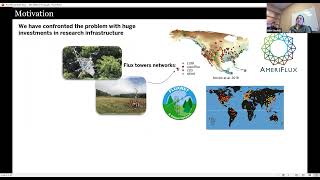
Global Environmental Change Early Career Webinar
Explore cutting-edge research in global environmental change with presentations from award-winning scientist Dr. Kim Novick and her lab team.
Discovering Water on Earth from Space - NASA's GRACE Mission
Explore NASA's Earth observation missions and their impact on hydrology. Learn about remote sensing techniques for studying water resources and climate change from space.
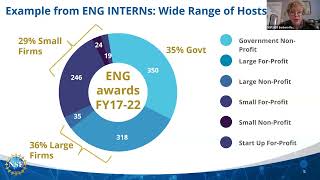
NSF GEO Internship Webinar
Learn about exciting geoscience internship opportunities through the NSF GEO program, including application tips and insights from past participants.
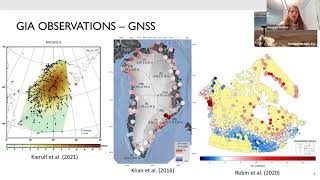
Models of Glacial Isostatic Adjustment and Their Use in Geodesy and Tectonics
Explore models of glacial isostatic adjustment and their applications in geodesy and tectonics, enhancing understanding of Earth's dynamic response to past ice sheet changes.
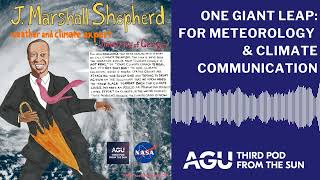
One Giant Leap - Advancing Meteorology and Climate Communication
Insights on climate communication from expert James Marshall Shepherd, addressing science delayism, diversity in science, and effective ways to discuss climate issues.
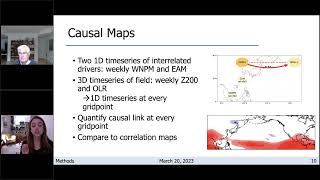
Atmospheric Sciences Early Career Seminar - Session 3
Explore cutting-edge research and career insights in atmospheric sciences through expert presentations and discussions for early-career professionals.
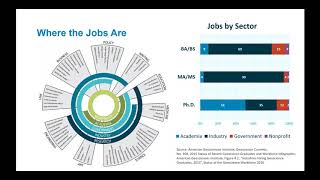
Introduction to Careers in the Geoscience Industry
Explore diverse geoscience industry careers, job types, and key skills with AGU's David Harwell. Gain insights into the value chain, product lifecycle, and company cultures in this informative webinar.