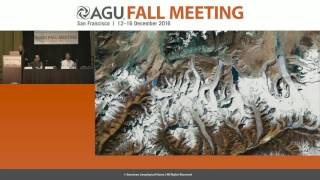
Attributing Mountain Glacier Retreat to Climate Change
New method for assessing glacier retreat and its link to climate change. Researchers present findings on individual glacier changes and their implications for freshwater sources and climate indicators.
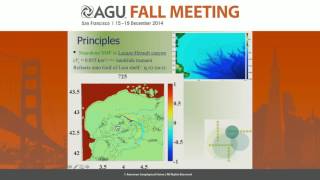
Development of Algorithms for Tsunami Detection by High Frequency Radar - Mediterranean Sea Case Studies
Explores algorithms for tsunami detection using High Frequency Radar, based on Mediterranean Sea simulations. Covers traditional systems, physics, detection methods, and new correlation-based algorithms.
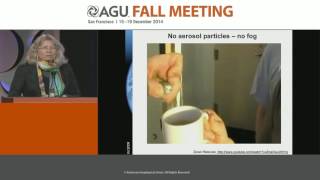
Grand Challenges in Understanding Clouds - From Ice Crystal Formation to Climate Influence
Explore cloud formation, ice crystal dynamics, and their climate impact. Discover recent advances in aerosol-cloud interactions and the challenges in predicting climate change.
Hydrothermal Fluids, Nebular Vapors and Silicate Melts Through Mineral Analysis
Explore mineral thermochemistry's insights into geological processes, from hydrothermal fluids in Ag-Pb-Zn ores to primordial solar nebula condensation and fassaitic pyroxenes in Ca-Al-rich inclusions.
Abrupt Climate Change - Views from Past, Present, and Future
Explore past, present, and future abrupt climate changes through ice core research and environmental systems, examining their economic, physical, and social impacts on human society.
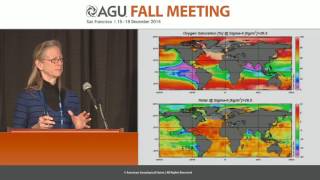
Nitrogen Loss Processes and Nitrous Oxide Turnover in Oceanic Oxygen Minimum Zones
Explores nitrogen loss in oceanic oxygen minimum zones, focusing on denitrification and anammox processes, their environmental controls, and implications for nitrous oxide production and ecosystem function.
Identifying Methane Sources in Groundwater - Quantifying Changes During Multiphase Transport
Explore methane sources in groundwater and analyze compositional changes during multiphase transport using stable isotope values and advanced sampling techniques.
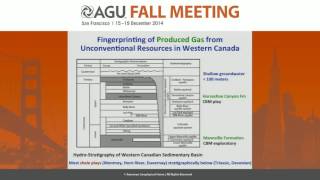
Groundwater Baseline Sampling Programs for Unconventional Gas Plays in Alberta, Canada
Explore groundwater monitoring programs in Alberta, Canada, designed to detect potential leaks from unconventional gas operations using isotope fingerprinting and other techniques.
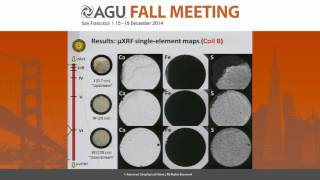
Effects of CO2-Induced Reaction on Transport Properties of Debonded Well Cement-Casing Interfaces
Explores CO₂-induced reactions on debonded well cement-casing interfaces through reactive flow-through experiments, examining permeability changes and microstructural effects for carbon storage applications.
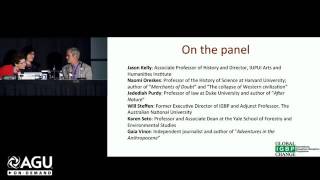
What's the Deal About the Anthropocene?
Explore the concept of the Anthropocene and its implications for Earth's geological history and future in this AGU Fall Meeting presentation, offering insights into human impact on the planet.
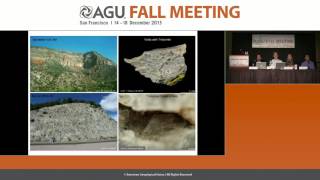
Latest Findings from NASA's Curiosity Mars Rover Mission - Fall 2015
NASA scientists discuss Curiosity rover's discovery of silica-rich rocks on Mount Sharp, comparing findings to other Martian sites and exploring implications for ancient wet environments on Mars.
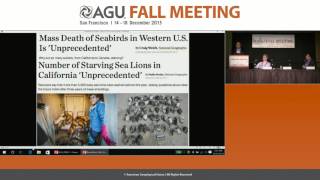
Ecosystem Impacts of Record Ocean Warming in the North Pacific - Fall 2015
Experts discuss "the blob," a warm water anomaly in the Northeast Pacific, its effects on marine ecosystems, unprecedented toxic algal blooms, and potential future impacts on ocean health and wildlife.
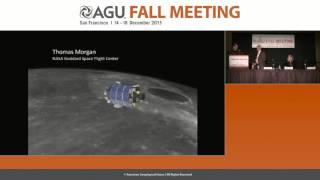
Fluctuations Within the Lunar Dust Cloud - LADEE Mission Findings
NASA researchers discuss observations from the LADEE mission, exploring the moon's exosphere and its interactions with the lunar surface, solar rays, and asteroids, providing insights for future planetary exploration.
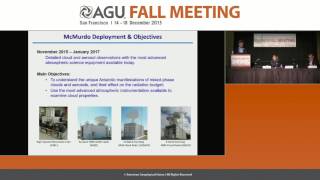
Comprehensive Meteorological Study of Antarctica - AWARE Project Overview
Comprehensive meteorological study of West Antarctica using advanced equipment to collect crucial data on climate change trends, cloud properties, and atmospheric conditions in this rapidly warming region.
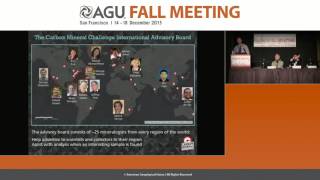
The Carbon Mineral Challenge: A Worldwide Hunt for New Carbon Minerals
Worldwide hunt for undiscovered carbon minerals engages amateur and professional mineralogists. Learn about carbon mineral evolution, potential discoveries, and how to participate in this unique international challenge.
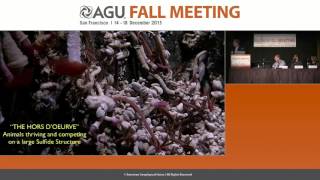
Real-Time Tracking of Underwater Volcanic Eruption at Axial Seamount - Discoveries and Insights
Scientists discuss real-time tracking of an underwater volcanic eruption, providing insights into submarine volcano-hydrothermal systems and showcasing the potential of remote monitoring in extreme deep-sea environments.
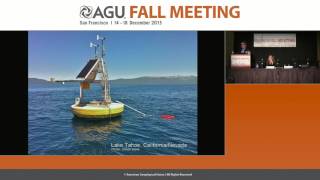
Changing Lake Temperatures on Six Continents - Global Study Findings
Global study reveals changing lake temperatures worldwide, discussing implications for freshwater supplies and ecosystems. Scientists present findings on warming rates, measurement methods, and impacts on wildlife and specific lakes.
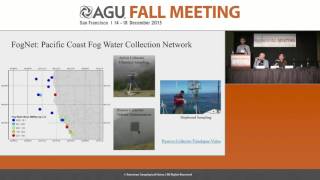
New Science of Fog - Trends and Impacts on Coastal Ecosystems
Explore new research on Pacific Coast fog, including climate change impacts and ocean-to-land compound transfer, with insights from leading experts in atmospheric and marine sciences.
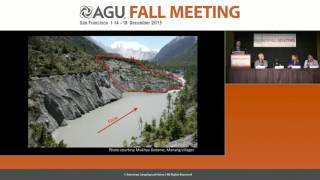
Future Himalayan Seismic Hazards - Lessons from the 2015 Gorkha Earthquake
Experts discuss the 2015 Gorkha earthquake's impact, future seismic risks in Nepal, and new findings on medieval quakes. Insights on predicting Himalayan landscape changes and regional hazards.
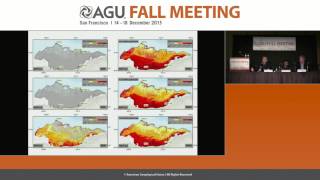
Alaska's Thawing Permafrost: Impacts and Future Projections
Experts discuss Alaska's thawing permafrost, unveiling new findings and projections. They explore impacts on ecology, infrastructure, and carbon release, introducing a permafrost forecast system.
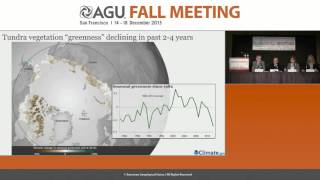
Arctic Report Card 2015 - Climate Change Impacts and Observations
Experts present the 10th Arctic Report Card, highlighting rapid warming, changes in temperatures, snow, sea ice, vegetation, and wildlife. Updates on fish, walruses, river discharge, and community monitoring included.