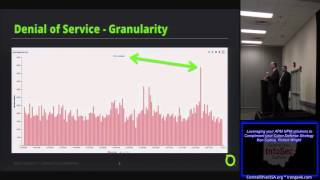
Leveraging Your APM NPM Solutions to Compliment Your Cyber Defense Strategy
Explore how APM and NPM solutions enhance cyber defense strategies, covering topics like denial of service, network flow, authentication, and cloud services.
Analyzing DNS Traffic for Malicious Activity Using Open Source Logging Tools
Learn to detect malicious DNS activity using open-source logging tools. Gain practical skills for network security and threat analysis.
Analyzing DNS Traffic for Malicious Activity Using Open Source Logging Tools
Explore DNS traffic analysis for malicious activity using open-source logging tools. Learn about log processing, indexing, and visualization to detect threats like DNS amplification and data exfiltration.
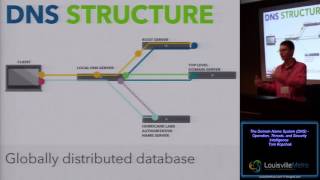
The Domain Name System - DNS Operation, Threats, and Security Intelligence
Explore DNS operation, threats, and security intelligence. Learn about amplification attacks, proper server configuration, domain hijacking prevention, and leveraging DNS data for threat intelligence and forensic investigations.
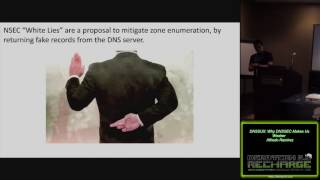
DNSSUX - Why DNSSEC Makes Us Weaker
Explore DNSSEC's vulnerabilities, zone enumeration risks, and alternative approaches to DNS security in this critical analysis of current protocols and future solutions.
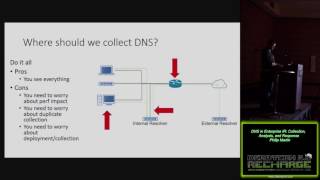
DNS in Enterprise IR Collection Analysis and Response
Explore DNS logging techniques for enterprise incident response, covering data collection, analysis, and response strategies to enhance network security and threat detection.
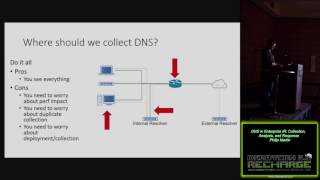
DNS in Enterprise IR Collection Analysis and Response
Explore DNS analysis techniques for enterprise incident response, covering collection tools, infrastructure, and common attack patterns. Learn to leverage RPZ for effective threat mitigation.
So You've Inherited a Security Department - Now What
Practical strategies for new security department leaders: asset management, information gathering, vulnerability assessment, and team building for effective cybersecurity operations.

Stories through Logging - It Was the Best of Logs, It Was the Worst of Logs
Explore effective logging practices for better storytelling and troubleshooting in IT systems. Learn to extract valuable insights from log files and improve system monitoring.
EDNS Client Subnet ECS DNS CDN Magic or Security
Explore EDNS Client Subnet (ECS) and its impact on DNS, CDNs, and security. Learn about the magic and potential risks of this technology in modern networking.
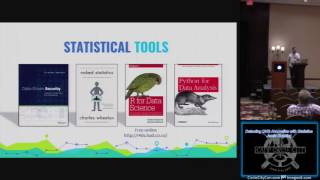
Detecting DNS Anomalies with Statistics
Explore statistical methods for detecting DNS anomalies, including letter analysis, unique queries, and outlier identification. Learn practical tools and techniques for enhancing network security.

PANDA Walking Loud in the Cloud - Logan Hicks
Explore PANDA, an open-source cloud networking solution, covering its objectives, features, and architecture. Learn about its performance stack, traffic flow, and global layout.

Wow It Really Is Always DNS - Becoming a Part of the DDoS Problem on Purpose
Explore DNS-based DDoS attacks, their impact, and prevention strategies. Learn about botnets, open resolvers, and legal implications in this comprehensive cybersecurity overview.
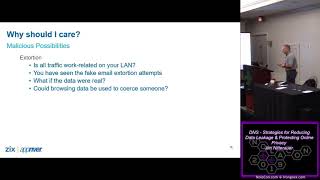
DNS Strategies for Reducing Data Leakage - Protecting Online Privacy
Explore DNS strategies to enhance online privacy and reduce data leakage, focusing on practical techniques for protecting personal information and digital footprints.
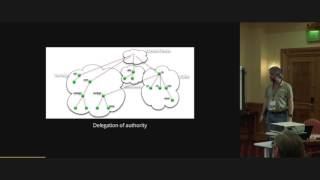
DNS at 30
Explore DNS evolution, DNSSEC, and emerging technologies in this comprehensive overview, covering authentication, privacy, and practical applications for developers.

It's DNS, Jim, but Not as We Know It
Explore recent DNS advancements, including privacy features like DoT and DoH, and their impact on developers and systems. Learn about the latest technologies and navigating DNS RFCs.
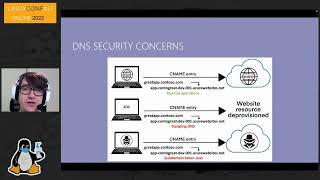
Avoiding DNS Pain
Explore DNS maturity assessment and management improvement techniques using tools like DNSControl to enhance security, resilience, and operational efficiency of this critical system.
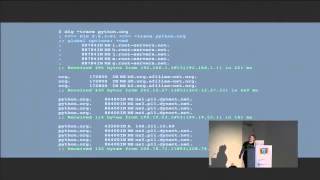
For Lack of a Better Name - DNS Explained
Explore DNS fundamentals, communication protocols, and Python integration. Learn how DNS works, its components, and how to interact with it using Python, including creating a simple DNS server.
Twisted Names - DNS Building Blocks for Python Programmers
Explore DNS components in Python with Twisted Names. Learn about EDNS0, DNSSEC, and DANE client support, and discover how to build innovative DNS servers and clients using event-driven networking.
CoreDNS for Hybrid and Multi-Cloud
Explore CoreDNS configurations for hybrid and multi-cloud environments, including cloud vendor integration, secure DNS protocols, and multi-cluster service discovery across clouds.

Failure Stories From the On-premise Bare-metal World
Real-world challenges and solutions for setting up large on-premise Kubernetes clusters, covering network design, traffic management, and common failure scenarios in bare-metal environments.