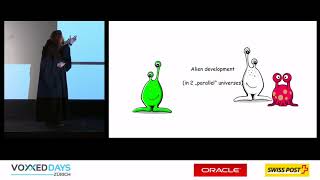
DROP DATABASE - Galactic Story
Explore why traditional databases may hinder system performance and design. Learn alternative approaches to data management, focusing on RAM/Heap storage for improved efficiency and programming joy.
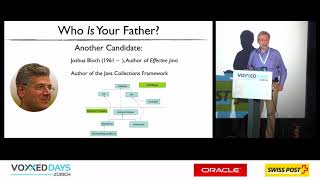
Not Your Father's Complexity - Performance in a New Machine Age
Explore memory layout's impact on Java program performance, challenging traditional complexity analysis and showcasing alternative collection implementations for optimized code execution.
One Size Fits All
Explore group dynamics and diversity beyond demographics to enhance team creativity and problem-solving in IT. Learn to leverage differences for better outcomes in complex challenges.
Troubleshooting & Debugging Production Applications in Kubernetes
Explore advanced techniques for troubleshooting and debugging Kubernetes applications in production, including centralized logging, tracing, and live debugging tools for microservices at scale.
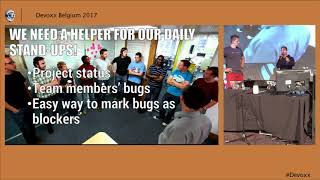
Amazon Alexa Skills vs Google Home Actions - The Big Java VUI Faceoff
Comparing Java implementations for Alexa Skills and Google Home Actions through live coding. Explore voice user interfaces for leading voice assistants and determine which platform offers better development experience.
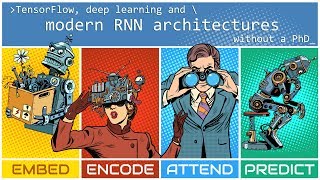
Tensorflow, Deep Learning and Modern RNN Architectures - Without a PhD
Explore modern RNN architectures and deep learning techniques for image recognition, natural language processing, and reinforcement learning. Gain practical tips and engineering best practices for applying these advanced technologies.
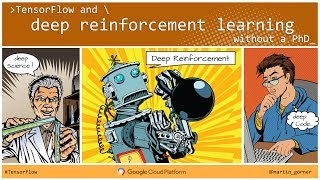
Tensorflow and Deep Reinforcement Learning, Without a PhD
Explore TensorFlow and deep reinforcement learning, covering neural network architectures, recent advances, and practical applications in image recognition, NLP, and AI game-playing.
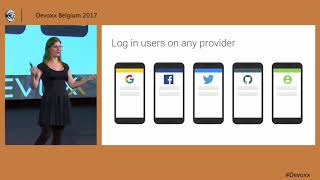
Zero to App - Live Coding an Android App on Firebase in Kotlin
Live coding demonstration of building an Android app using Firebase and Kotlin, showcasing real-time features, authentication, and integration with Google Cloud Platform APIs.
Collections Refueled
Explore recent enhancements to Java Collections Framework, focusing on Java 9 additions like JEP 269 and streams improvements. Get insights into potential future developments for Collections and Streams APIs.
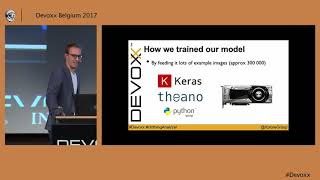
Image Recognition with Deep Learning - From Prototype to Production
Explore image recognition using deep learning, from prototype to production. Learn to develop and implement neural networks for clothing characteristic detection, with insights on training, deployment, and front-end integration.
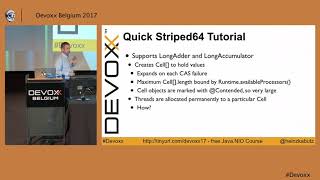
Safely Shoot Yourself in the Foot with Java 9
Explore Java 9's security features, new tools like VarHandles and jshell, and learn how to work around restrictions while understanding potential risks in future Java versions.
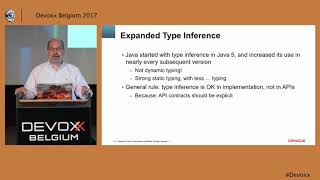
Java Language Futures - All Aboard Project Amber
Explore Project Amber's upcoming Java features with Brian Goetz, including expanded type inference, data classes, pattern matching, and improved serialization.
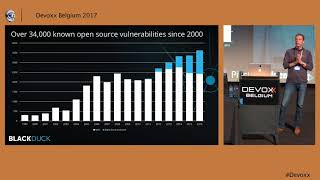
Application Security in the Age of Open Source
Explore open source software's impact on application security, including its benefits, risks, and best practices for protecting organizations against vulnerabilities and compliance issues.
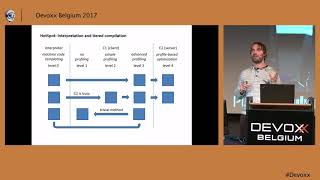
An Introduction to JVM Performance
Explore JVM performance optimization techniques, including just-in-time compilation, code instrumentation, and hardware interaction, to enhance Java program efficiency and dispel myths about its speed.
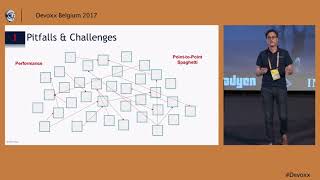
How to Build an Event Driven, Dynamically Reconfigurable Microservices Platform
Learn to create a dynamically reconfigurable, event-driven microservices platform using Apache Ignite and Docker, ensuring high availability and zero downtime for banking-grade applications.
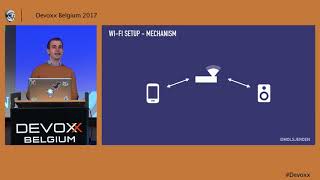
Deep into the IoT Trenches - How to Build a Connected Product
Comprehensive guide to building robust IoT apps: handling network failures, multi-device control, user management, and scalability. Packed with code examples and best practices from years of experience.
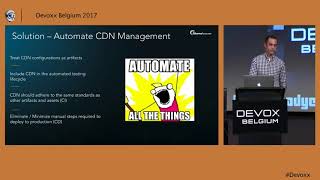
A Reference Architecture to Automate Content Delivery into Your CI CD Workflows
Strategies for integrating CDN automation early in development, focusing on CI/CD pipeline integration, faster feature leveraging, and best practices for improved web performance and scalability.
Democratizing Serverless - The New Open Source Fn Platform
Explore open-source serverless computing with Fn Project. Learn to write, deploy, and scale functions in multiple languages, understand platform implementation, and leverage Docker for flexibility.
The Anatomy of Java Vulnerabilities
Explore Java vulnerabilities, their impact, and defense strategies. Learn about reporting, managing, and fixing security issues to protect your code from cyber threats.
Building Event Driven Services with Apache Kafka and Kafka Streams
Learn to build event-driven services using Apache Kafka and Kafka Streams. Explore patterns for creating scalable, stateful services with distributed logs and transactional guarantees.
Troubleshooting & Debugging Production Microservices in Kubernetes
Explore advanced techniques for troubleshooting and debugging microservices in Kubernetes, leveraging Google's expertise and ecosystem tools to diagnose and resolve production issues at scale.